Driving Resilient Pediatric Immunization Programs Globally

Driving Resilient Pediatric Immunization Programs Globally

Driving Resilient Pediatric Immunization Programs Globally

News

Apr 25, 2023

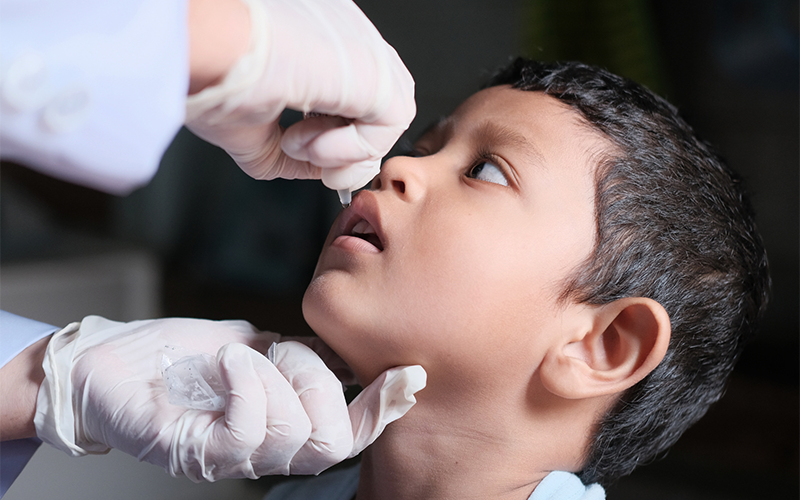
Vaccination is one of the most powerful and cost-effective tools in the history of public health, with important health, economic, and social benefits. Pediatric vaccinations help protect children and adults from serious, preventable, and sometimes life-threatening diseases and are a key contributor to supporting global health security.

Globally, vaccination coverage has stagnated at around 85 percent from 2011 to 2019, with some regions reaching excellent results. However, since the onset of the COVID-19 pandemic, global childhood vaccinations have experienced the largest sustained decline in 30 years. Globally, in 2021 alone, 25 million children missed out on one or more doses of diphtheria, tetanus and pertussis (DTP3) through routine immunization services. 18 million of the 25 million children did not receive a single dose of DTP during the year, the vast majority of whom live in low- and middle-income countries, with India, Nigeria, Indonesia, Ethiopia, and the Philippines recording the highest numbers. The figure is extremely alarming because DTP3 is considered a marker for immunization coverage within and across countries and broader healthcare access; if children are missing these vaccinations, they are probably also missing preventive care visits and crucial vaccinations for many other diseases.

Nearly 25 million children missed their first measles dose in 2021. Almost 15 million children did not receive their needed second dose. In 2021, compared to 2019, nearly 7 million more children missed the third dose of polio vaccine. Inadequate coverage levels have already resulted in avoidable outbreaks of measles and polio, underscoring the vital role of immunization in keeping children, adolescents, adults, and societies healthy.

Conflicts worldwide and related population displacement are placing additional pressure on health systems and exacerbating disruptions to routine immunization programs. To date, the war in Ukraine has led to at least 5.6 million refugees being hosted in European Union countries. This has resulted in an increased threat of vaccine-preventable disease outbreaks in the region.

We live in a world where health systems are constantly facing threats, and preventing the spread of vaccine-preventable diseases is a key component of global health security. Recent pressures on the health system and geopolitical conflicts underscore the need for resilient immunization programs that are able to withstand major shocks and disruptions, quickly adapt to changing circumstances, and maintain high vaccine uptake and acceptance over time. Prioritizing immunization as an essential health service and ensuring pediatric immunization programs are resilient in the face of current and new threats are of the utmost importance to ensuring populations are healthy.

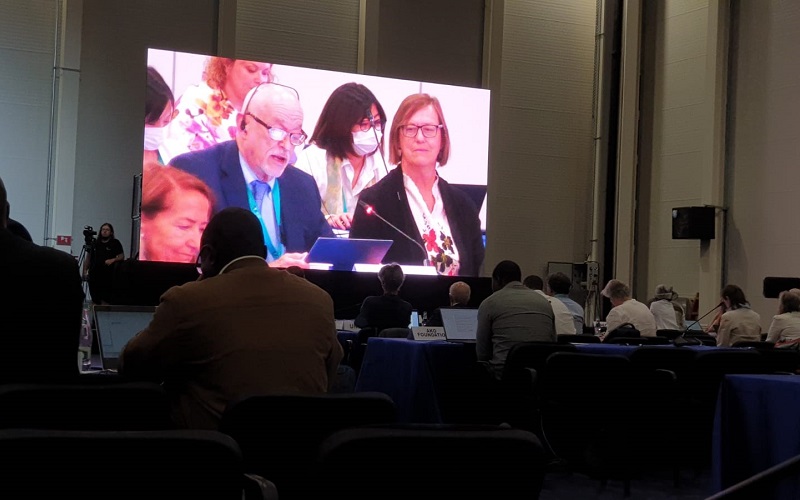
The WFPHA and the World Association for Infectious Diseases and Immunological Disorders organized a World Leadership Dialogue (WLD) session “Driving Resilient Pediatric Immunization Programs Globally” during the 17th World Congress on Public Health (WCPH), on May 02 to 06, 2023, to provide a platform to engage health leaders from governments, public health authorities, communities, and advocacy groups to discuss how to build resilient pediatric immunization systems through effective monitoring, communication, legislation, funding, and crisis-preparedness planning.

This WLD session is organized to highlight progress in pediatric vaccination and discuss the impact of COVID-19 and other external factors on vaccine coverage rates; to utilize real-life experiences from select countries to discuss barriers and opportunities to developing resilient immunization systems and ensuring health system strengthening; and to create a sense of urgency to drive policy decisions that support resilient immunization systems and concrete crisis preparedness plans globally to ensure efficient pediatric immunization programs.

WFPHA Stands in Solidarity with the Ugandan LGBT Community – Denounces the Ugandan Anti-Homosexuality Act (2023)

WFPHA Stands in Solidarity with the Ugandan LGBT Community – Denounces the Ugandan Anti-Homosexuality Act (2023)

WFPHA Stands in Solidarity with the Ugandan LGBT Community – Denounces the Ugandan Anti-Homosexuality Act (2023)

News

Apr 25, 2023

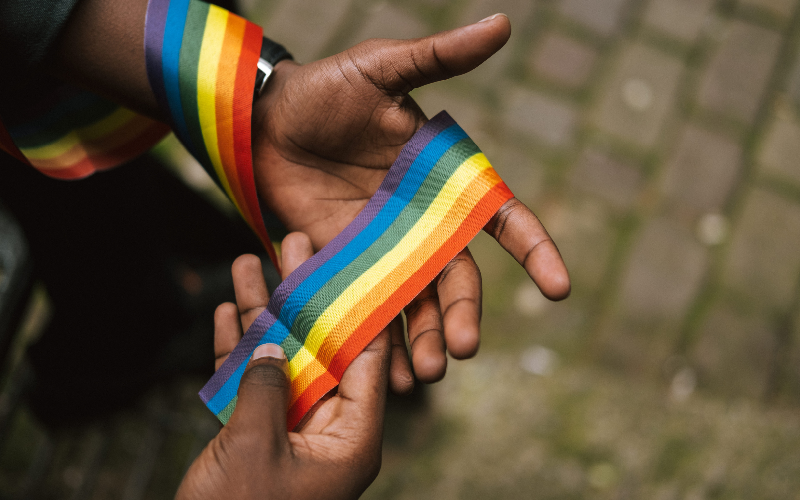
On March 21, 2023, the Ugandan Parliament passed the Anti-Homosexuality Act (2023). By criminalizing same-sex conduct, the Act criminalizes all lesbian, gay, bisexual, and transgender (LGBT) Ugandans, the provision of services to LGBT Ugandans, and the dissemination of information about the LGBT community. The Act also requires Ugandans to report any individual who is suspected of being LGBT and forbids the sheltering of a LGBT person. The Act also provides for the death penalty for the crime of ‘aggravated homosexuality’. By undermining access to medical services by at-risk populations, the Act also threatens to undermine Uganda’s proud record of HIV prevention and control built over three decades. President Museveni has agreed to assent to the Act after changes are made regarding ‘rehabilitation’.

LGBT persons have existed throughout human history and across cultures. Natural variations of sexual orientation and gender identity exist regardless of enacted laws and policies. Beyond the direct and obvious consequences that the law will have on the health and human rights of those prosecuted, it will also have broader detrimental public health impacts. Research has shown that structural anti-LGBT legal climates further promote hostility, violence, and harassment against LGBT individuals (Hatzenbuehler et al. 2019; Van der Star et al. 2020) as well as directly jeopardize a plethora of health outcomes across the entire community, including psychological distress (Van der Star et al. 2021), life satisfaction and wellbeing (Van der Star & Bränström, 2015; Pachankis & Bränström, 2018), risk for psychiatric disorders (Hatzenbuehler et al. 2010), and suicidal ideation (Pachankis et al. 2021).

In addition to these direct ramifications for LGBT health in Uganda, the negative public anti-LGBT discourse surrounding the Act may also instigate harassment and discrimination (Hatzenbuehler et al. 2019) as well as reduce psychological wellbeing (Frost & Fingerhut, 2016) among LGBT Ugandans and their families, friends, and close communities.

In 1995, Uganda acceded to the United Nations’ (UN) International Covenant on Civil and Political Rights (ICCPR; UN Treaty Collection, 2023). For some 30 years, the Covenant has been interpreted to include protections against discrimination based on sexual orientation, gender identity or expression, and sex characteristics (UN OHCHR, 2019). UN legal experts have stated that the imposition of the death penalty based on the Act is per se an arbitrary killing and a breach of article 6 of the ICCPR (UN OHCHR, 2023). An official Ugandan Parliamentary briefing on the Bill incorrectly asserted that international law does not apply because the Constitution of Uganda ‘specifically bars sexual acts between sexual minorities’, while it does not. As a matter of international law, no country’s national constitution or other laws can be assumed to override its international legal obligations.

The WFPHA calls on the Ugandan President, Parliament and Government to foster an inclusive and safe environment for all citizens, while safeguarding the human rights of each individual, irrespective of their sexual orientation or gender identity.

#WorldinTurmoil: Strengthening the Primary Care Safety Net: Lessons from the United States

#WorldinTurmoil: Strengthening the Primary Care Safety Net: Lessons from the United States

#WorldinTurmoil: Strengthening the Primary Care Safety Net: Lessons from the United States

News

Mar 20, 2023

In the United States, more than 27 million people do not have health insurance, and another 109 million adults are estimated to be underinsured. The United States healthcare system has been the subject of debate on several occasions within the federal government and the states. Despite legislative efforts to try and ensure that more people have access to healthcare, the situation remains precarious for a lot of people. Nevertheless, minorities are the most affected.

Through her article, Dr Julie S. Darnell, from Loyola University Chicago, explains how free and charitable clinics constitute a safety net for all those who do not have health insurance or are underinsured. And she hopes that not only the United States but also other countries reflect on opportunities and lessons that merit closer examination because they might stimulate new and better ways to organize, finance, and deliver care to the uninsured.

By clicking on the link below, you can read the article on the Croakey Health Media website.

This article is published as part of the #WorldinTurmoil series.

#WorldinTurmoil: Prioritize Primary Healthcare, Public Health, & Collaboration with Communities: Lessons from Costa Rica & the Pandemic

#WorldinTurmoil: Prioritize Primary Healthcare, Public Health, & Collaboration with Communities: Lessons from Costa Rica & the Pandemic

#WorldinTurmoil: Prioritize Primary Healthcare, Public Health, & Collaboration with Communities: Lessons from Costa Rica & the Pandemic

News

Apr 12, 2023

Few countries can be proud of having comprehensive primary healthcare. One of these countries is Costa Rica. Costa Rica is an example of political commitment and strong leadership. It is a country that has put public health as a priority, and the investments and efforts that the government has made over the last 25 years have borne fruit, especially during challenging times like the COVID-19 pandemic.

Dr María del Rocío Sáenz Madrigal, who was Minister of Health in Costa Rica from 2002 until 2006, is interviewed by Prof. Bettina Borisch, Executive Director of the WFPHA, and talks about how the pandemic showed and exacerbated inequalities, especially for women, in Latin America, measures implemented by Costa Rica, and what it takes to have a strong public health system.

By clicking on the link below, you can read the article on the Croakey Health Media website.

Watch the interview by clicking on the link below.

This article is published as part of the #WorldinTurmoil series.

WFPHA Attended Resumed 4th Meeting of the Intersessional Process for Considering SAICM and the Sound Management of Chemicals and Waste Beyond 2020

WFPHA Attended Resumed 4th Meeting of the Intersessional Process for Considering SAICM and the Sound Management of Chemicals and Waste Beyond 2020

WFPHA Attended Resumed 4th Meeting of the Intersessional Process for Considering SAICM and the Sound Management of Chemicals and Waste Beyond 2020

News

Mar 29, 2023

In 2006, the Strategic Approach to International Chemicals Management (SAICM) was adopted as a voluntary, multi-stakeholder, multi-sectoral policy framework to promote chemical safety around the world. The goal of the SAICM is to achieve the sound management of chemicals throughout their life cycle so that by the year 2020 chemicals are produced and used in ways that minimize significant adverse impacts on the environment and human health. As the SAICM effectively expired in 2020, governments have been examining progress towards that goal and discussing SAICM’s future beyond 2020.

During the fourth session of the Intersessional Process for Considering the SAICM and the Sound Management of Chemicals and Waste Beyond 2020 (IP4), which was held from August 29 to September 2, 2022, in Bucharest, Romania, delegates agreed to suspend IP4 and reconvene in early 2023. The Resumed Session of IP4 was held in Nairobi, Kenya, from February 27 to March 3, 2023.

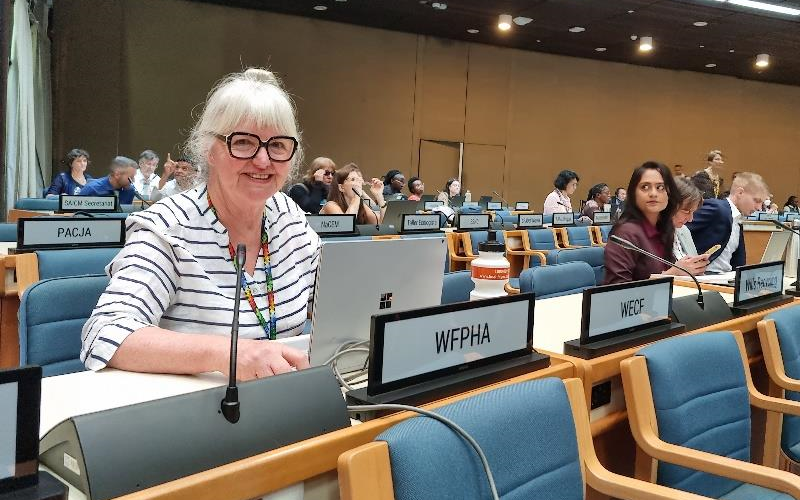
WFPHA attended the Resumed Session of IP4 along with approximately 500 delegates, representing governments, intergovernmental organizations, industry, civil society organizations, and special constituencies including children and youth. WFPHA was represented by four members of its Environmental Health Working Group (EHWG), including Liz Hanna (EHWG Chair), Peter Orris (EHWG Past Chair), Susan Wilburn (Health Care Without Harm), and Andrea Hannah Rother (the University of Cape Town).

The Resumed Session of IP4 made substantial progress on implementation mechanisms for the new instrument, capacity building, stocktaking, measurability and modalities for considering new issues of concern. The WFPHA delegation actively engaged in the plenary discussions and thematic groups to ensure the principles of human health protection remained central to the focus of the new instrument. The civil society collective presented powerful arguments and successfully interjected to retain ambitious targets and text to prioritize protection of human health and the environment.

Delegates also worked hard to elaborate ambitious targets for the instrument, and determine what issues should be the subject of draft resolutions to be adopted at the Fifth ICCM (ICCM5) to be held in Bonn, Germany, in September 2023. Several delegations have also signaled that they want ICCM5 to consider mandating the creation of a new alliance on pesticides or negotiations on an international code of conduct on chemicals.

Reaching consensus is a highly ambitious aim, especially for a lengthy instrument, and one that addresses national responsibilities to protect human health and the environment from harm. Key portions of the draft instrument required further work before they are put before ICCM5, so it was decided to suspend the IP again and reconvene two days before the start of ICCM5.

Given the contribution to the global health burden, both directly through exposure and indirectly through environmental contamination from poor chemical management, the re-engagement of the EHWG in the SAICM process reaffirmed the importance of consolidated public health expert involvement in global chemical management. Through the EHWG, the WFPHA intends to sustain its involvement.

WFPHA Position at the 4th Meeting of the Intersessional Process for Considering SAICM and the Sound Management of Chemicals and Waste Beyond 2020

WFPHA Position at the 4th Meeting of the Intersessional Process for Considering SAICM and the Sound Management of Chemicals and Waste Beyond 2020

WFPHA Position at the 4th Meeting of the Intersessional Process for Considering SAICM and the Sound Management of Chemicals and Waste Beyond 2020

News

Sep 28, 2022

Chemicals have been made and used throughout history. The industrial revolution drove an explosion in volumes produced. In the aftermath of World War II, chemical companies sought to maintain relevance and market share by reconfiguring wartime production to underpin a peacetime economy. This spurred a wealth of products for mass consumption of metals and plastics to varnishes and pesticides, while marketing campaigns secured their new consumer durables at the center of modern life.

The global chemical industry now contributes an estimated $5.7 trillion USD, or 7% of the world’s Gross Domestic Product (GDP), and supports 120 million jobs worldwide. Global chemicals sales are projected to double by 2030.

Today, chemicals are ubiquitous, in virtually all manufacturing processes, from textiles to automobiles and electronics. Despite delivering significant benefits in living standards, which are most apparent in industrialized societies, they also bring enormous costs. Chemical heavy production processes consume high levels of energy and increasingly scarce water resources, with adverse impacts on human health and the environment.

Chemicals and their wastes are now detectable in all ecosystems; nowhere on the planet is now free of chemical waste. Whereas the true health burden arising from exposures to chemicals is unknown, largely due to inadequate data collection, estimates suggest 16% of all deaths globally are attributable to pollution, which also accounted for economic losses totaling US$ 4∙6 trillion (6∙2% of global economic output) in 2015. Furthermore, 92% of pollution-related deaths, and the greatest burden of pollution’s economic losses, occur in low- and middle-income countries. Only 47% of countries have a poison center, with particular gaps in the African and Eastern Mediterranean regions and in the small island states in the Western Pacific region. Specialized poison centers provide expert advice and assist with the prevention, diagnosis, and management of poisonings.

Initially unregulated, chemical regulation emerged in the 1990s to face an enormous backlog in assessing their safety. The 1998 Rotterdam Convention sought to protect human health and the environment from potential harm from hazardous chemicals through shared responsibility and cooperative efforts among Parties and facilitating information exchange. The Organisation for Economic Co-operation and Development (OECD) commenced a coordinated effort to screen chemicals marketed in Europe and found that 71% of the sampled high-priority chemicals did not meet the minimum data requirements for health hazard screening set by the OECD chemicals program.

Existing multilateral environment agreements, such as the Basel, Rotterdam, Stockholm, or Minamata Conventions, only covered a fraction of the chemicals universe; for that reason, officials and experts continued to seek a vehicle for effective joint action on the many chemicals that existing multilateral environment agreements did not address.

First proposed by the United Nations Environment Programme’s (UNEP) in the mid-1990s, the World Summit on Sustainable Development (WSSD) in 2002 called for the creation of a Strategic Approach to International Chemicals Management (SAICM). Formally established in 2006, SAICM is a voluntary, multi-stakeholder, multi-sectoral policy framework to promote chemical safety around the world, to pursue the goal that, by the year 2020, chemicals would be used and produced in ways that minimize significant adverse effects on human health and the environment.

It became apparent to SAICM’s governing body, the International Conference on Chemicals Management (ICCM), in 2015 that SAICM would not fulfill its ambitious mandate of achieving the sound management of chemicals and waste by 2020. The intersessional process (IP) was established to construct a successor instrument that would fulfill the mission. The IP seeks to prepare recommendations on the future of SAICM and the sound management of chemicals and waste beyond 2020. During the years, a series of IP meetings were held in different places around the world. The fourth session of the Intersessional Process for Considering the SAICM and the Sound Management of Chemicals and Waste Beyond 2020 (IP4) was held from August 29 to September 2, 2022, in Bucharest, Romania.

Represented by Dr Peter Orris, Co-Chair of the WFPHA Environmental Health Working Group, WFPHA attended IP4.

IP4 was expected to develop recommendations to be considered at the Fifth ICCM (ICCM5) to be held in Bonn, Germany, on September 25 to 29, 2023. IP4 succeeded in developing a “zero draft” document that covers the vision, scope, principles, strategic objectives, targets, institutional arrangements, implementing measures, financial considerations, and procedures for designating “issues of concern” for special attention and concerted action. Delegates welcomed this “Co-Chairs’ Single Consolidated Text” in plenary on the final evening as a significant achievement. Delegates also agreed to suspend IP4 and reconvene in early 2023.

In the closing session, Dr Peter Orris spoke to express our commitment of continued participation in this process and our concern about the lack of centrality to the human health impacts of chemicals. “We pledge our continued involvement in this process and urge the movement of human health to the center of the emphasis in thought and speech. This is necessary, not purely as it is the center of most of our concerns, due to the burden of disease that unsafe practices have on the peoples of the world, but also as an absolute necessity to make this often-invisible burden, visible, to all humans, requiring effective remedial action. We have seen what such a knowledge has done to mobilize countries and populations to combat climate change, and more recently the COVID-19 pandemic. We must mobilize such a force for safe sustainable chemicals. This will require preventive human health evaluation of all chemicals brought into use for products or industrial processes.”