Treaty on the Prohibition of Nuclear Weapons: A Historic Step for Global Health, Humanitarian Protection, and Planetary Security

Treaty on the Prohibition of Nuclear Weapons: A Historic Step for Global Health, Humanitarian Protection, and Planetary Security

Treaty on the Prohibition of Nuclear Weapons: A Historic Step for Global Health, Humanitarian Protection, and Planetary Security

News

Jan 21, 2021

As the Treaty on the Prohibition of Nuclear Weapons (TPNW) officially enters into force, international health and humanitarian organizations mark this moment as a historic victory for nuclear disarmament, humanitarian protection, and planetary health. This milestone represents a decisive move toward preventing the catastrophic health and environmental consequences caused by nuclear weapons.

Organizations including International Physicians for the Prevention of Nuclear War (IPPNW), The International Committee of the Red Cross (ICRC), International Council of Nurses (ICN), International Federation of Medical Student Associations (IFMSA), and World Medical Association (WMA),  proudly welcome the world’s first comprehensive, legally binding international prohibition of nuclear weapons.

A Strong Treaty Built on Evidence, Expertise, and Humanitarian Imperatives

Our organizations have long contributed scientific evidence, health expertise, and field-based humanitarian experience to expose the devastating consequences of nuclear weapons. The reality is apparent:

  • Any nuclear weapons detonation would cause unspeakable human suffering, radiation exposure, and long-term environmental destruction.

  • No nation or health system has the capacity to provide adequate medical or humanitarian response.

  • Prevention is the only possible cure.

With the TPNW now part of international law, all ratifying states are legally bound by its provisions, establishing an essential new global standard against the world’s most destructive weapons.

Proven Success: How Prohibition Treaties Reduce Weapons and Save Lives

History shows that prohibition works. Treaties banning biological weapons, chemical weapons, antipersonnel landmines, and cluster munitions have all reduced use, stigmatized possession, and influenced even states that have not yet joined.

The TPNW is already shaping global behavior. Financial institutions worldwide, including banks, pension funds, and insurance companies, are increasingly divesting from nuclear weapons manufacturers, signaling a decisive shift toward ethical and sustainable investment.

Nuclear Weapons: The Greatest Immediate Threat to Human Health

The World Health Organization identified nuclear weapons as “the greatest immediate threat to the health and welfare of humankind” as early as 1983. Experts today warn that the risk of nuclear war is as high (or even higher) than during the Cold War.

Recent trends are deeply alarming:

  • Critical arms-control treaties have been dismantled.

  • Nuclear-armed states are investing heavily in new, more sophisticated weapons.

  • Cyber vulnerabilities threaten nuclear command-and-control systems.

  • Rising geopolitical tensions and climate-driven instability increase the risk of escalation.

Climate scientists warn that even a limited nuclear war, using less than 2% of the global arsenal, would inject massive amounts of smoke into the atmosphere, disrupt global climate patterns, and cause a global nuclear famine threatening billions of lives.

The TPNW: A Necessary Pathway to Eliminate Nuclear Weapons

The Treaty on the Prohibition of Nuclear Weapons offers a pragmatic and inclusive framework for the complete elimination of nuclear weapons, fulfilling the legal obligations of all states, whether nuclear-armed or not.

Supporting Survivors and Restoring Contaminated Environments

For the first time, an international agreement requires states to:

  • Assist victims of nuclear weapons use and testing

  • Remediate contaminated environments

  • Advance long-overdue humanitarian and environmental recovery

Even states not yet prepared to join the Treaty are encouraged to contribute to these critical efforts.

Why Global Cooperation Is Urgent Now

The COVID-19 pandemic and the accelerating climate crisis have underscored the necessity of rapid, evidence-driven international collaboration. Nuclear weapons are entirely human-made; preventing their use is within humanity’s control.

Ending nuclear weapons before they end humanity is a public health, humanitarian, and planetary imperative.

A Call to Action

The TPNW represents an extraordinary opportunity to build a safer, healthier, and more sustainable future. We urge all nations to:

  • Sign the Treaty

  • Ratify the Treaty

  • Fully implement its provisions

Eliminating nuclear weapons is essential to safeguarding global health, protecting future generations, and preserving life on Earth.

About Our Organizations

International Committee of the Red Cross (ICRC)

A neutral, impartial, and independent humanitarian organization dedicated to protecting the lives and dignity of victims of armed conflict and promoting international humanitarian law.

International Council of Nurses (ICN)

A federation of more than 130 national nurses’ associations representing over 20 million nurses worldwide.

International Federation of Medical Student Associations (IFMSA)

One of the world’s largest student-run organizations, representing 1.3 million medical students across 134 countries, is committed to global health leadership.

International Physicians for the Prevention of Nuclear War (IPPNW)

A federation of medical organizations in 63 countries dedicated to the eradication of nuclear weapons; recipient of the 1985 Nobel Peace Prize.

World Federation of Public Health Associations (WFPHA)

The global voice for public health, representing 130 national and regional associations and 5 million public health professionals.

World Medical Association (WMA)

An international organization representing physicians through 115 national associations and thousands of individual members worldwide.

Advancing COVID-19 Vaccine Equity Through Global Collaboration and Public Health Leadership

Advancing COVID-19 Vaccine Equity Through Global Collaboration and Public Health Leadership

Advancing COVID-19 Vaccine Equity Through Global Collaboration and Public Health Leadership

News

Mar 4, 2021

Around the world, governments and health systems continue to grapple with the far-reaching consequences of COVID-19. The virus does not respect borders; instead, it has exacerbated long-standing inequities rooted in social, economic, and political disparities. These inequities shape who gets sick, who gets care, and who gains access to life-saving tools such as vaccines.

Immunization remains one of the most effective public health measures, second only to clean water. Each year, vaccines prevent an estimated 2.5 million deaths and significantly reduce disease-related treatment costs. The COVID-19 crisis has underscored a critical lesson: the global balance must shift from treating disease to preventing it. Lifelong immunization is essential not only for individual health but also for sustainable health systems and community resilience.

Despite significant scientific progress and rapid vaccine development, access remains profoundly unequal. The World Federation of Public Health Associations (WFPHA) and its Global Immunization Taskforce are increasingly concerned that COVID-19 vaccine distribution may not be implemented equitably, placing vulnerable populations in low-income settings at greatest risk.

Why COVID-19 Vaccine Equity Matters Now More Than Ever

Prevention and Sustainability

Immunization saves lives, improves quality of life, and strengthens the foundation of sustainable healthcare systems. It also contributes to social and economic development, ensuring that communities can thrive long after a crisis ends.

However, disruptions to routine immunization programs during the pandemic have put 80 million children under one year old at risk of preventable diseases. As COVID-19 vaccinations rolled out globally, demand quickly outpaced supply, creating conditions in which wealthier nations could secure and pay for limited vaccine doses at the expense of communities most in need.

Lessons from Past Immunization Efforts

History shows that even when safe and effective vaccines exist, vulnerable groups in low-income regions may not gain access for years (or ever). Barriers include high program costs, weak health systems, limited geographic access to vaccination centres, and competition that constrains supply.

Strengthening immunization information systems is also essential. Secure, audited, and up-to-date data systems promote transparency, informed decision-making, and equitable allocation, ensuring no one is left behind.

A Growing Global Movement for Coordinated Action

On February 11, 2021, the WFPHA convened leaders from international NGOs for a historic meeting to collaborate on equitable access to COVID-19 vaccines and treatments. This coalition aims to build long-term equity in global public health by advocating for social protection, sustainable development, and more substantial support for vulnerable communities.

Leaders also emphasized the importance of environmentally responsible vaccine development and distribution. Protecting planetary health must go hand in hand with protecting human health to avoid exacerbating climate impacts that deepen inequities.

The coalition is committed to sharing evidence-based practices, compiling resources, engaging diverse communities, and amplifying the voices of those disproportionately affected, including chronically ill patients, marginalized populations, and individuals lacking access to quality healthcare.

Key Priorities for Achieving COVID-19 Vaccine Equity

The WFPHA Global Immunization Taskforce, alongside coalition partners, calls on the World Health Assembly, the G20, every national government, and all organizations working in public health and social development to take urgent, coordinated action.

Their recommendations include:

Support Research, Development, and Global Preparedness

  • Strengthen international collaboration to advance research and development of effective vaccines across multiple centers.

  • Continue supporting the World Health Organization’s leadership in coordinating the global COVID-19 response.

Ensure Equitable Access to Vaccines

  • Establish a global COVID-19 vaccination fund to assist resource-constrained countries.

  • Support the COVAX initiative to ensure equitable vaccine distribution worldwide, with particular attention to vulnerable populations.

Strengthen Health and Social Protection Systems

  • Invest in national health systems with a focus on sustainable immunization programs.

  • Expand and support the healthcare, public health, and social protection workforce.

  • Address social, economic, and health system barriers that hinder vaccine uptake and distribution.

Promote Sustainability and Environmental Responsibility

  • Guarantee environmentally and economically sustainable vaccine production and distribution.

  • Encourage climate-conscious approaches that do not compound existing inequities.

Engage Communities, Youth, and Civil Society

  • Involve youth, young professionals, patient organizations, community groups, and health professionals in decision-making and implementation.

  • Enhance risk communication, combat misinformation, and address vaccine hesitancy across diverse communities.

Moving Forward Together

The COVID-19 pandemic has revealed how tightly interconnected the world is and how inequities in one region reverberate globally. Building a fairer and more resilient future requires continued collaboration, shared responsibility, and unwavering commitment to vaccine equity.

This growing coalition of global health leaders has immense potential to strengthen our collective response to inequity during the pandemic and throughout the years of recovery ahead. By working together to prioritize equitable access, invest in sustainable systems, and ensure no one is left behind, we can chart a path toward a healthier, more just world for all.

The Value-Based Vaccination Approach: Strengthening Sustainable Healthcare Systems

The Value-Based Vaccination Approach: Strengthening Sustainable Healthcare Systems

The Value-Based Vaccination Approach: Strengthening Sustainable Healthcare Systems

News

Jun 29, 2021

Healthcare systems worldwide are under pressure to optimize resources while still delivering high-quality, patient-centred care. Achieving long-term sustainability requires a shift toward frameworks that support financial efficiency and improved health outcomes. Value-based vaccination, a core application of value-based healthcare, provides a comprehensive framework for evaluating the broader impact of vaccines across personal, societal, allocative, and technical dimensions.

First introduced in 2010, value-based healthcare initially centered on efficiency and on health gains relative to resources invested.

Today, the concept is broader and built on four interconnected pillars essential for solidarity-based healthcare systems:

  • Personal value: Ensuring vaccination aligns with individual goals and patient needs.

  • Societal value: The contribution of vaccination to community wellbeing, social participation, and collective protection.

  • Allocative value: Equitable distribution of vaccination resources across populations.

  • Technical value: The efficiency and effectiveness of vaccination strategies.

When applied to vaccination, these four pillars highlight benefits that go far beyond disease prevention. Vaccination generates productivity gains, reduces care needs, offers community protection (including herd immunity), and strengthens social cohesion. These broad benefits contribute directly to the Sustainable Development Goals by fostering healthier, more economically stable societies.

Increased investment in vaccination programs, coupled with greater recognition of the full value of vaccines, will save lives, reduce long-term costs, and improve health outcomes across the life course. Vaccination should therefore be viewed not only as disease prevention, but as a high-value public health investment.

This report synthesizes evidence on the personal, societal, allocative, and technical pillars of value-based vaccination. It provides recommendations for advancing meaningful policy actions that reflect the full value of vaccines.

Issue

Healthcare systems must optimize resources while maintaining patient-centered care. Sustainability efforts must evaluate financial realities and quality improvements. Value-based vaccination supports this balance by ensuring decisions reflect outcomes that matter to individuals, communities, and health systems as a whole.

Approach

A systematic review of English-language literature published between December 24, 2010, and May 27, 2020, was conducted across three central scientific archives. Studies were included if they addressed the value of vaccination against vaccine-preventable diseases and were conducted in advanced economies, as defined by the International Monetary Fund.

A detailed analysis was conducted of studies in which value was a key focus. A steering committee of international vaccination experts contributed additional insights and helped develop recommendations.

Results

The review identified 107 studies, with the following trends:

  • 72.9% were primary research studies.

  • Approximately half directly addressed the value.

  • 83.3% evaluated only one value pillar.

  • Two-thirds focused on technical value.

  • Only 11.1% addressed allocative value, and 16.7% addressed societal value.

Key findings include:

  • Technical value is typically evaluated through cost analyses (cost-effectiveness, cost-utility, cost-benefit, cost-of-illness, and budget impact). Still, these traditional economic models often fail to capture the broader societal benefits of vaccination.

  • Personal value is most often assessed through attitudes, preferences, and perceptions—essential factors for improving vaccine uptake.

  • Societal value encompasses indirect protection (herd immunity), reduced antimicrobial resistance, social responsibility, cohesion, and overall population well-being, all of which require further evidence.

  • Allocative value is often limited to affordability but should also encompass equity, accessibility, and appropriate resource allocation.

Recommendations

The steering committee and evidence synthesis generated the following recommendations to support value-based decision-making for vaccines.

Decision-Making Process

  • Develop capacity-building initiatives for researchers and policymakers to strengthen the integration of value-based vaccination in decision-making.

  • Embed all four pillars of value into national, regional, and supranational vaccine policy frameworks.

  • Improve governance by increasing collaboration between authorities, health professionals, scientists, citizens, and industry.

  • Promote shared decision-making across all stakeholders involved in vaccination programmes.

Research

  • Build consensus on the dimensions of the four value pillars as they apply specifically to vaccination.

  • Identify barriers to assessing the full value of vaccines.

  • Expand and translate research on the broad societal impact of vaccination.

  • Strengthen evidence generation to support evidence-based vaccine policy and post-implementation evaluation.

  • Develop tools and models that enable HTA and related frameworks to more accurately assess the full value of vaccination.

  • Foster innovative public–private partnerships that support sustainable vaccine development.

Public Engagement

  • Identify key levers that can increase public understanding of the full value of vaccination.

  • Improve vaccination literacy among healthcare professionals and the general population.

  • Develop and test strategies that actively engage communities in vaccination efforts.

Moving Forward to Strengthen Value-Based Vaccination

Integrating the full spectrum of value (personal, societal, allocative, and technical) is essential for strengthening sustainable healthcare systems and unlocking the broad benefits of vaccination. By enhancing evidence generation, improving decision-making frameworks, and elevating public engagement, value-based vaccination can support healthier, more resilient societies for generations to come.

Strengthening the One Health Approach for Climate Change Mitigation

Strengthening the One Health Approach for Climate Change Mitigation

A group of colorful birds sitting on top of a tree

Strengthening the One Health Approach for Climate Change Mitigation and Public Health Protection

News

Nov 17, 2025

As climate change accelerates, its impacts on human health, animal health, ecosystems, and social systems are becoming increasingly interconnected. At the COP30 Satellite Meeting in Belém, Brazil, on November 12, 2025, global experts convened to address these intertwined challenges and underscore the critical role of the One Health approach in mitigating climate change.

Recognizing that climate threats intensify emerging diseases, biodiversity loss, food insecurity, antimicrobial resistance, and social inequities, meeting participants reached a consensus on a set of guiding principles to strengthen One Health governance and integrate it effectively into global climate action.

1. Enhancing One Health Governance for Climate Action

Participants affirmed the need to embed One Health principles into climate strategies at global, national, and local levels. Strengthened governance frameworks must support coordination across human, animal, environmental, and social sectors. This integrated approach ensures that climate action prioritizes proactive mitigation strategies, rather than relying solely on adaptation.

2. Strengthening Global Anti-Epidemic Capacity Through Interface Understanding

The consensus highlighted the importance of deepening our understanding of the human–animal–ecosystem–social interface. By addressing zoonoses, emerging infectious diseases, biodiversity loss, antimicrobial resistance (AMR), food insecurity, and social inequities, particularly those worsened by climate change, countries can significantly bolster global epidemic preparedness and response.

3. Advancing Early Warning Systems and One Health Tools

Experts are committed to improving early warning systems grounded in integrated surveillance. Strengthening tools such as the Global One Health Index (GOHI) and promoting the sharing of best practices will enable timely alerts for climate-related health risks and support preventive, data-driven interventions.

4. Promoting Active Mitigation Strategies

The meeting emphasized shifting from passive adaptation to active climate change mitigation. Reducing hazards at their source, rather than merely reacting to them, is essential for preventing climate-related health risks and protecting communities before crises occur.

5. Facilitating Knowledge Exchange and Best Practice Sharing

Participants advocated for mechanisms and platforms that allow continuous knowledge exchange. Sharing proven One Health practices and case studies from various regions and institutions will strengthen global learning and accelerate the effective implementation of these practices.

6. Building Multisectoral Partnerships

The consensus reaffirmed the importance of multisectoral collaboration. Governments, international organizations, academia, civil society, and the private sector must collaborate to leverage their diverse expertise and resources in advancing the One Health approach within climate mitigation strategies.

7. Developing Consensus-Based Implementation Frameworks

Experts supported the creation of unified, consensus-based frameworks to guide the operationalization of One Health in climate mitigation efforts. These frameworks must align with the Sustainable Development Goals, particularly SDG 3: Good Health and Well-being, to ensure global coherence and accountability.

8. Investing in Research and Innovation

Increased investment in research is essential to deepen understanding of the climate–health nexus. Innovation will be key to developing new solutions that address integrated One Health challenges and support sustainable climate action.

9. Ensuring Equity and Inclusivity

The consensus underscored the need for equity and inclusion. One Health approaches must prioritize vulnerable populations disproportionately affected by climate change and ensure that mitigation strategies do not widen existing disparities.

10. Establishing Monitoring and Evaluation Mechanisms

Robust monitoring and evaluation systems are needed to assess the effectiveness and cost-efficiency of One Health interventions. Continuous evaluation will support adaptive improvements and strengthen evidence-based climate action.

The outcomes of the COP30 Satellite Meeting demonstrate a unified commitment to elevating the One Health approach for climate change mitigation as a global priority. By enhancing governance, strengthening epidemic preparedness, building inclusive partnerships, and investing in innovation, the international community can better protect public health while addressing the root causes of climate risks.

This consensus marks a pivotal step toward integrated, equitable, and sustainable climate solutions, recognizing that the health of people, animals, ecosystems, and societies is inextricably linked to the health of our planet.

Oral Health Call to Action

Oral Health Call to Action

Life course immunization call to action image

Integrating Oral Health into Universal Health Coverage: Why It’s Time to End the Divide Between Oral Health and Global NCD Agendas

News

Oct 30, 2025

There is no health without oral health.

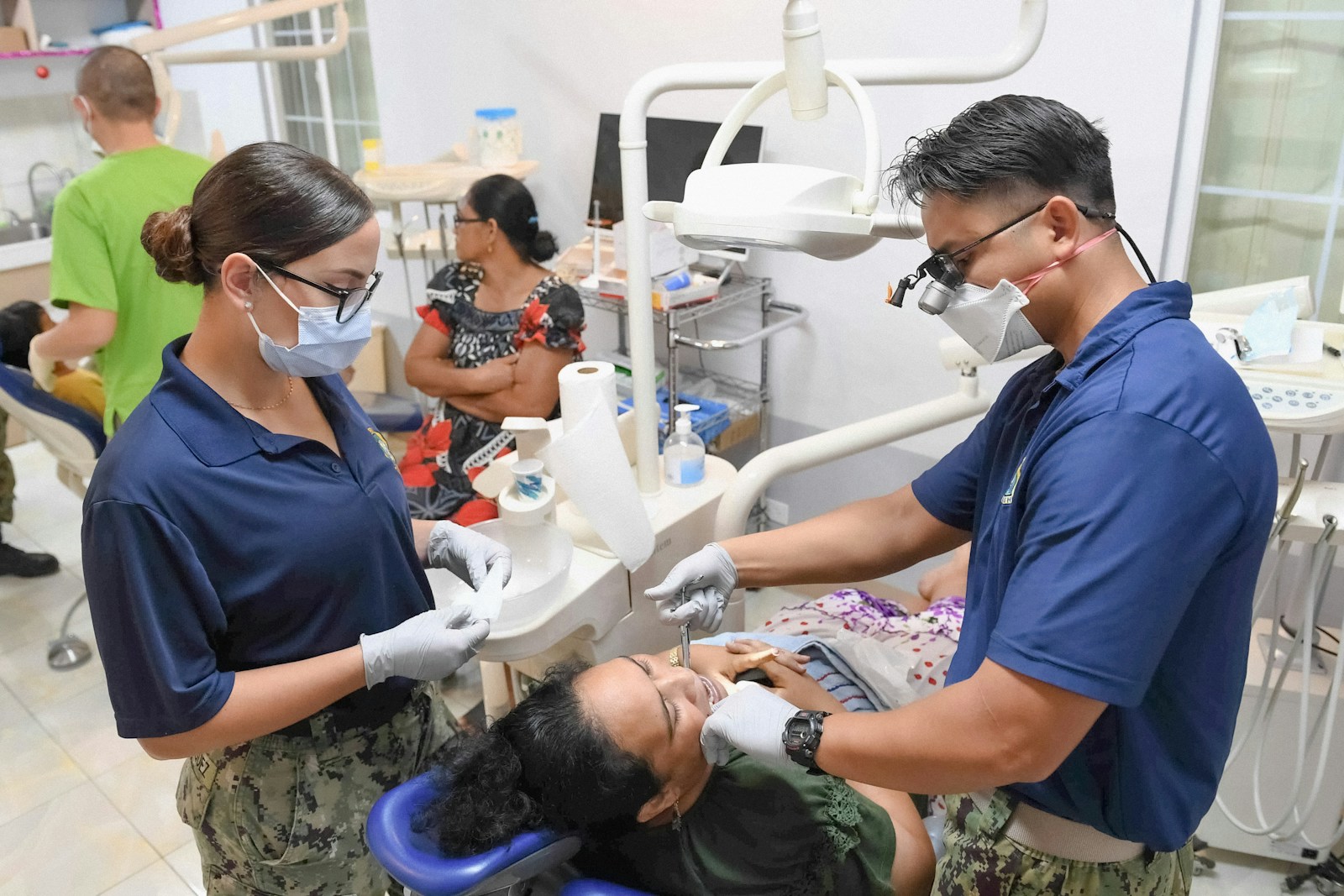
For too long, oral health has been treated as an afterthought in global health systems. Yet the evidence is undeniable: oral diseases are among the most prevalent non-communicable diseases (NCDs) worldwide, affecting more than 3.5 billion people. From periodontitis to oral cancers, their links with diabetes, cardiovascular disease, and other chronic conditions are well established.

Now, the World Federation of Public Health Associations (WFPHA) has issued a powerful policy statement: Integrating Oral Health into the Global NCD and UHC Agendas — A Call to Action for Public Health Associations. The message is clear: oral health must be embedded within all national and global health frameworks if we are to achieve health equity and the Sustainable Development Goals (SDGs).

Oral Health: The Missing Link in Universal Health Coverage

According to the WHO, NCDs account for 41 million deaths annually, representing 71% of all global mortality. Low- and middle-income countries (LMICs) bear the heaviest burden; 85% of premature deaths from NCDs occur there. Oral diseases follow this same inequitable pattern, yet remain excluded from most national NCD strategies and Universal Health Coverage (UHC) packages.

This omission undermines prevention, delays early detection, and perpetuates health inequities. As the WFPHA notes, oral health is “a mirror of overall health.” Neglecting it weakens entire health systems.

Why Integration Matters

Integrating oral health into UHC and NCD agendas is more than a moral imperative. It’s smart public health and smart economics. Countries like Thailand and Brazil have shown that embedding oral health into primary care systems reduces disease burden, improves outcomes for chronic conditions, and saves money.

Integrated prevention efforts like reducing tobacco use, sugar consumption, and harmful alcohol intake benefit oral and systemic health. By targeting shared risk factors, countries can create healthier populations and more resilient health systems.

A Call to Action for Public Health Associations

Public health associations (PHAs) sit at the intersection of science, policy, and advocacy. The WFPHA urges them to:

  1. Adopt oral health integration as a strategic priority in your national advocacy agenda.
  2. Advocate with your Ministry of Health to include oral health in NCD strategies, UHC packages, and PHC delivery.
  3. Mobilize interprofessional coalitions that link oral health, NCDs, and health equity.
  4. Monitor and report on your country’s progress toward integration.

By championing integration, PHAs can drive national accountability and ensure that oral health becomes an essential part of primary health care (PHC).

Engaging All Stakeholders: From Policy to Industry

The statement also highlights the crucial role of collaboration among governments, civil society, academia, and the oral hygiene industry by aligning their operations with equitable access, transparent pricing, and responsible marketing.

From Evidence to Action

We have the frameworks from the WHO Global Oral Health Action Plan (2023–2030) to the WHO Oral Health Resolution (2021). The evidence is clear. What’s missing is the political will and operational leadership to act.

Oral health is not a luxury. It is a fundamental human right and an essential component of global health equity.

The time for integrated action is now.

Read the original call to action here. 

Public Mental Health Working Group

Public Mental Health Working Group

Headshots of two people

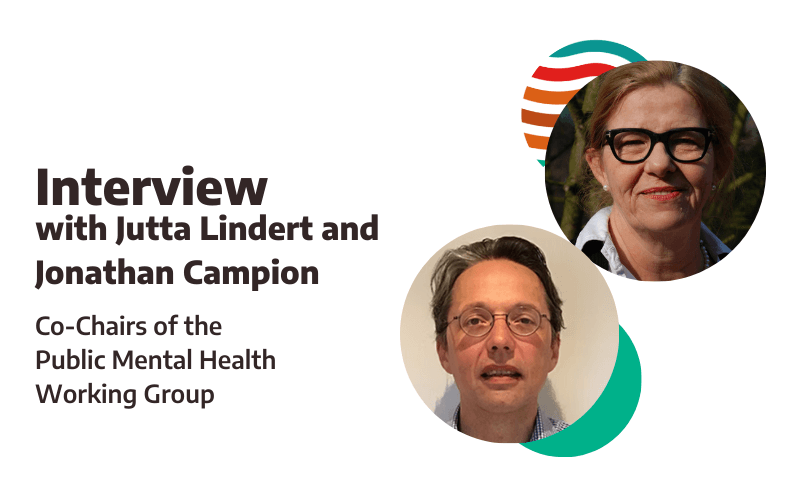
Public Mental Health Working Group Co-Chairs Interview: Professor Jutta Lindert and Dr. Jonathan Campion

News

Apr 2, 2025

Public mental health is an increasingly recognized component of public health, vital for improving population well-being and addressing inequalities worldwide. In this interview, we speak with Professor Jutta Lindert and Dr. Jonathan Campion, co-chairs of the World Federation of Public Health Associations’ (WFPHA) Public Mental Health Working Group. 

Jutta and Jonathan share their insights, experiences, and visions for advancing public mental health.

Jonathan and Jutta – please introduce yourselves.

Jonathan Campion: I’m Director of Public Mental Health and Consultant Psychiatrist at South London and Maudsley NHS Foundation Trust in the UK. I am also co-chair of the Public Mental Health Section at the European Psychiatric Association and chair of the Public Mental Health Special Interest Group at the World Psychiatric Association. At the WFPHA, I co-chair the Public Mental Health Working Group with Professor Jutta Lindert. Additionally, I’m an Honorary Professor of Public Mental Health at the University of Cape Town, South Africa.

Jutta Lindert: I am a Professor of Public Health from Germany, specializing in public mental health. I co-chair the Public Mental Health section of the European Public Health Association (EUPHA), which I founded 20 years ago. Back then, public mental health was rarely discussed, but it is now gaining prominence, not just in Europe but globally. I’m thrilled to see the WFPHA embracing this focus because mental health has historically been on the margins of public health. Today, it’s becoming a central concern.

At the WFPHA, I co-chair the Public Mental Health Working Group with Dr. Jonathan Campion. Additionally, I lead a huge European consortium on Youth Mental Health.

How long have you been part of the World Federation of Public Health Associations (WFPHA)?

Jonathan Campion: The WFPHA Public Mental Health Working Group was launched on  2/5/23 during the 17th World Congress on Public Health in Rome. I co-chair this group with Professor Lindert, and other members include Professor Bettina Borisch, Dr. Marta Caminiti, and Professor Paul Unschuld.

Jutta Lindert:  I first observed the WFPHA’s work around 2002 or 2003 but couldn’t actively participate due to other commitments. Over the years, I have appreciated the Federation’s global perspective, essential for understanding and addressing mental health issues in diverse contexts. Now, I am honored to serve as co-chair for the newly founded Public Mental Health Working Group.

What interested you in entering the public health sector?

Jutta Lindert: My primary motivation has always been to improve the health of populations, particularly those living in vulnerable situations. As a researcher, I focus on identifying and mitigating health risks for these groups. It is very important for me to provide reliable data that can inform policies and actions. We need good science to respond to public health needs. Public health combines research and action—using evidence to reduce risks and improve outcomes for those most in need.

Jonathan Campion: I initially trained as a general practitioner and saw firsthand how pervasive mental health issues were, particularly in underserved settings. I also realized how neglected mental health was and how it both drives and is driven by social determinants. This inspired me to train in psychiatry and then focus on broader public mental health policy and practice. The massive implementation gap struck me for the treatment and prevention of mental health conditions and the promotion of mental well-being and resilience. I’m passionate about supporting the scale implementation of evidence-based public mental health interventions to sustainably reduce the burden of mental health conditions and promote well-being, particularly in marginalized communities.

What does public mental health mean to you?

Jonathan Campion: Public mental health involves a population approach to sustainably reduce the burden of mental health conditions and promote population mental wellbeing and resilience through scale implementation of evidence-based public mental health interventions to prevent associated impacts, treat mental health conditions, prevent mental health conditions, and promote mental well-being and resilience.

Despite the availability of such interventions provided by different sectors, there is a massive implementation gap, particularly in low- and middle-income countries —only a minority of those with mental health conditions receive treatment with negligible coverage of interventions to prevent mental health conditions or promote mental well-being and resilience. Addressing this gap prevents population-scale suffering, improves a range of public health relevant outcomes, and reduces associated economic costs. Public mental health approaches represent a key opportunity for public health. 

Jutta Lindert: As WHO rightly emphasizes, there is no health without mental health. Public mental health is about more than just addressing mental disorders, which affect one-third of the global population during their lifetime. Mental health and mental health conditions need to be understood as a continuum. As symptoms can be identified at an early level, it is crucial to better understand the onset and trajectories of mental health conditions. It also involves fostering resilience and reducing environmental and social risks. Strengthening mental health prepares populations for change and transformation, reducing stigma and promoting openness.

What are your goals and visions for the WFPHA Public Mental Health Working Group?

Jutta Lindert: Our primary goal is to disseminate knowledge and foster collaboration across sectors, disciplines, and countries. We aim to deepen understanding through research and share findings via webinars, summer schools, and other platforms. Ultimately, we want to improve mental health literacy and public mental health outcomes worldwide.

My vision is to work on a global model of mental health —and leave more Euro or North American models behind to serve the world’s populations better.

Jonathan Campion: Our Working Group identified the following five key areas:

  1. Support public mental health knowledge, training, and practice.
  2. Integrate public mental health into public health work.
  3. Raise population awareness about mental health and resilience.
  4. Promote collaboration across systems and disciplines.
  5. Support the implementation and research of evidence-based public mental health interventions.

Our actions include fostering cross-sector collaboration, disseminating resources, organizing workshops, and publishing relevant research. For example, on World Mental Health Day 2023, the WFPHA partnered with the World Psychiatric Association and the World Organization of Family Doctors and signed a public mental health statement to advocate for a whole-system approach to address the global public mental health implementation gap. See more here.

Where do you see public mental health in the next five years?

Jutta Lindert: I hope that public health professionals will universally recognize the importance of public mental health in five years. I envision a world where mental health discussions are as normalized as those about physical health, helping to reduce stigma and foster inclusive conversations. Additionally, research on factors contributing to mental health is essential to Public Mental Health. By reducing risk factors, it might be possible to improve mental health.

Jonathan Campion: The next five years present a significant opportunity to address public mental health implementation failure, especially in low- and middle-income countries. We aim to support greater coordination between sectors and evidence-based action to address the public mental health implementation gap across different sectors. By 2030, we hope to have supported measurable progress in closing the public mental health implementation gap and advancing universal health coverage, including for mental health.

What can individuals do to support mental health—for themselves and others?

Jutta Lindert: Supporting others often enhances one’s mental health. Building caring societies and caring relationships is fundamental. We need to be the change we want to see; ethics is crucial to mental health. Alongside well-known strategies like physical activity and sufficient sleep, we need innovative approaches to bridge the gap between mental health needs and available care.

Last comments

Jutta Lindert: It’s crucial to spread mental health awareness across sectors and develop targeted strategies for different age groups. Building resilience and reducing risks can profoundly impact population health. Future research on public mental health should be supported to allow for more evidence-based actions.

How to support others and their own mental health

Jonathan Campion: Mental health affects every family. Promoting literacy about mental health, recognizing early signs of mental health conditions, and understanding preventive strategies are vital. For example, physical activity can effectively address early depression, while smoking cessation has a similar effect on depression as antidepressants. There are also things we can all do to promote our mental well-being. 

Last comments

Jonathan Campion: Mental health intersects with other public health issues, like tobacco use, which disproportionately affects individuals with mental health conditions. Addressing these overlaps can significantly improve population health. Public health practitioners have a particularly important role in understanding what actions are required at different levels to address the implementation failure. This includes informing policymakers about the size of unmet needs and what the most implementable opportunities are to scale up particular interventions that would have maximum population mental health impact as well as a broad range of impacts across other sectors. The WFPHA’s leadership in public mental health is inspiring, and I look forward to working with the WFPHA on this important agenda.

Conclusion

Public mental health is integral to overall health and well-being. As Professors Lindert and Campion highlight, addressing the public mental health implementation gap and fostering collaboration across sectors can sustainably reduce the impact of mental health conditions and promote the population’s mental well-being and resilience. This results in a broad range of relevant public health impacts. The WFPHA Public Mental Health Working Group is poised to play a pivotal role in this global effort.

Working Group Members:

Professor Bettina Borisch: Professor of Public Health at the University of Geneva; CEO of World Federation of Public Health Associations.

Dr Marta Caminiti: Medical Resident in Public Health at University of Perugia, Italy; Co-chair the Public Mental Health Working Group at the World Federation of Public Health Associations.

Dr Jonathan Campion: Director for Public Mental Health and Consultant Psychiatrist at South London and Maudsley NHS Foundation Trust; Co-chair of the Public Mental Health Section at the European Psychiatric Association; Chair of the Public Mental Health Special Interest Group at the World Psychiatric Association; Co-chair the Public Mental Health Working Group at the World Federation of Public Health Associations: Honorary Professor of Public Mental Health at the University of Cape Town, South Africa.

Professor Jutta Lindert: Professor of Public Health at University of Emden (Germany); Co-chair of Public Mental Health Section at the European Public Health Association (EUPHA); Co-chair the Public Mental Health Working Group at the World Federation of Public Health Associations.