Gaza Call to Action

Gaza Call to Action

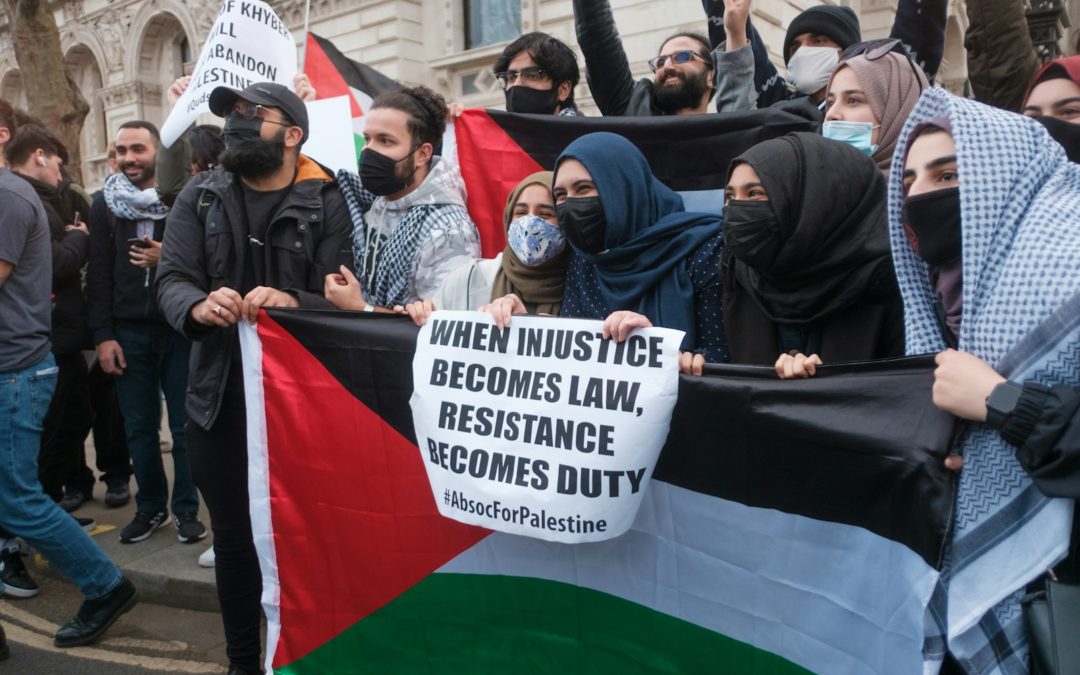
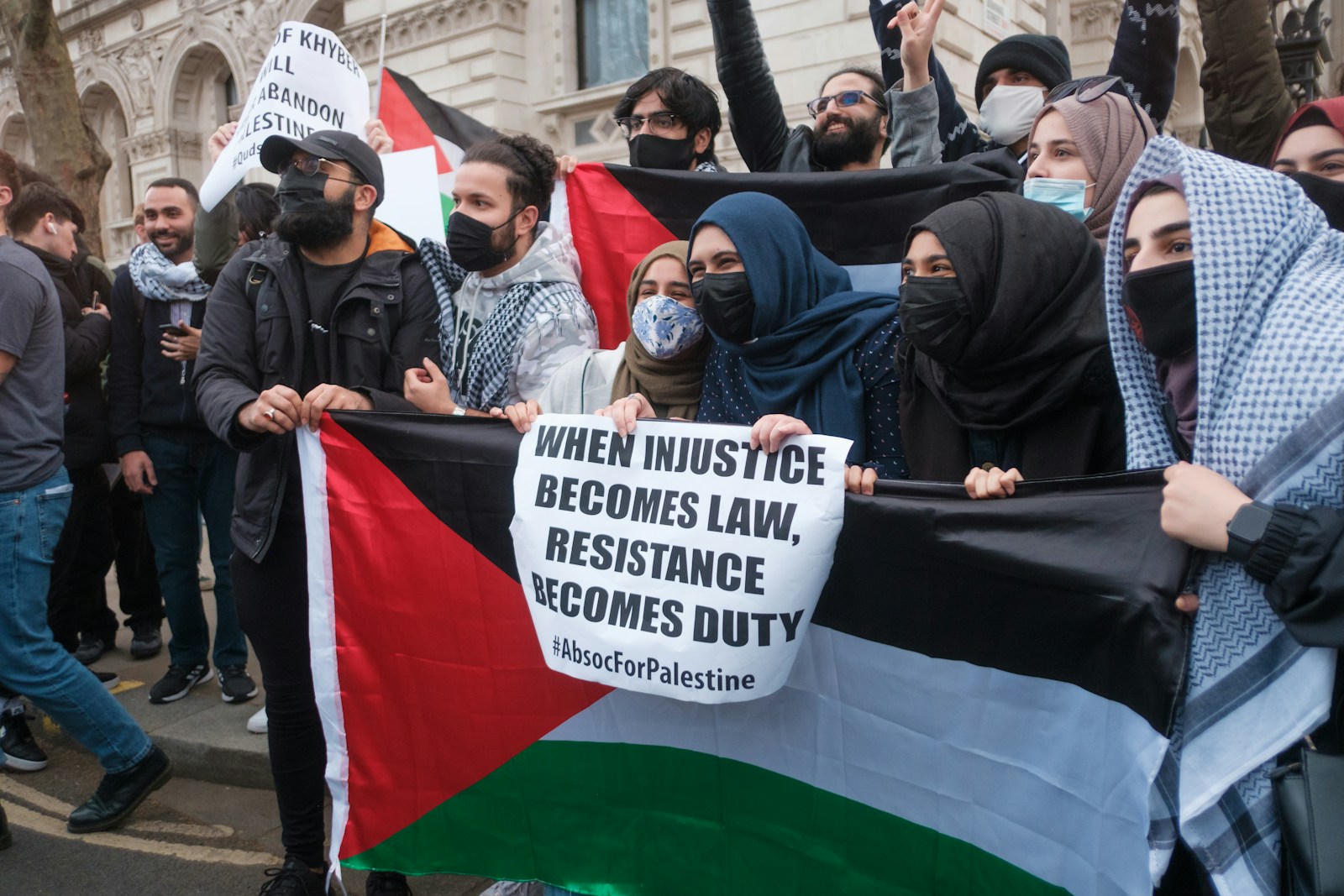
man in black jacket and black cap holding white banner

Gaza’s Public Health Crisis: A Call for Global Action and Justice

News

Sep 12, 2025

Gaza and Palestine’s public health systems are under attack. They’re collapsing. 

Genocide, governance failures, and the ethics of global health are to blame. Since 1967, the World Federation of Public Health Associations (WFPHA) has championed global health equity, evidence-based policy, and international cooperation. 

Today, we stand in solidarity with Palestine and call for urgent action to protect public health, human rights, and international law.

The Collapse of Public Health in Gaza and Palestine

The deliberate destruction of Gaza’s health infrastructure is more than a humanitarian disaster. It’s a violation of medical neutrality, the Geneva Conventions, and the right to health. When hospitals, health workers, and data systems are targeted, silence becomes complicity.

The Devastating Impact on Gaza’s Health System (October 2023 – Present)

While the oppression of Palestinians predates October 2023, the escalation of war crimes, ethnic displacement, and genocide has led to catastrophic outcomes:

These statistics highlight the bleak reality: a deliberate dismantling of public health.

Weaponized Famine and Health as a Target 

Gaza faces manufactured famine, with siege tactics blocking food and medical aid. Children are highlighted because they’re the most innocent. But it’s not just children. Everyone in Gaza is being starved and killed. The elderly, pregnant women, the sick, people with disabilities, ordinary men and women. No one is safe. Starvation isn’t a side effect but rather a weapon of war.  

Legal experts, UN Special Rapporteurs, Amnesty International, and the Lemkin Institute, among several others, confirm this meets the criteria for genocide under international law. Public health has been systematically weaponized through:

  • Bombing hospitals and clinics
  • Blocking medical supplies
  • Destroying vaccination programs and health data
  • Targeting public health education

When is enough, enough? 

Global Health Governance Failures 

Despite Palestine’s observer status at the World Health Assembly, its health system has been destroyed with no meaningful intervention. The WHO, ECOSOC, and global health institutions face a crisis of credibility if they fail to act.

WFPHA’s Call to Action: Justice, Protection, and Accountability

We demand immediate action, not just advocacy:

1. Immediate Ceasefire and Protection of Civilians 

  • Unconditional, internationally monitored ceasefire

2. Restore Gaza’s Health System 

  • Guaranteed humanitarian corridors
  • Protection for health workers and facilities
  • Independent investigations into violations

3. Legal Accountability for War Crimes 

  • Activate ICC and universal jurisdiction for attacks on health systems

4. Global Health Emergency Declaration 

  • Invest in infrastructure, vaccinations, and data recovery

5. Support Displaced Health Workers 

  • Academic sanctuary, mentorship, and employment aid

6. Permanent Conflict Health Monitoring 

  • WFPHA and WHO must develop real-time monitoring tools

7. Mobilize the Public Health Community 

  • National associations must document violations and speak out

Health Requires Peace as Silence is Complicity

This goes beyond Gaza and Palestine. We demand adherence to public health, human rights, and international law. Neutrality isn’t an option. Never again must mean never again for everyone.

Health demands peace. Public health demands courage.
The time for both is now.

Signed,
World Federation of Public Health Associations (WFPHA)


Read the Lancet correspondence letter here

Read the original call to action statement here

Read the original call to action statement in Arabic

Read the original call to action statement in Spanish

Promoting Youth Mental Health

Promoting Youth Mental Health

man beside white frame window

The Global Youth Mental Health Crisis: Causes, Solutions & Urgent Actions Needed

News

Sep 4, 2025

Mental health is key to overall well-being. For young people aged 10 to 24, it’s even more critical. However, today, we face an unprecedented mental health crisis; the aftershocks of COVID-19. The rates of depression, anxiety, and suicide among young people worldwide are rising at an alarming rate. 

Let us explore the causes, consequences, and solutions to this growing issue.  

The Rising Youth Mental Health Crisis: Key Statistics  

While youth mental health crises have always been of concern, the COVID-19 pandemic exacerbated them. Some key statistics to consider include:

Nevertheless, where does this all stem from?

Key Risk Factors for Poor Youth Mental Health 

The contributing factors to youth mental health are vast. They include (but are not limited to):

  • Social Media & Digital Stress: While somewhat beneficial, excessive social media use is linked to anxiety, depression, and suicidal ideation. 
  • Trauma and Adverse Childhood Experiences (ACEs): Abuse, neglect, bullying, and family violence increase mental health risks. Economic and Social Inequities: Poverty, job insecurity, and housing instability exacerbate mental well-being issues. 
  • Climate Anxiety: 59% of young people report extreme worry about climate change. 
  • Lack of Access to Care: Only 6% of youth in low-income countries receive mental health treatment.  

While these statistics and trends are worrisome, remember that there’s always hope. Consider the following solutions and strategies to address this crisis and improve the mental health of our youth. 

Solutions: How to Improve Youth Mental Health  

Each and every one of us, whether as individuals, communities, or as a society as a whole, has a role to play in helping combat the youth mental health crisis. 

  •       Government and Policy Actions Needed 

Governments must prioritize prevention over intervention, especially in the context of suicide, by implementing national youth mental health strategies. They can increase funding for mental health services by expanding affordable and accessible care in schools, communities, and most importantly, online. By addressing social determinants such as poverty and discrimination, policies can make a needed difference.

  • Schools and Communities Must Step Up

Teachers can teach coping skills, emotional resilience, and early warning signs. This includes anti-bullying and inclusion programs, especially to protect marginalized groups such as LGBTQAI+, refugees, and Indigenous youth. Providing safe spaces, such as peer support and counseling, can also help combat stigma for youth seeking help. 

  •  Technology and Innovation in Mental Health Care

Teletherapy and mental health apps expand digital mental health services by providing remote access. AI and chatbots can also offer 24/7 crisis intervention and counseling. 

  •  Youth Involvement and Advocacy

Let’s engage young people in designing mental health programs and support initiatives like UNICEF’s Global Coalition for Youth Mental Health. 

Early intervention, increasing access to care, promoting resilience, and addressing social determinants can support the young generation to overcome this crisis. 

Call to Action: What You Can Do

There are several ways you can combat the youth mental health crisis:

  • Advocate for better mental health policies in your community.  
  • Support youth mental health nonprofits and helplines.  
  • Educate yourself and others on early warning signs of mental distress.  
  • Demand universal mental health coverage in healthcare systems.  

By addressing risk factors, expanding access to care, and empowering young voices, we can create a healthier future for the next generation.

Read the official Call to Action: Promoting the Mental Health of Young People Policy Statement here.

Breastfeeding crisis

Breastfeeding crisis

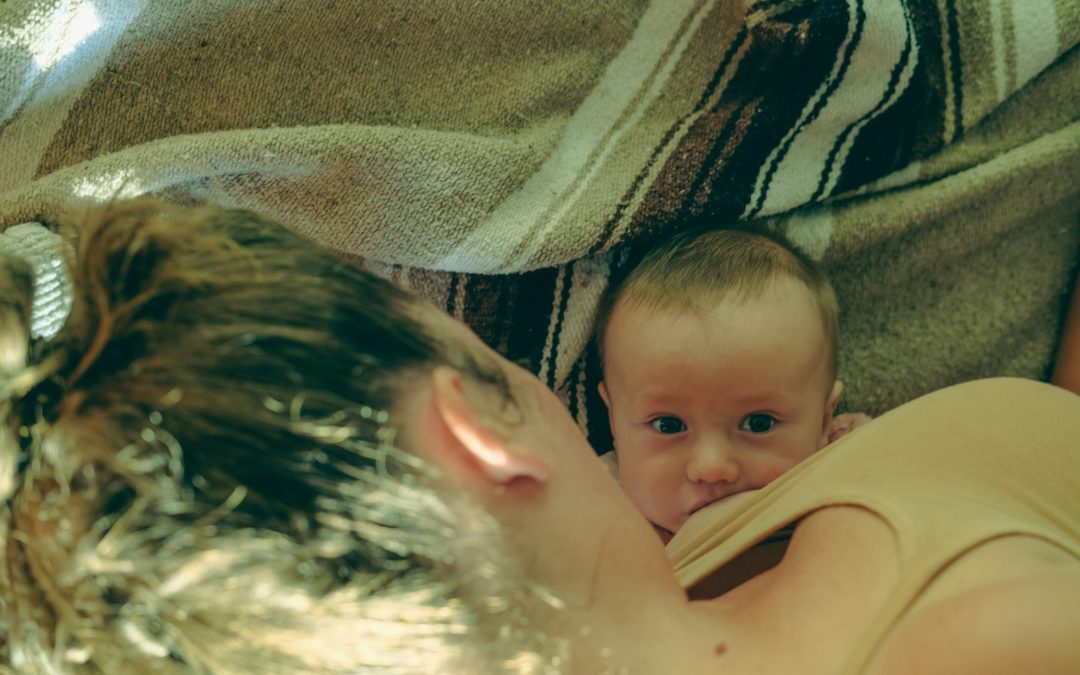
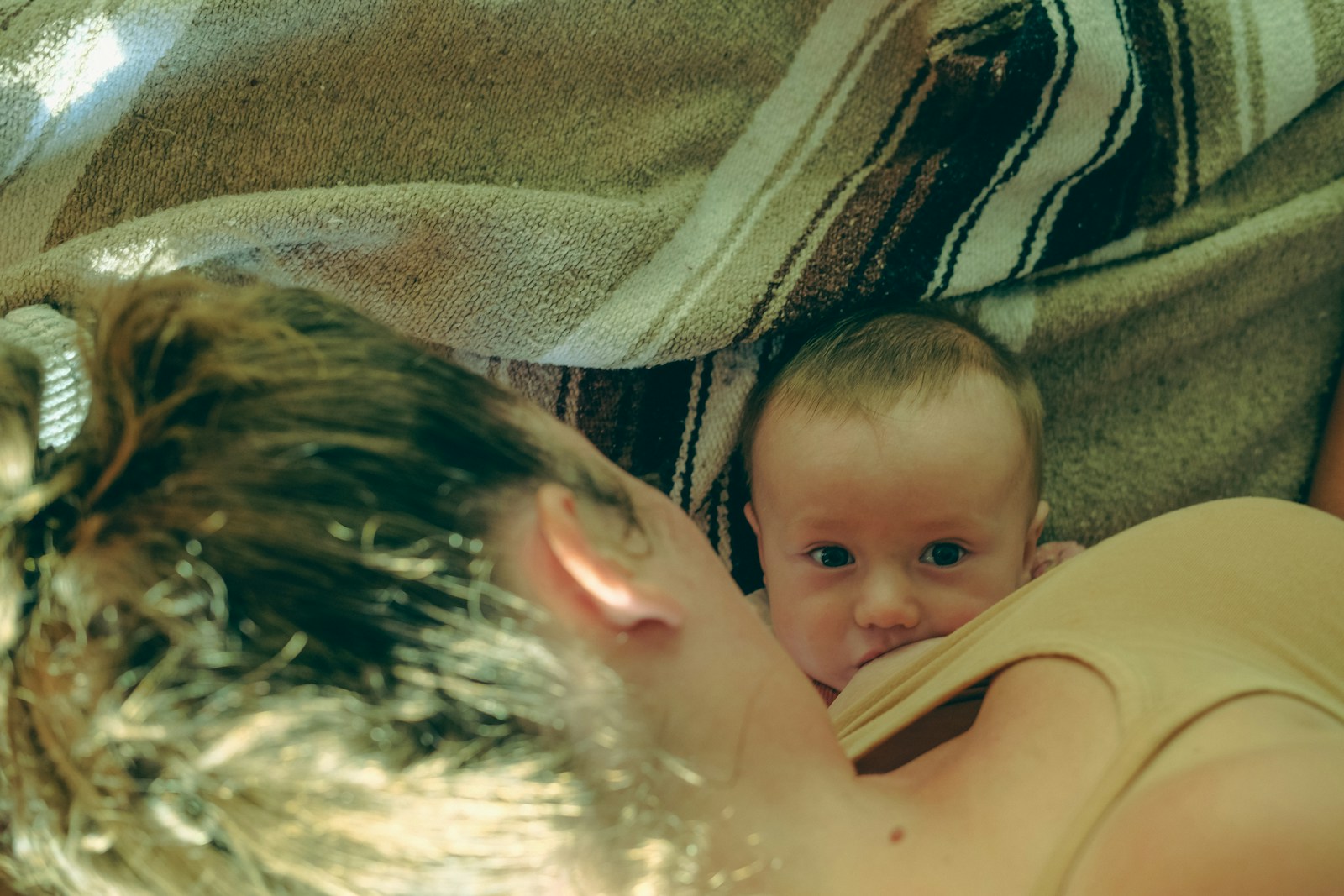
a woman holding a baby under a blanket

The Global Breastfeeding Crisis How Formula Marketing Undermines Infant Health & What We Must Do

News

Oct 2, 2025

Breastfeeding is one of the most effective ways to ensure child survival and long-term health, yet aggressive commercial milk formula (CMF) marketing continues to undermine it. Despite 40 years of international regulations, only 48% of infants worldwide are breastfed as recommended.  

Let’s delve further into how companies exploit parents and healthcare systems, and how governments and healthcare professionals can combat unethical practices. 

The Formula Industry’s Grip on Global Infant Nutrition  

While breastfeeding is biologically natural, billion-dollar corporations have made formula feeding seem “normal.” Yet, the science is clear: breastfeeding prevents disease and boosts development. Especially when considering how unsafe water can make formula feeding deadly.

  1. How Formula Marketing Undermines Breastfeeding Rates  
  •  CMF sales grow yearly, with companies targeting social media, doctors, and hospitals to push products.  
  •  Only 33 out of 194 countries fully enforce the International Code of Breast-milk Substitutes.  
  • False health claims and free samples discourage breastfeeding, especially in vulnerable communities.  
  1. Why Breastfeeding Matters: Lifesaving Benefits  
  • Reduces infant mortality by protecting against diarrhea, pneumonia, and malnutrition.
  • Lowers chronic disease risks (obesity, diabetes) later in life.  
  • Supports brain development, leading to higher IQ scores.  
  • Saves families money: Formula feeding can cost over $ 1,500 per year.  
  1. Formula’s Hidden Dangers in Low-Income Countries  
  • Diluted formula (due to cost) leads to malnutrition.  
  • Contaminated water increases infectious disease risks.  
  • Supply chain disruptions (e.g., wars, disasters) leave babies without food.  

Urgent Actions to Protect Breastfeeding Worldwide 

There are various actions we can take to protect breastfeeding. From fighting corporate manipulation and interests to providing women with more support, we can counter the influence of Big Formula. 

Let’s explore these points further:

1. Ban Predatory Formula Marketing

  •  Enforce the WHO Code, which bans CMF ads, free samples, and health claims.  
  •  Regulate digital marketing, which now targets mothers on Instagram and TikTok.  
  • Penalize violations with fines and legal action.  
  1. Support Mothers with Paid Leave and Workplace Policies  
  • Mandate 6+ months of paid maternity leave (only 25% of countries do this).  
  • Require breastfeeding breaks and private spaces at work.  
  • Educate employers on the economic benefits of breastfeeding.  
  1. End Formula Industry Influence in Healthcare  
  •  Ban CMF company sponsorships of medical conferences and research.  
  • Train health workers on breastfeeding counseling.  
  • Remove formula samples from hospitals and clinics.  
  1. Fund Grassroots Breastfeeding Advocacy  
  • Support mom groups and lactation consultants in underserved areas.  
  • Counter misinformation with social media campaigns.  
  • Partner with midwives and community leaders to promote breastfeeding.  
  1. Prepare for Emergencies with Breastfeeding Support  
  • Prioritize breastfeeding in disaster responses (no formula donations).  
  • Train emergency workers in safe infant feeding practices.  
  • Stockpile breast pumps and lactation aids for displaced mothers.  

A Future Where Every Child Gets the Best Start 

Breastfeeding is a human right, not a corporate profit opportunity. So, what can you do?  

  • Demand stronger formula marketing laws in your country.  
  • Support breastfeeding moms in your community.  
  • Choose ethically sourced breast milk banks over formula when needed.  
  • Share this information: Many parents are unaware of the risks associated with CMF.  

By stopping predatory marketing, supporting mothers, and enforcing global policies, we can ensure that every baby receives the safest and healthiest food, breast milk.

Read the official Policy Resolution on Breastfeeding here. 

Climate change and maternal child health

Climate change and maternal child health

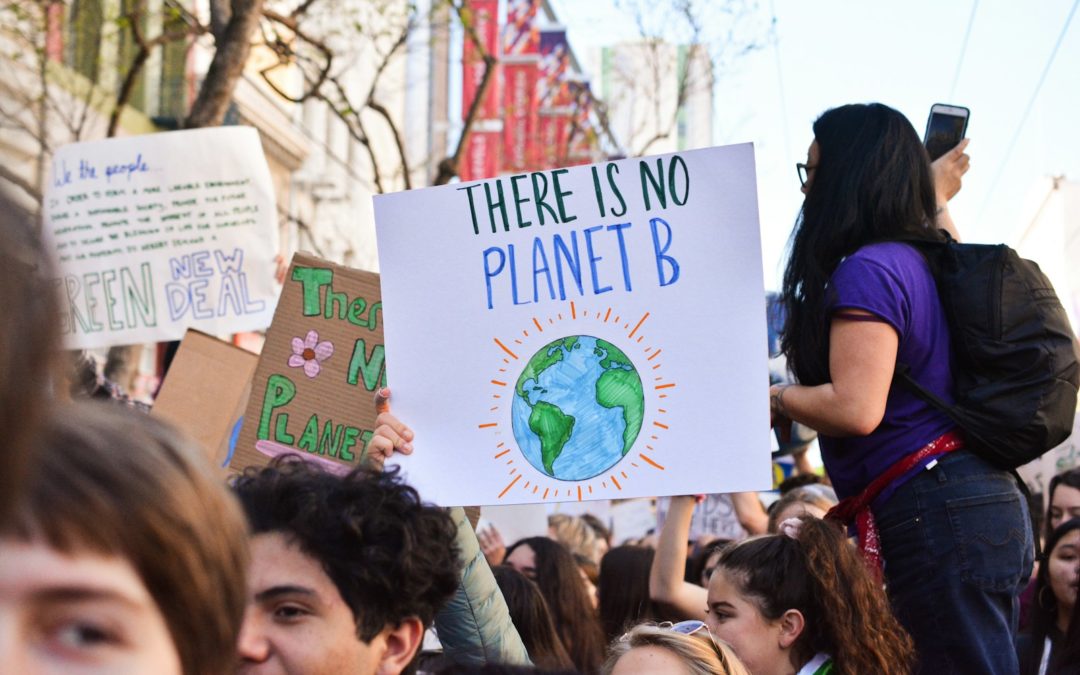
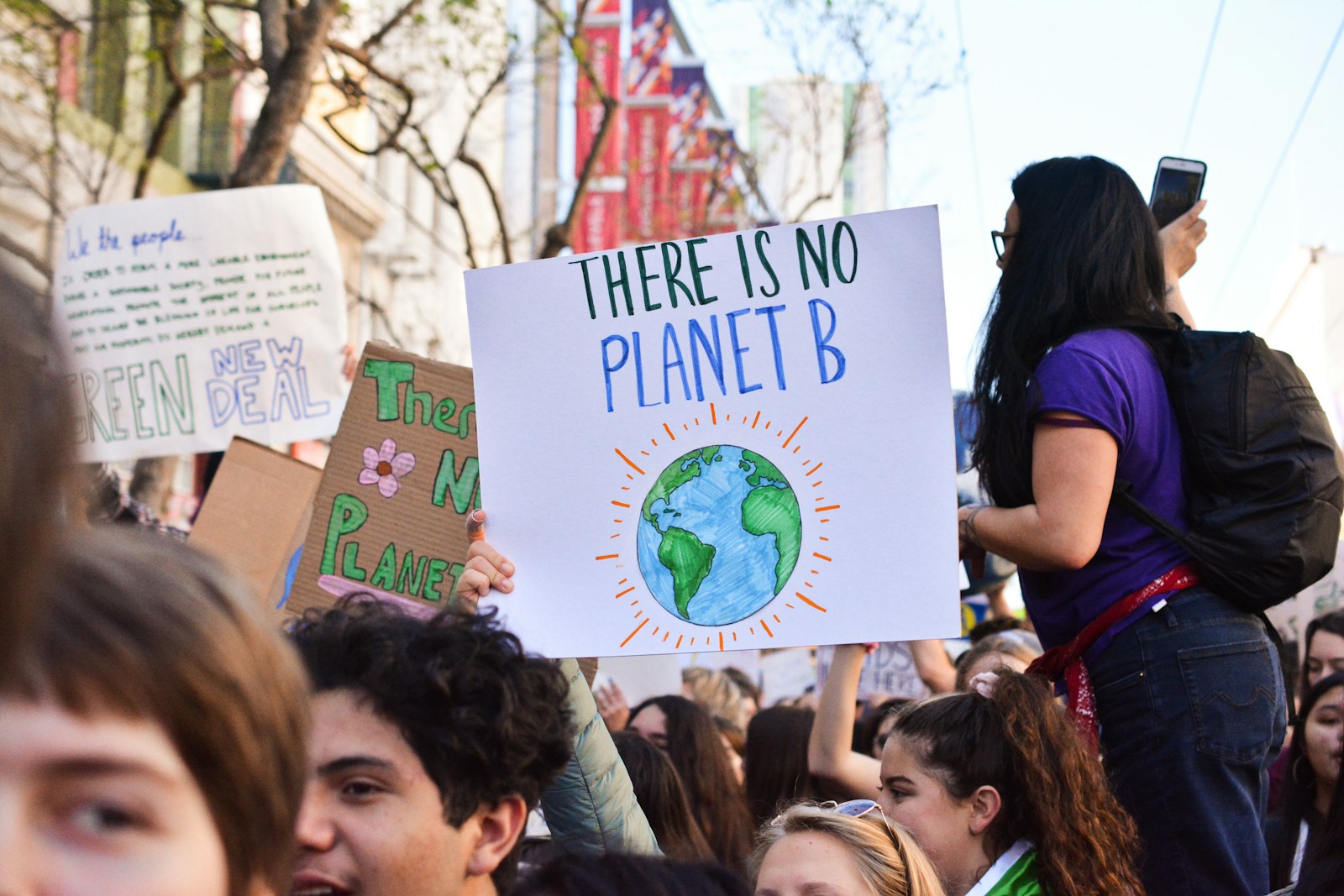
person holding there is no planet b poster

Climate Change and Maternal, Newborn, Child & Adolescent Health: A Global Call to Action

News

Aug 28, 2025

Climate change is here and it’s actively harming the health of women, newborns, children, and adolescents (MNCAH) worldwide. Rising temperatures, extreme weather, and environmental degradation are increasing the risks of pregnancy complications, malnutrition, infectious diseases, and mental health disorders among vulnerable populations.  

According to a 2024 systematic review, climate hazards like extreme heat and air pollution raise the risk of preterm birth, stillbirth, and gestational diabetes by 12-47%. Meanwhile, UNICEF’s 2022 report highlights how floods, droughts, and displacement disrupt access to clean water, healthcare, and nutrition, threatening survival and development.  

Let’s further discuss how climate change exacerbates MNCAH outcomes and explore evidence-based solutions that can protect future generations.  

How Climate Change Harms Maternal, Newborn, and Child Health  

Climate change doesn’t just affect the environment; it directly endangers mothers and babies, threatens food security, and inhibits physical as well as mental health. 

  1. Increased Pregnancy and Birth Complications 

– Extreme heat is linked to preterm birth, low birth weight, and stillbirth.  

– Air pollution from wildfires increases the risks of asthma, respiratory diseases, and developmental delays in children.  

– Flooding and droughts disrupt access to prenatal care, clean water, and nutrition, worsening maternal and infant mortality.  

  1. Rising Infectious Diseases and Malnutrition  

– Vector-borne diseases (malaria, dengue) are spreading to new regions due to warmer temperatures.  

– Water scarcity and contaminated supplies increase diarrheal diseases, a leading cause of child deaths.  

– Crop failures from droughts contribute to child malnutrition and stunted growth, with lifelong consequences.  

  1. Mental Health Crisis in Children and Adolescents

– Post-traumatic stress disorder (PTSD) is rising among children exposed to floods, hurricanes, and wildfires.  

– Climate anxiety affects 59% of youth globally, with many fearing an unlivable future.  

– Family displacement due to climate disasters disrupts caregiving stability, worsening mental health outcomes.  

Who Is Most Vulnerable? 

Climate change affects everyone. Yet, some groups face disproportionate risks, and the first step is raising awareness about this.   

  • Pregnant women and newborns have a higher susceptibility to heat stress and infections.
  • Children under 5 are vulnerable to malnutrition, disease, and developmental delays.
  • Low-income and marginalized communities lack access to healthcare and disaster resilience.  
  • Climate migrants and refugees face disrupted healthcare and increased poverty.  

Without intervention, the WHO and UNICEF warn that climate-related child deaths could rise by 200,000 every year by 2030.  As Debra Jackson, Professor of Global Maternal and Child Health, LSHTM, and member of the WFPHA Women, Children and Youth Working Group states, “We know women and children are particularly vulnerable to the effects of climate change. Their future and lives depend on immediate action.”

Solutions: Protecting MNCAH in a Changing Climate  

Global climate responses must prioritize maternal and child health, and using better data can help.

  1. Integrate MNCAH into Climate Policies  

– National climate adaptation plans should include MNCAH protections, such as heat-resilient prenatal care.  

– Reduce carbon emissions in healthcare (responsible for 4.4% of global greenhouse gases).  

– Fund climate-resilient hospitals with backup power, clean water, and emergency obstetric care.  

  1. Strengthen Data and Research  

– Track climate-linked health outcomes with real-time monitoring systems.  

– Expand research in low-income countries, where data gaps are largest.  

– Educate communities and health workers on climate-related health risks.  

  1. Multi-Sector Collaboration 

– Health and environmental policies must align (e.g., clean energy reduces air pollution).  

– Private sector investment in sustainable infrastructure and child health programs.  

– Grassroots advocacy to amplify the voices of women, youth, and Indigenous communities.  

We need unity across all sectors to combat this crisis. After all, there’s power in numbers. 

Call to Action: What Must Be Done Now  

The intersection of climate change and maternal-child health is one of the most significant public health challenges of our time. We must act now and demand climate justice for women and children.

  • Governments: Pass laws protecting MNCAH in climate policies.  
  • Healthcare Systems: Build low-carbon, disaster-ready clinics.  
  • Researchers: Fill gaps in climate-health data, especially in vulnerable regions.  
  • Communities: Advocate for local climate adaptation and health equity.  

By implementing evidence-based policies, resilient health systems, and global cooperation, we can safeguard the next generation.  

Read the official Policy Statement and Call to Action on Climate Change and Maternal, Newborn, Child and Adolescent Health here.

Oral Health Working Group Abiola

Oral Health Working Group Abiola

Headshots of two people

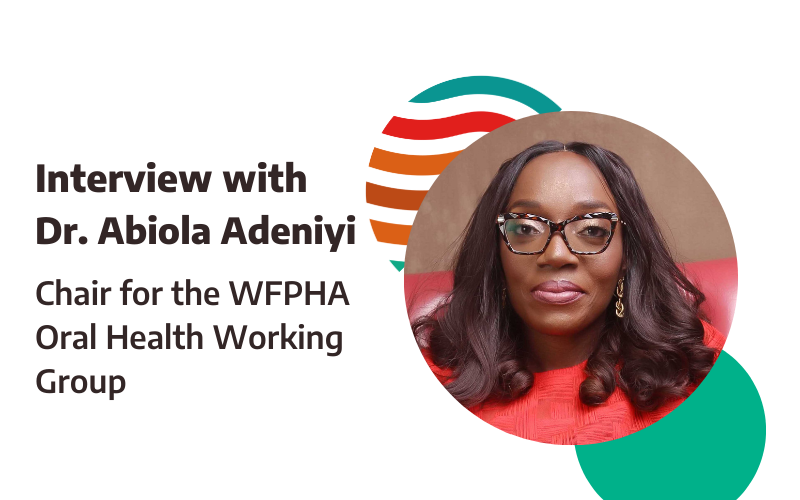
Oral Health Working Group Chair Interview: Dr. Abiola Adeniyi

News

Aug 22, 2025

Oral health is often overlooked in public health discussions, yet it plays a critical role in overall well-being. To explore how oral health intersects with broader health systems, we spoke with Dr. Abiola Adeniyi, Chair of the Oral Health Working Group at the World Federation of Public Health Associations (WFPHA). With a background in dentistry, public health, and global health policy, Dr. Adeniyi shares her journey, the current initiatives of her working group, and her vision for a future where oral health is accessible to all.

Please introduce yourself. 

My name is Abiola Adeniyi, and I’m currently the chair of the Oral Health Working Group at the World Federation of Public Health. I am, by training, a public health dentist, and I work as an assistant professor in Global Health and Human Services at Fairleigh Dickinson University, Canada.

I began my undergraduate dental training at the Obafemi Awolowo University Ile-Ife in Nigeria, followed by a residency in dental public health at the National Postgraduate Medical College of Nigeria. From there, I went on to pursue a Master’s in Public Health, first at the University of Lagos, and then followed that with another Master’s in Health Management, Policy, and Planning at the University of Leeds in the UK. Most recently, I completed a PhD in Population Oral Health Research at the University of British Columbia in Canada.

Over the years, my work has spanned clinical dentistry, advising on oral health policy, and teaching preventive dentistry and global health. What ties it all together is my passion for integrating oral health into broader healthcare systems and improving access to oral health care. That’s the perspective I bring to my work and education.

What motivated you to pursue a career in the public health space? 

For me, it started with a personal story. As a child, I spent a lot of time in the dental chair. Both my grandmother and my mother ran confectionery stores in Nigeria, so you can imagine I had plenty of access to non-refined sugars. My mom did her best to encourage good oral hygiene, but like many children, I didn’t always listen, and that meant I had frequent dental problems.

I was in and out of the dental clinic as a child. Those early experiences taught me something important: oral health isn’t just about teeth, it’s about overall well-being. I had sleepless nights from dental pain, and I learned (sometimes the hard way) how valuable prevention is.

When I began my dental training, I realized how common and preventable dental diseases were at a population level, and that was the turning point for me. I realized I wanted to do more than treat diseases one patient at a time. I wanted to focus more on prevention, reach a wider audience, and ensure fair access. So that’s what drew me into public health.

Even now, after my MPH and PhD, that original motivation has not changed. I aim to create environments where oral health is accessible, prioritized, and prevented, rather than just treated after problems occur.

How long have you been associated with the WFPHA? 

I have been part of the WFPHA for about three years now. I joined shortly after completing my PhD at UBC, and it has been an incredibly fulfilling journey. It has given me the chance to contribute to global advocacy, research, and collaborative action in the field of oral health. It has also given me the chance to connect with truly inspiring colleagues from all over the world.

Could you elaborate on your working group’s current activities and share your vision for the future?

Currently, our group is engaged in some truly exciting work.

  1. Podcast Series on Oral Health & Systemic Conditions

We’re partnering with the Non-Communicable Diseases (NCDs) Working Group of the WFPHA on a podcast series that explores the connections between oral health and conditions such as diabetes, cardiovascular disease, and other NCDs. This broadens the conversation and shows how oral health is an integral part of public health.

  1. Amplifying Patient & Community Voices

We believe lived experiences are crucial in shaping policies and designing effective solutions. We’re exploring how to listen better, engage more meaningfully, and measure the impact of our engagement.

  1. Strengthening Civil Society’s Role in Advocacy

We’re planning an event around the upcoming UN General Assembly to explore how civil society organizations can drive the oral health agenda. These organizations are often the closest to the communities they serve, and their insights are crucial to achieving sustainable, people-centered change.

  1. Digital Oral Health & Global Learning Models

We’re examining how technology can improve access, education, and care delivery, especially in underserved areas. We also have a casebook on school oral health programs. We are examining how different countries integrate oral health into their broader healthcare systems, so we can learn, adapt, and scale best practices.

  1. WHO Global Coalition on Oral Health

The WHO has invited us to contribute to the Global Coalition on Oral Health, particularly in engaging people with lived experiences of oral diseases and NCDs. This is a great opportunity to bring together community insights, policy, and innovation, ensuring oral health isn’t an afterthought but is considered alongside other NCDs.

I’m looking forward to seeing how our group will serve as a catalyst, connecting sectors and amplifying the voices of oral health advocates.

How do the working group’s activities align with the WFPHA’s strategic plan?

Our work is closely aligned with the WFPHA’s priorities on disease prevention, health promotion, and inclusive public health leadership.

For example:

– We’ve developed policy resolutions, including during the COVID-19 pandemic.

– We launched a Maternal and Child Oral Health Initiative, endorsed by over 50 public health organizations globally.

– We’ve produced tools on workforce development, school oral health programs, and digital resource evaluation.

– We’re providing feedback on the WHO Global Oral Health Strategy.

All of this reflects the Federation’s broader goals: strengthening health systems, elevating underrepresented voices, and fostering cross-sector collaboration.

How has being part of the WFPHA enhanced the reach and impact of your working group? 

Being part of the WFPHA has expanded our reach and credibility. Through its network, we’ve:

– Collaborated with other working groups on meaningful initiatives.

– Published in high-impact journals and presented at international conferences.

– Developed the Global Maternal and Child Oral Health Initiative through multi-continent partnerships.

– Created the School Oral Health Casebook, featuring models from six WHO regions.

The Federation gives us a platform to frame oral health as part of universal health coverage, social justice, and NCD prevention, bringing it into spaces where it’s often overlooked.

How does your working group plan to engage communities in oral health initiatives?

Our focus is on advocacy and policy, but we see a gap in global data on the lived experiences of oral diseases. One idea we’re exploring is systematically gathering and sharing these voices through the WFPHA network, whether through surveys or calls for testimony.

We can then incorporate these insights into policy briefs, advocacy campaigns, and global statements, ensuring that perspectives often overlooked in high-level discussions are heard.

What unique opportunities has the WFPHA provided your working group?

The WFPHA has opened doors for collaboration, knowledge exchange, and high-level engagement. For instance:

– We co-developed the School-Based Oral Health Casebook, featuring eight international models.

– We conducted a global workforce survey, leading to policy-relevant findings.

– Our podcast series highlights oral health’s connection to broader health systems, featuring experts worldwide.

These opportunities help make oral health visible, relevant, and prioritized among policymakers.

Any final thoughts? 

I’m incredibly grateful to chair this wonderful working group. The foundation laid by my predecessors, combined with the dynamic and globally diverse team we have now, makes this work possible.

We’re entering a new chapter where oral health is increasingly recognized as essential to public health. We’re excited to collaborate with new partners, welcome emerging voices, and work toward a world where oral health is seen as a right, not a privilege.

Final Takeaways 

Dr. Abiola Adeniyi’s work highlights the crucial role of oral health in public health, encompassing policy, prevention, technology, and community engagement. Her vision for equitable access and systemic integration serves as a powerful reminder: oral health goes beyond teeth. It’s about dignity, well-being, and justice.


Working Group Members:


Aarthi Shanmugavel, BDS, MPH, Manager, PhD Candidate, American Dental Association, USA.

Cleopatra Matanhire-Zihanzu, BDS, MPH, PhD Candidate, University of Zimbabwe Department of Oral Health, Zimbabwe.

Dorjan Hysi, DDS, MSc, PhD, Associate Professor, University of Medicine Tirana, Faculty of Dental Medicine, Albania.

Gloria Ha Young Ahn DDS, Intern, WFPHA, USA.

Hyewon Lee (Chair,) DrPH, DMD, Director,  the Seoul National University Global Maternal and Child Oral Health Center,  South Korea.

Irene Adyatmaka, DDS, PhD, Senior Lecturer, the Maranatha Christian University, Faculty of Dentistry, Indonesia.

Woo Jung Yang, DDS, Endodontist,  Seoul Leaders Dental Clinic, South Korea.

Jemima Khabiso Ramphoma BChD, MChD Dental Public Health, Senior Lecturer, the University of the Western Cape, Department of Community Dentistry, South Africa.

Kenneth Eaton, MSc, PhD, Chair of the Platform for Better Oral Health in Europe, The Council of European Chief Dental Officers, UK.

Kiran P. Nagdeo (Vice-chair) BDS, MPH, PhD Candidate,  Department of Epidemiology, NYU School of Global Public Health, USA.

Leonie Short, MHP, Director, Seniors Dental Care, Australia, Australia.

Lynn Bethel Short, RDH, MHP, Communications Director, American Fluoridation Institute, USA.

Myron Allukian Jr., DDS, MPH, Former APHA President, American Public Health Association, USA.

Pascaline Kengne Talla, PhD, Professor, McGill University, Canada.

Puneet Gupta, MDS, Associate Professor, the Government College of Dentistry, Indore, India.

Rachel Martin, BDSc, MPH, Director, the Network for the Integration of Oral Health, Australia.

Rahimah Abdul-Kadir, DrPH, DDS, Professor, the University Malaya Center for Addiction Sciences, Malaysia.

Ramprasad Vasthare, MDS, FAIMER fellow, Professor, the Manipal College of Dental Sciences, Manipal, India.

Seema Lal-Kumar, BDS, MSc Paed, Dental Specialist, Te Marae Ora, Ministry of Health, Cook Islands.

Sonia Groisman, PhD, Post PhD, DNA Lab Diagnosis, State University of Rio de Janeiro, Brazil.

Valerie Wordley, BDS, MPH, Clinical Advisor, NHS England, United Kingdom.

Vyhari Chandrasorupan, MPH, Intern, WFPHA, Australia.

Healthcare workers as vaccine advocates

Healthcare workers as vaccine advocates

group of doctors walking on hospital hallway

Healthcare Workers as Vaccine Advocates: Building Trust & Increasing Uptake

News

Jun 6, 2025

Vaccine hesitancy is rising, but healthcare professionals remain the most trusted voices. Nurses, doctors, and pharmacists are uniquely positioned to boost vaccine confidence if given the right tools. To maximize their impact, we must first understand different providers’ distinct roles.

The Critical Role of Different Healthcare Professionals

Effective vaccine advocacy requires collaboration across healthcare professions. 

1. Nurses: The Frontline Educators

  • Administer vaccines in clinics, schools, and homes.
  • Build trust through personalized, empathetic conversations.

2. Pharmacists: The Most Accessible Providers

Pharmacists offer convenient access points in neighborhood drugstores.

3. Doctors: Leading by Example

Doctors provide authoritative guidance during medical consultations.

Each role complements the others in creating a comprehensive vaccination network. Considering this team approach, let’s explore proven strategies for success.

5 Strategies to Improve Vaccine Advocacy

Healthcare professionals can boost vaccination rates through specific, evidence-based actions. 

1. Normalize Vaccine Conversations

Discuss immunizations during routine check-ups.

2. Use Trusted Messaging

Replace jargon with relatable stories (e.g., “I got my flu shot to protect my elderly patients”).

3. Leverage Digital Tools

Use reminder systems for due vaccines.

4. Train in Hesitancy Counseling

Address concerns with evidence, not pressure.

5. Collaborate Across Professions

Nurses, pharmacists, and doctors should unify messaging.

Implementing these strategies requires addressing current systemic challenges.

Breaking Down Barriers in Healthcare Systems

Many healthcare workers face obstacles that limit their advocacy potential. Restrictive scope-of-practice laws prevent pharmacists from administering vaccines. Heavy workloads leave little time for patient education. Inconsistent policies create confusion about recommendations. Addressing these issues is crucial for empowering providers.

With the right support, healthcare teams can transform vaccination rates.

The Path Forward

The potential impact of fully empowered healthcare advocates is tremendous. When nurses, doctors, and pharmacists work together with proper training and resources, they can rebuild vaccine confidence and dramatically improve immunization coverage across all demographics.

Investing in healthcare workers as vaccine advocates isn’t just good medicine; it’s one of the most effective public health strategies. By strengthening their ability to educate and protect communities, we create a healthier future for all.


Click here to read the original Final Call to Action as signed and supported by multiple international NGOs.