Global Cervical Cancer Vaccination: A Path to Eradication in the 21st Century

Global Cervical Cancer Vaccination: A Path to Eradication in the 21st Century

Global Cervical Cancer Vaccination: A Path to Eradication in the 21st Century

News

Nov 25, 2020

Cervical cancer remains a profound global public health challenge. Each year, 330,000 women die from cervical cancer, most of them in the developing world. While COVID-19 has heightened the need for a more precise understanding of vaccination, the Global Task Force continues working toward advancing global cervical cancer vaccination and supporting strategies that can prevent this entirely avoidable disease.

The Origins of Cervical Cancer Prevention

The history of cervical cancer control began with George Papanikolaou, who developed the first screening test for the disease. However, screening began to deliver measurable impact only after national call-recall screening programs were established. In the UK, for example, cervical cancer rates did not begin to decline until a sufficient proportion of women were reached through a structured national system in 1987.

A Breakthrough: Recognizing HPV as the Cause

A transformational development occurred in the 1980s, when Harald Zur Hausen and colleagues discovered that cervical cancer is caused by infection with human papillomavirus (HPV). This shifted the conversation from treating disease to preventing the infection that causes it.

Destroying affected tissue was the only treatment for HPV infection at the time, but preventing the infection itself was far more effective. Zur Hausen’s work revealed that multiple strains of HPV contribute to cervical cancer, and this knowledge laid the groundwork for developing a vaccine.

Creating the First HPV Vaccines

HPV vaccines were built using virus-like particles and alum adjuvant, a traditional and proven vaccine approach. A patented eukaryotic expression system helped attract industry investment, ultimately enabling a $2 billion development journey from 1991 to the 2006 vaccine launch.

Since then, virus-like particle technology has become widespread, with over 200 publications per year on this approach. The resulting vaccines have been shown to be long-lasting, safe, and highly effective in stimulating antibody-based protection.

Proving Real-World Effectiveness

Because only 1–2% of HPV infections progress to pre-cancer, large clinical trials were required to demonstrate vaccine effectiveness. Once introduced, the vaccines quickly showed dramatic real-world impact.

Australia: A Case Study in Success

In Australia, one of the earliest adopters of the vaccine:

  • Genital warts virtually disappeared in vaccinated women under 21 between 2007 and 2011.

  • Women over 30 (unvaccinated) saw no change, highlighting the vaccine’s impact.

  • Unvaccinated male partners also saw significant declines in genital warts, demonstrating potent herd immunity.

Protection was strongest when vaccination occurred before sexual activity. Girls vaccinated at age 14 showed around 75% protection against cervical pre-cancer, while those vaccinated at 17, many of whom were already exposed to HPV, had lower protection. This confirms that vaccines prevent infection but do not treat existing disease.

Closing Global Disparities in Cervical Cancer Prevention

Early vaccination programs were primarily implemented in high-income countries, shown in green on early global maps, despite the greatest cervical cancer burden being concentrated in the developing world.

Vanuatu: Implementation in Limited Health Systems

Vanuatu, a country of 250,000 people across 50 islands:

  • Had just 25 doctors and only one working vaccine refrigerator.

  • Screening of 500 women over 30 found 5 with cervical cancer and 17 with pre-cancer, making Vanuatu one of the highest-incidence nations globally.

Yet, through school-based vaccination and community education led by local nurses, Vanuatu achieved:

  • 80% first-dose coverage among girls

  • 98% return for dose two

  • 93% return for dose three

Vaccination succeeded even in remote environments when the delivery system was practical and community-driven.

Bhutan: The Power of School-Based Vaccination

Bhutan vaccinated nearly 100% of eligible girls (ages 10–12) in its first year. When the program temporarily shifted away from schools, coverage fell to about 60% until school delivery was reintroduced. The lesson: school-based programs increase vaccination success, especially in regions with limited healthcare access.

The Reality Behind Vaccination Impact

More than 300 million HPV vaccine doses have been delivered worldwide. In theory, this should have prevented 3 million future cervical cancer deaths, based on disease burden and lifetime risk. However, most vaccines were delivered in countries already equipped with screening programs, meaning the immediate incremental benefit is likely closer to 10,000 prevented cancer cases so far. To maximize global impact, vaccination must reach the regions with the highest burden.

How Many Doses Are Needed?

HPV vaccines were originally administered in three doses, but studies showed that for girls under 16:

  • Two doses were as effective as three

  • Even one dose may provide strong protection, though more research is needed

A successful future strategy may involve large-scale single-dose campaigns, increasing reach, and reducing logistical strain.

Who Should Be Vaccinated?

Girls Only, or Universal Vaccination?

While girls bear the highest cervical cancer risk, boys also suffer from HPV-related cancers, including the now-increasing oropharyngeal cancers, particularly in Australia. Universal vaccination:

  • Leverages herd immunity

  • Eliminates stigma

  • Prevents disease in men

  • Reduces transmission overall

Why the Nine-Valent Vaccine Matters

The nine-valent HPV vaccine covers additional virus types responsible for a significant portion of cervical cancers, offering a stronger foundation for eventual global disease elimination.

The Global Goal: Eradication in the 21st Century

The World Health Organization has now set a bold target: eradicate cervical cancer worldwide by 2100. Australia aims to reduce cervical cancer to a rare disease (4 cases per 100,000 per year) by 2020–2025 through combined screening and vaccination efforts.

Modeling shows:

  • Vaccination alone leaves many already-infected women unprotected

  • Combined screening plus nine-valent vaccination gives the strongest path to eradication

Learning from Polio: A Clear Parallel

Before vaccination:

  • Polio infection lifetime risk: ~50%, with 0.1% mortality

  • HPV infection lifetime risk: also ~50%, with 0.8% mortality without vaccination

In the U.S.:

  • 1952 polio deaths: 3,100

  • 2005 cervical cancer deaths: 3,900, even with screening programs in place

Cervical cancer in 2005 was deadlier than polio in 1952. Yet, public urgency toward HPV vaccination remains far lower.

HPV Vaccination Is Safe and Effective

With 97% effectiveness, and:

  • Less than one in a million severe allergic reactions

  • No other significant adverse effects

HPV vaccines are among the safest public health tools available today.

A Call to Action

Every year, 300,000 women die of cervical cancer, a largely preventable disease. The science is clear, the vaccine is proven, and the roadmap exists.

To eliminate cervical cancer globally, the world must commit to:

  • Routine HPV vaccination

  • Equitable access in high-burden countries

  • Continued screening and nine-valent coverage

  • Delivery models that reach girls before sexual activity

With sustained commitment, cervical cancer can be eradicated within this century.

Understanding National Barriers to Climate Change Adaptation for Public Health

Understanding National Barriers to Climate Change Adaptation for Public Health

Understanding National Barriers to Climate Change Adaptation for Public Health

News

Nov 6, 2020

Climate change is rapidly reshaping the global landscape, posing unprecedented risks to human health. From deteriorating air quality and increased infectious disease outbreaks to food and water insecurity, the health impacts of climate change are intensifying. These challenges disproportionately affect vulnerable populations, widening existing health inequities and threatening global progress on the Sustainable Development Goals (SDGs).

A recent mixed-methods study surveyed national public health representatives to identify the significant barriers to climate change adaptation for public health, offering critical insights into global institutional, economic, technical, and sociopolitical constraints.

Why Climate Change Adaptation for Public Health Matters

Climate change adaptation (CCA) is a core pillar of the global response to climate change, alongside mitigation. While climate mitigation reduces future emissions, adaptation strengthens resilience to the climate-driven risks already unfolding. Public health professionals have long warned that without effective adaptation strategies, climate change could reverse decades of health and development progress, especially in low- and middle-income countries.

Study Overview

The survey targeted public health associations and societies across 82 countries and evaluated:

  • National progress toward public health-centered adaptation

  • Impacts of governance, financial, technical, and political barriers

  • Opportunities for global organizations to support more effective adaptation responses

Although responses came from 11 countries, the findings provide valuable cross-cutting perspectives.

Key Findings

National Commitment is Rising, But Not Fast Enough

Many countries have increased their commitment to climate-health policies compared with previous assessments. However, progress continues to fall short of what is needed to protect populations from climate-related health emergencies.

Major Barriers Slowing Adaptation

1. Poor Government Coordination

Fragmented governance structures limit effective planning, resource distribution, and implementation of adaptation strategies across sectors and regions.

2. Lack of Political Will

Despite growing awareness, climate-health adaptation often lacks the political prioritization needed to drive transformation at a national scale.

3. Inadequate Financial Investment

Public health adaptation frequently suffers from insufficient funding. Without stronger and more equitable financial support, particularly for climate-vulnerable nations, meaningful adaptation cannot take place.

Recommendations for Strengthening Climate Change Adaptation

Increase Global Collaboration

More international forums and coordinated agenda-setting platforms can help align priorities and accelerate progress in climate-health resilience.

Improve Multi-Stakeholder Engagement

Governments should invest in collaborative frameworks that allow more seamless cooperation among ministries, agencies, communities, and organizations.

Embed Adaptation Across Policy Sectors

Integrating climate-health adaptation into broader policy domains, supported by improved climate-health literacy among policymakers, can enhance buy-in and effectiveness.

Expand and Prioritize Funding

Investment should focus on evidence-driven, cost-effective adaptation pathways that reduce inequalities and protect high-risk groups.

Build Climate-Health Workforce Capacity

Knowledge translation hubs, technical training, and support from high-income countries can help expand the human capital required to manage climate-health risks.

Establish High-Level National Adaptation Agencies

Governments should designate dedicated climate-health bodies with the authority to coordinate across sectors and evaluate progress.

Enable Localized and Context-Responsive Action

Adaptation frameworks should allow flexibility for regions and communities to implement actions based on local scientific data and lived experience.

Study Limitations

While aligned with existing literature, the study was constrained by:

  • Limited sample size (11 respondents)

  • Closed-question survey structure

  • Geographic gaps, including no responses from Pacific Island States, which are among the most climate-vulnerable regions globally

These limitations suggest the need for ongoing research and more inclusive survey participation to capture the realities of global adaptation fully.

Conclusion

Effective climate change adaptation for public health is essential to protecting populations from the accelerating health impacts of climate change. Despite growing national commitments, central governance, financial, and political barriers continue to slow progress.

By deepening understanding of these challenges, global health organizations, policymakers, and advocates can strengthen evidence-based strategies that improve national resilience and protect the most vulnerable communities. The road ahead requires stronger coordination, more equitable financing, and global collaboration, but the research shows that with focused action, meaningful progress is within reach.

Read the complete study to explore how addressing these barriers can unlock more effective, equitable, and health-focused climate adaptation at the national level.

Child Oral Health as a Human Right: Why Global Action Can’t Wait

Child Oral Health as a Human Right: Why Global Action Can’t Wait

Child Oral Health as a Human Right: Why Global Action Can’t Wait

News

Nov 2, 2020

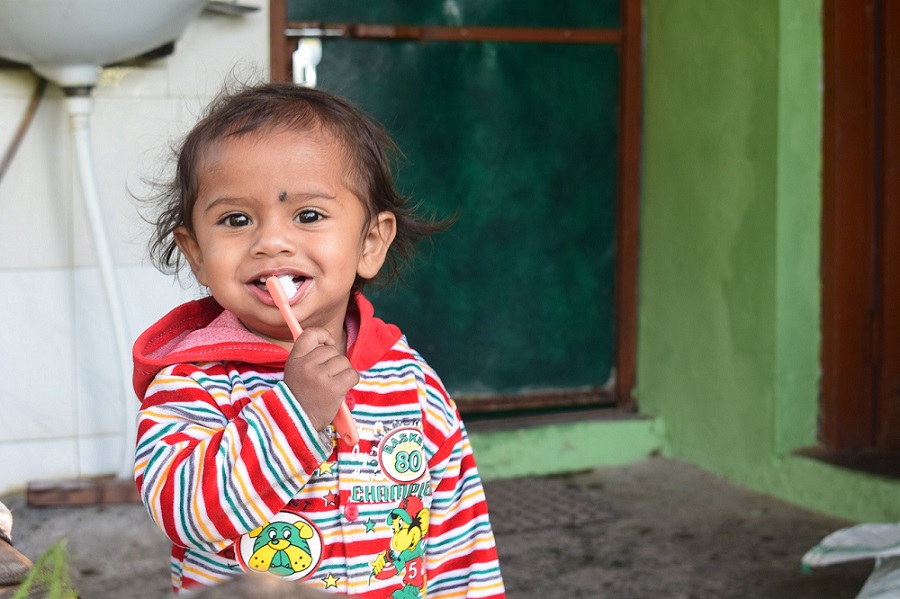
Child oral health is a human right; yet millions of children around the world still suffer from preventable dental diseases. From untreated cavities to limited access to toothpaste, fluoride, or dental care, the global burden remains severe. As economic pressures rise, sugar consumption increases, and public health systems struggle post-pandemic, the need to protect children’s oral health has never been more urgent.

Below, we examine why child oral health is at a critical crossroads, what past global declarations have achieved, and how integrating oral health into general health systems can drive meaningful, long-lasting change.

The Global Burden: Why Child Oral Health Needs Immediate Attention

More than 60–90% of children worldwide have dental cavities, and most remain untreated, especially in early childhood. Despite being preventable, dental caries remain one of the most widespread public health issues globally.

Several factors continue to fuel this crisis:

  • Limited access to dental care
  • High sugar consumption in diets
  • Lack of preventive oral health programs
  • Increasing marketing of sugary foods to children
  • Insufficient integration between oral health and general health systems

The Lancet Series and WHO have repeatedly highlighted these issues, yet progress has been uneven across countries.

What Global Declarations Have Achieved and Where They Fell Short

Early Milestones in Child Oral Health Advocacy

One of the earliest landmark efforts came in 2006, when a central Declaration on Child Oral Health urged countries to:

  1. Increase focus on children’s oral health
  2. Establish a global task force

This sparked significant collaborations, such as:

While these efforts drove progress, many initiatives lost momentum with political turnover and shifting priorities.

The 2013 Declaration: Defining Oral Health as a Human Right

A central turning point occurred in 2013, when the World Federation of Public Health Associations (WFPHA) approved a Declaration that identified what the “human right to oral health” truly means for children.

It outlined four fundamental rights:

  • Access to preventive materials like fluoride toothpaste and toothbrushes
  • Preventive interventions such as fissure sealants, fluoride varnish, and water fluoridation
  • Early treatment of dental caries
  • Protection from the marketing of unhealthy foods

Countries such as Mexico strongly embraced this, making daily school toothbrushing a statutory requirement, reaching 30 million children.

Sugar, Infant Formula, and Missed Prevention Opportunities

Research continues to reveal that many infant formula products contain as much sugar as carbonated soft drinks. For infants and toddlers, this presents a serious and under-recognized risk to oral health.

At the same time, the global rollout of sugar taxes, while positive for obesity prevention, rarely included oral health components. This lack of integration highlights the often fragmented nature of public health strategies, even when addressing shared risk factors, such as sugar.

COVID-19’s Impact: A Turning Point for Child Oral Health

The pandemic amplified every risk factor for poor child oral health:

  • Families faced economic hardship, which reduced their ability to afford essentials such as toothpaste, dental visits, and healthy foods.
  • Public services and school-based programs had been interrupted.
  • Higher consumption of low-cost, high-sugar foods became more common.
  • Access to dental care became more limited.

All indicators suggest that child oral health, already at crisis levels, will decline further unless prevention is prioritized.

Why Integration is Essential for Sustainable Oral Health Solutions

One of the most persistent barriers to progress is the disconnect between oral health and the wider public health community. In many regions, particularly in Africa and certain parts of Asia, there is a limited number of dental public health professionals within ministries or national health systems. Most specialists work in academia, leaving a significant gap in policy leadership.

This is where integrated health strategies become vital.

The Taiwan Declaration: A Framework for Integration

Launched in 2019 by the WFPHA, the Taiwan Declaration lays out six core principles and six priority actions to integrate oral health into general health promotion. It recognizes shared risk factors and encourages “oral health in all policies.”

Examples of successful implementation include:

  • Taiwan’s use of sin-tax funds from cigarette sales to support integrated oral health initiatives.
  • Joint medical-dental education programs in the United States.
  • Research in India shows links between diabetes, cardiovascular disease, and poor oral health.
  • Ethiopia’s Community Health Extension Program demonstrates how multi-skilled health workers can successfully integrate dental care in low-resource settings.

These examples reveal that integration is practical, cost-effective, and scalable.

Three Key Priorities for Ensuring Child Oral Health as a Human Right

1. Address the Economic Fallout of the Pandemic

Financial hardship is expected to worsen diets, reduce access to care, and affect the affordability of basic essentials, such as fluoride toothpaste.

2. Refocus on Prevention and Innovate

Essential prevention measures include:

  • Daily toothbrushing with fluoride toothpaste
  • Fluoride varnish
  • Fissure sealants
  • Water fluoridation

Countries should also invest in innovative preventive technologies and structural solutions that can continue to operate even during lockdowns.

3. Build Strong, Cross-Sector Alliances

Alliances must extend beyond the dental community to include:

  • Medical professionals
  • Public health leaders
  • Schools and educators
  • Government agencies
  • Community health workers

Working in silos has limited progress for decades. A unified approach is needed to accelerate action.

What are the Most Effective Prevention Investments Today?

In periods of economic pressure and limited public resources, the highest-impact, most cost-effective strategies include:

  • Automatic prevention systems like water fluoridation
  • Daily supervised toothbrushing in schools
  • Population-wide sugar reduction measures
  • Community-based preventive programs

Countries should also consider restructuring dental service budgets to incentivize prevention over treatment.

How Future Dental Professionals Can Support the Movement

Dentists-in-training often wonder how they can contribute to a global issue. The truth is: they play a vital role.

They can:

  • Collaborate with general practitioners and local health providers
  • Support school-based oral health education
  • Introduce new preventive innovations within their practice
  • Advocate for integrated care in their local communities

Every point of contact with a child or family is an opportunity to strengthen early prevention.

Raising the Profile of Oral Health in High-Burden Countries

In countries such as India, where the burden of disease is high and stakeholder engagement is low, progress depends on building strong relationships and unified advocacy.

Key steps include:

  • Engaging both dental and medical professional bodies
  • Educating policymakers on the consequences of poor child oral health
  • Developing creative, feasible prevention programs
  • Establishing consensus on early action areas

Alliances are formed through effective communication, shared goals, and a collective commitment.

Moving Forward: From Declarations to Action

The world does not need more declarations about child oral health. It needs implementation.

Upholding child oral health as a human right requires coordinated global action, centered on prevention, innovation, integration, and strong alliances. The lessons from past declarations, the urgency created by the pandemic, and the clarity offered by the Taiwan Declaration all point in the same direction:

Protecting children’s oral health is not optional. It is essential for their overall well-being, equity, and future.

Watch the original webinar here.