Climate Change and Public Health: Why the Climate Emergency Is a Health Emergency

Climate Change and Public Health: Why the Climate Emergency Is a Health Emergency

Climate Change and Public Health: Why the Climate Emergency Is a Health Emergency

News

Oct 14, 2021

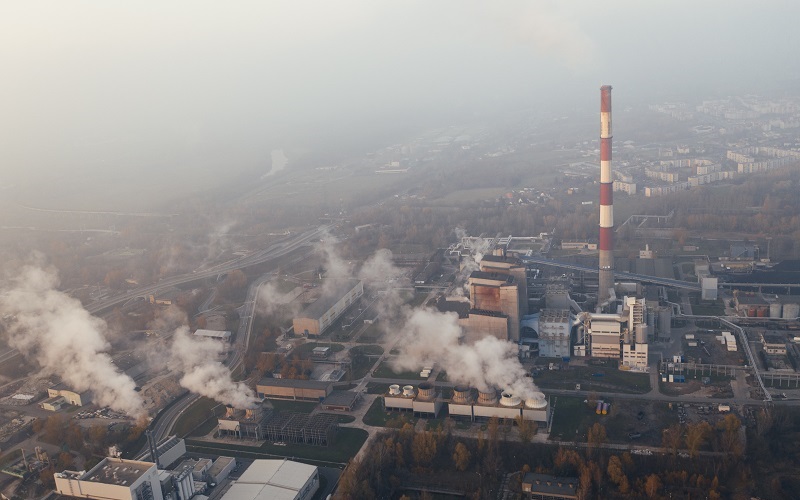
Climate change is no longer a distant threat. It is a present and accelerating crisis undermining health, safety, and well-being worldwide. As extreme weather intensifies, global temperatures rise, and environmental systems destabilize, the consequences for human health grow more severe. The World Federation of Public Health Associations (WFPHA) issues this call to action to highlight the urgent need for governments, institutions, and health leaders to confront the accelerating climate emergency with decisive, health-centered policies.

The Climate Crisis: A Global Failure With Human Consequences

Since the adoption of the Sustainable Development Goals (SDGs) in 2015, progress has been significantly hindered by accelerating climate change. Although solutions exist, global action has been too slow, fragmented, and insufficient to safeguard population health. Scientific evidence shows that:

  • Global warming is accelerating, driving extreme heat, catastrophic fires, severe storms, droughts, and flooding.

  • Disruptions across land, water, and ecosystems are worsening faster than anticipated.

  • Opportunities for meaningful intervention are narrowing, as climate extremes become more frequent and intense.

The health risks are profound. Climate change affects food security, water quality, air quality, housing stability, and economic livelihoods, all of which are critical determinants of health.

Children: The Most Vulnerable Victims of Climate Change

UNICEF calls climate change the defining challenge for children’s rights. Nearly 1 billion children live in areas at extremely high risk from climate impacts. Many face overlapping threats such as:

  • Flooding

  • Heatwaves

  • Water scarcity

  • Disease outbreaks

  • Poor air quality

Because children will experience climate impacts for longer and more intensively than adults, climate inaction constitutes severe intergenerational injustice.

Scientific Consensus: Human Influence Is Unmistakable

Despite decades of warnings, global emissions continue to rise. The IPCC confirms:

  • Each of the last four decades has been warmer than the one before.

  • Global temperatures have already increased by about 1.1°C above pre-industrial levels.

  • Warming over land is even higher, posing heightened threats to health and safety.

Recent climate disasters, including heatwaves, fires, and severe storms, would be nearly impossible without human-induced warming.

The Mounting Toll: Water Scarcity, Disasters, and Economic Loss

Freshwater scarcity, already affecting billions, is expected to worsen dramatically. Extreme weather events have increased fivefold in the past 50 years, causing:

  • 2.06 million deaths

  • $3.6 trillion USD in economic losses

  • Disproportionate impacts on developing nations

These inequities represent a profound moral and public health failure.

A Clear Path Forward: Mitigation and Adaptation

Even if emissions stopped today, warming would continue due to high atmospheric CO₂ levels. Therefore, climate resilience requires:

  • Mitigation – drastically reducing greenhouse gas emissions.

  • Adaptation – preparing health systems, communities, and infrastructure for unavoidable impacts.

Renewable energy, sustainable food systems, water preservation, and reduced consumption are essential pathways to a healthier, more resilient world.

The Economic Case for Climate Action

Climate mitigation not only protects lives but also yields immense economic benefits. Research shows that limiting warming to 2°C could prevent trillions in GDP losses annually and save millions of lives through:

  • Cleaner air

  • Healthier diets

  • Increased physical activity

  • Reduced climate-related disasters

The cost of inaction vastly outweighs the cost of solutions already available.

Global Inequity: Those Most Affected Contribute the Least

Low-income and climate-vulnerable countries face the most significant climate risks despite having contributed least to global emissions. Wealthier nations must:

  • Provide financial support

  • Honor climate finance commitments

  • Invest in research and adaptation

  • Address climate-related loss and damage

Mechanisms like the Green Climate Fund were designed for this purpose, yet contributions fall drastically short.

Strengthening the Public Health Response

Evidence gaps persist, especially in mental health, maternal health, child health, and impacts in low-income countries. Increased funding and research are urgently needed to guide effective interventions and support the world’s most vulnerable populations.

Why Immediate Action Is Essential

Climate change is harming health today and threatens to undermine the prosperity, safety, and stability of future generations. Governments, public health leaders, and community organizations must prioritize:

  • Strong emissions reduction targets

  • Rapid decarbonization

  • Climate-resilient health systems

  • Protection for vulnerable populations

  • Public health leadership at every level

The science is unequivocal: human activity is driving climate change, and political inaction threatens catastrophic outcomes.

A Call for Health-Centered Climate Leadership

Health must be at the center of climate policy. Governments hold a responsibility not only to their citizens but to the global community and to future generations. Climate change is a health emergency—and addressing it is both a moral and practical imperative.

The WFPHA reaffirms its commitment to advocate for a healthier future and urges all partners, organizations, and health professionals to join in the effort.

Who Must Act Now

This call to action is directed toward:

  • National and multilateral policymakers

  • Local and regional government officials

  • Public health associations and agencies

  • Health care leaders and emergency planners

  • Community organizations and NGOs

  • Urban planners, infrastructure specialists, and social service providers

  • Educational leaders and private-sector partners

These groups play essential roles in designing and implementing climate-healthy policies, reducing emissions, strengthening resilience, and protecting vulnerable populations.

Key Recommendations for Immediate Progress

  • Set and enforce ambitious emission-reduction targets.

  • Increase commitments to the Green Climate Fund and ensure contributions are fulfilled.

  • Hold governments accountable for policies affecting health.

  • Support decarbonization across energy, transportation, food systems, and investment markets.

  • Advocate for equitable compensation for climate-driven loss and damage.

  • Engage communities in developing localized resilience strategies.

  • Restore ecosystems critical to water, food, and mental well-being.

  • Integrate health considerations into all public policies.

Moving Forward Together

Climate change and public health are inseparable.

Recognizing this connection is essential to protecting lives and shaping a healthier, more equitable future. The WFPHA stands with global partners to demand immediate, effective, and equitable climate action, because the climate emergency is unequivocally a health emergency.

Policy Statement on Polio Eradication: The Last Battle?

Policy Statement on Polio Eradication: The Last Battle?

Policy Statement on Polio Eradication: The Last Battle?

News

Oct 12, 2021

Understanding Poliomyelitis and Its Global Impact

Poliomyelitis (polio) is an infectious viral disease that predominantly affects children under 5 years old. The virus spreads through person-to-person contact, primarily via the fecal-oral route or, less frequently, through contaminated food and water. It multiplies in the intestines and can invade the nervous system, causing permanent paralysis.

Approximately 1 in 200 infections results in irreversible paralysis, and 5–10% of paralyzed individuals die due to respiratory muscle immobilization. Despite this, 90% of infected individuals remain asymptomatic carriers.

There is no cure for polio; it is preventable only through routine childhood immunization.

Global Progress Toward Polio Eradication

In 1988, the World Health Assembly adopted a resolution calling for the worldwide eradication of polio, leading to the creation of the Global Polio Eradication Initiative (GPEI). National governments, the WHO, Rotary International, the CDC, UNICEF, the Bill & Melinda Gates Foundation, and Gavi, the Vaccine Alliance support this effort.

Since then, global cases of wild poliovirus have decreased by over 99%, from an estimated 350,000 cases in 2019 to 175 in 2020, and just 2 cases reported by mid-September 2021.

Countries Where Polio Remains Endemic

Polio remains endemic in Afghanistan and Pakistan (wild polio type 1, WPV1).

  • In Pakistan, 72 of 468 (15%) environmental samples tested positive in 2017. In 2020, 84 cases of WPV1 were reported, and by mid-September 2021, one case had been recorded.

  • In Afghanistan, WPV1 cases increased from 21 (2018) to 29 (2019) and 56 (2020). By mid-September 2021, one wild polio case had been reported.

WHO estimates that successful polio eradication will save USD $40–50 billion, while failure could result in 200,000 new cases annually within the next decade.

Recommendations to Address Current Challenges in Polio Eradication

Strengthen International Relations with Pakistan and Afghanistan

Pakistan and Afghanistan function as a single epidemiological zone due to significant cross-border population movements. Both countries have collaborated through joint Technical Advisory Group (TAG) meetings and have agreed to vaccinate children under ten at border points on the same day.

Further strategic efforts should include:

  • High-quality, large-scale vaccination campaigns targeting core reservoir areas.

  • Policies are shaped through collaboration between government and public-private partners, such as the National Highway Authority and media networks.

  • Support for ongoing WHO and partner engagement with the new Afghan government and authorities in Pakistan.

Reach Under-Immunized Children Using Innovative Approaches

Reaching under-immunized children remains a significant challenge due to vaccine refusals, operational gaps, difficulties in tracking mobile populations, and challenges in following up when children are not at home.

To strengthen reach and immunization quality:

  • Use digital tools such as GIS mapping and mobile-based monitoring to track outbreaks.

  • Redesign door-to-door campaigns to prioritize border entry and exit points.

  • Expand vaccination efforts to include non-health workers and migrant populations.

Maintain Continuity of Operations Across the Pakistan–Afghanistan Region

Although GPEI operations in Pakistan are well funded, efficiency is hindered by gaps in documentation within the public health delivery system. A lack of electronic immunization records complicates accurate tracking.

Key steps include:

  • Conduct all external reviews within the immunization indicator’s 28-day average lifespan.

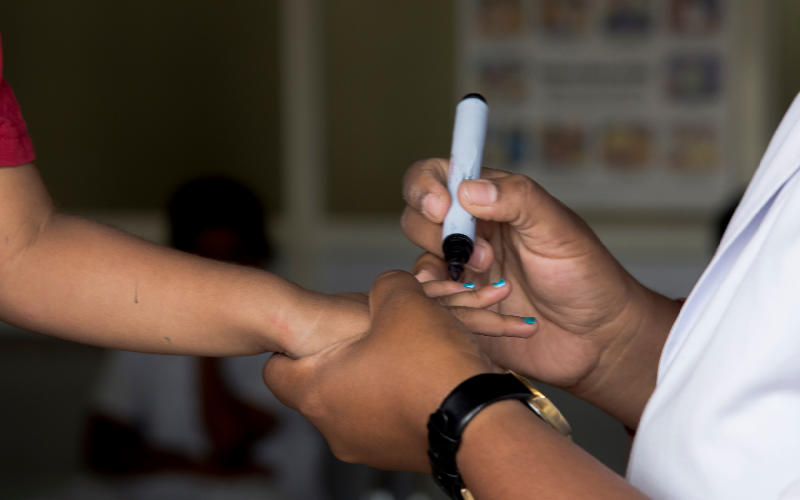
  • Supplement finger-marking with immunization cards and digital records.

  • Integrate polio surveillance with broader health services across both countries.

  • Provide community services (such as hygiene kits and maternal/child care supplies) during polio campaigns.

Address the Dual Challenge of Polio and COVID-19

In 2020, GPEI paused polio activities to redirect resources to the COVID-19 response, during which polio cases resurged (84 in Pakistan, 56 in Afghanistan).

To address this dual burden, revised operational procedures should include:

  • Water, Sanitation, and Hygiene (WASH) promotion

  • Non-pharmaceutical infection control (masks, sanitizers, thermometers)

  • Enhanced staff training for safe campaign implementation

Summary

Eradicating poliovirus in Afghanistan and Pakistan requires unified action across military, religious, governmental, and social institutions. It demands trans-disciplinary leadership that ensures transparent processes and upholds both security and primary health objectives. Strong national capacity is essential to meet global commitments and to ensure every child receives lifesaving vaccinations.

Key Messages

  • Polio is a highly infectious viral disease that attacks the nervous system and can cause irreversible paralysis and death.

  • There is no cure for polio; it can only be prevented through immunization.

  • Polio remains endemic in two countries: Afghanistan and Pakistan.

  • Failure to stop polio could result in as many as 200,000 new cases every year, for up to 10 years, across the world.

  • Eradicating polio will save lives and could save USD $50 billion in low-to middle-income countries.

  • Continued coordination among international organizations, NGOs, philanthropists, religious institutions, and governments is essential to eradicate polio finally.

References

1. World Health Organization. (2019, July 22). Poliomyelitis.

2. Global Polio Eradication Initiative. (2021, May 25). Polio + Prevention.

3. Elhamidi, Y., Mahamud, A., Safdar, M., Al Tamimi, W., Jorba, J., Mbaeyi, C., Hsu, C. H., Wadood, Z., Sharif, S., & Ehrhardt, D. (2017). Progress Toward Poliomyelitis Eradication – Pakistan, January 2016-September 2017. MMWR. Morbidity and mortality weekly report, 66(46), 1276–1280.

4. Polio Eradication Initiative. (2021). National Emergency Action Plan 2021.

5. Shah, S., Saad, M., Rizwan, M., Haidari, A., & Idrees, F. (2016). Why We Could Not Eradicate Polio from Pakistan and How Can We? Journal of Ayub Medical College Abbottabad – Pakistan, 28(2), 423-425.

6. Hussain, S.F., Boyle, P., Patel, P. et al. Eradicating Polio in Pakistan: an Analysis of the Challenges and Solutions to this Security and Health Issue. (2016). Global Health 12(63).

7. Pakistan, Pakistan Polio Eradication Programme, National Emergency Operations Centre. (n.d.). National Emergency Action Plan for Polio Eradication 2020.

WFPHA Working Groups: Welcoming New Chairs/Co-chairs and Thanking Outgoing Chairs

WFPHA Working Groups: Welcoming New Chairs/Co-chairs and Thanking Outgoing Chairs

WFPHA Working Groups: Welcoming New Chairs/Co-chairs and Thanking Outgoing Chairs

News

Aug 10, 2021

At WFPHA, our mission is to protect people, prevent diseases, and promote health and wellbeing. Our 10 diverse Working Groups help us achieve our mission through advocacy, collaborative work, and support. We are constantly overwhelmed by the efforts they put forth to uphold our mission and reach our universal goals.

Recently, we have had to say goodbye to two of our valued working group chairs, Prof. Raman Bedi (Oral Health) and Dr. Florian Stigler (Tobacco Control) as they take on their next venture. They have served us exceptionally well over the years, and we would like to thank them for their contributions within the WFPHA. They committed their time supporting WFPHA working groups and provided assisting through collective work and implementation. We appreciate their efforts and wish them a fruitful journey ahead.

As we say goodbye to some of our previous working group chairs, we also would like to give a warm welcome to those who have just joined: Hannah Marcus (Environmental Health), John Gannon (Tobacco Control), Leanne Coombe (Public Health Professionals’ Education and Training), and Timothy Mackey (Global Health Equity and Digital Technology).

We are excited to see the difference our new working group chairs/co-chairs will contribute to in global health. We hope this experience brings jubilation and achievement to both them and us!

Public Health Professionals’ Education and Training (PET) Policy: Ensuring a Trained Public Health Workforce

Public Health Professionals’ Education and Training (PET) Policy: Ensuring a Trained Public Health Workforce

Public Health Professionals’ Education and Training (PET) Policy: Ensuring a Trained Public Health Workforce

News

Aug 9, 2021

Globally, public health training primarily occurs through Master of Public Health (MPH) programs, although undergraduate and doctoral programs also exist. Although difficult to measure, globally public health teaching programs appear to be increasing in number. Accreditation of public health programs, however, remains inconsistent.

There are several locally developed public health competency sets, designed to guide the content of public health education programs and practice guidelines. A recent analysis has demonstrated that these competency sets align with the content and meaning of the Global Charter, with some including additional competencies driven by local (but globally relevant) need (including human rights, cultural responsiveness, and systems thinking) (Coombe et al, 2020). It is also worth noting that efforts are underway to include competencies related to climate change and holistic approaches, such as One Health (for example, WHO ASPHER, 2021).

Developing such competencies, as well as tackling hyper-specialized, fragmented, and “silo” learning models to influence complex webs of policy and governance, can be achieved through building interprofessionalism and interdisciplinarity.

Global Emergencies and the Demand for Public Health Workforce Training

In 2019–21, the world experienced massive transcontinental bushfires in both North and South America, the Arctic, and Australia; at least 20 major floods and cyclones, including Cyclone Amphan in Asia; severe droughts affected all continents (more than 10% of North America); earthquakes and landslides; volcanic eruptions; and infectious diseases, including the SARS CoV-2 pandemic. All these emergencies mobilized public health responses, highlighting the need for public health leaders and professionals to be involved at every level of emergency management and recovery planning and execution.

In the short or long term, the consequences of public health emergencies result in populations that are, in some ways, restricted or displaced, with associated threats to wellbeing, including the security of shelter, food and water provision, health care, income, gender equality, and education. Many aspects of universal progress towards the Sustainable Development Goals are disrupted when such emergencies arise. For example, analyses point to a regression in women’s progress as a result of epidemics (Power 2020, Özkazanç-Pan 2020).

During environmental and health emergencies, public health competence, including familiarity with its key principles, is essential to the management and subsequent recovery of people, their environments, and coexisting plants and animals. Most of these events have resulted in the mobilization of public health responses.

In addition, there is now evidence that public health graduate employers are seeking specific competencies in climate change and global warming, including climate change justice, climate mitigation, GIS mapping, and climate modelling (Krasna et al., 2020).

The Critical Role of Trained Public Health Departments

It is therefore critical that public health efforts are included in the mitigation and recovery plans developed for real-world use, but this is not possible if trained public health professionals do not staff public health departments, and if public health professionals are not part of routine governance and government processes. Results of the recent PHWINS survey in the USA showed that only 14% of public health staff had public health qualifications (Sellers et al, 2019). We note that in Australia, very few advertised public health jobs require public health qualifications (Watts et al, 2019).

In addition, public health graduates are employed in many sectors, not necessarily in the broad field of public health and health care or the government sector. There is a need to assess the labour market demand and develop public health job taxonomies which will clearly define governmental jobs and job profiles to enhance hiring of public health graduates (Krasna H et al, 2021), bearing in mind that the supply of graduates may outstrip current employment demand (Watts et al, 2021).

Challenges in Maintaining Public Health Programs

Public health is both reactive and proactive. However, public health initiatives can cause public health programs to become victims of their own success, because when public health initiatives work, the obvious and immediate need for them dissipates. Examples of successful programs include routine contact tracing in non-pandemic times, clean air and water initiatives, and accident-reduction programmes. Often, these initiatives are handed over to specialized departments, for example, women’s health and cancer screening programs.

Maintaining resources for routine public health program maintenance can be difficult when resources are limited and public interest and political imperatives wane. When interventions work well to prevent disease, it can seem as if nothing has happened, making the importance of sustained public health provision invisible to the general public.

Public health initiatives are also multifaceted; they often begin with straightforward epidemiology, but successful controls also draw on social epidemiology, health promotion, policy, cultural responsiveness, Indigenous knowledges, systems thinking, advocacy, and capacity building. The WFPHA Global Charter can be applied to any public health problem and used to identify gaps and shortfalls in short- and long-term responses.

Arguably, management of the ongoing SARS-CoV-2 pandemic has been hampered in many places by inappropriate, fragmented, partial, and incomplete application of public health initiatives.

Example of an Outbreak Response Lacking Public Health Coordination: Housing Tower Lockdowns in Melbourne

During the COVID pandemic, on the afternoon of July 4th in Melbourne, and early in Melbourne’s “second wave,” with no warning, a group of nine public housing tower blocks housing around 3,000 people were completely locked down. The towers had been identified as central to the transmission of SARS-CoV-2 and also connected to other transmission sites. This was the first time emergency powers in relation to the pandemic had been enacted in Victoria.

Residents were immediately confined to their homes, not allowed to leave even for necessities such as medicines and infant formula. Following testing, although rules were relaxed somewhat in eight blocks, residents of one tower remained confined for two weeks. The tower blocks house a multicultural group of residents, many of whom arrived as asylum seekers and refugees, for whom English is not a first language, and for whom having members of the security services patrolling their homes, with whom they were not able to effectively communicate, was frightening.

The decision to lock down the towers was made by the Victorian Government, which, although acting on broad public health advice, was made at speed and without apparent consultation with public health staff. Whilst the appropriate health officer signed the orders, it was with insufficient time to discuss the implications of this action.

An ombudsman investigation into the way this was conducted showed that whilst the need to lockdown might have been necessary, the way it was carried out, without due consideration of the impact on residents, breached their human rights.

Despite Australia’s SARS-CoV-2 response being an example of a reasonably well-controlled outbreak response, it has nevertheless encountered challenges with far-reaching implications when public health-trained staff were not involved in incident management. This example shows that, even in a country with a trained core public health workforce, poor communication between departments when public health responses are not implemented and coordinated by public health professionals can have far-reaching implications.

Importance of Public Health Workforce Training Across All Units

Public health is a discrete part of health service provision, with its own specialist training. Some critical aspects of public health have developed as sub-specialities (for example, epidemiology and biostatistics, vaccination and immunization, and health promotion) in the same way that other health specialities have. However, the successful implementation of public health programs requires an understanding of all aspects of public health.

It has been noted that public health units in various countries are led by people with little or no public health training, a factor that has been considered by public health organizations in the past, including the WHO and the WFPHA (Sadana 2007, WHO 2006). As there is a potential oversupply of public health graduates, public health units need to prioritize employing public health-educated graduates to prevent them from being lost to other employers and missing meaningful change-agent opportunities (Watts et al., 2021; Krasna et al., 2021).

We propose that the importance and visibility of public health can be improved if appropriately trained people are included in all plans, directly or indirectly, that involve the health of whole populations.

We note that not all public health education programs are based on public health competencies and are not all accredited courses, potentially leading to inconsistencies in course content and delivery (Watts et al., 2021). We therefore also propose that public health education draws on practical experiences from service provision, where possible through teaching staff having government public health service provision, including through joint appointments, and that all public health teaching programmes should be based on a locally appropriate set of competencies, and that public health courses should be accredited. This will provide graduates with a set of knowledge and skills on which employers can rely.

Recommendations

  • The WFPHA endorses the need for all jurisdictions working with populations affected by emergencies to employ staff who have been appropriately trained in public health.

  • That WFPHA endorses the inclusion of staff trained in public health (both during the development of public health plans and programmes designed to manage responses to public health emergencies, and during regular activities), whether the need arises from environmental or pathogenic causes.

Actions Sought

  • The WFPHA petitions its members, including their managers, to demonstrate the importance of undertaking training in accordance with a set of public health competencies that align with the WFPHA Global Charter.

  • The WFPHA petitions its members to ensure that those teaching in core areas of public health are appropriately trained in the discipline of public health, in accordance with a set of public health competencies that align with the WFPHA Global Charter.

  • The WFPHA, through the PET working group, identifies and distinguishes between foundational and specialized competencies for the purpose of accrediting varying programme levels (undergraduate, postgraduate, and doctoral levels), similar to the CEPH mechanism in the USA, to both harmonize public health training globally and distinguish between public health training and the more hyper-specialized and fragmented learning models.

  • The WFPHA develops a mechanism to endorse public health competency sets for accreditation of public health education and training programs.

  • That WFPHA lobbies the WHO to recommend that appropriately qualified people staff public health departments and teaching programs.

References

Coombe L, Severinsen C, Robinson P. Practical competencies for public health education: a global analysis. International Journal of Public Health. 2020, 65: 1159–1167.

Krasna H, Czabanowska K, Jiang S, et al. The Future of Careers at the Intersection of Climate Change and Public Health: What Can Job Postings and an Employer Survey Tell Us?. Int J Environ Res Public Health. 2020;17(4):1310. Published 2020 Feb 18. doi:10.3390/ijerph17041310

Krasna H, Czabanowska K, Beck A, Cushman LF, Leider JP. Labour market competition for public health graduates in the United States: A comparison of workforce taxonomies with job postings before and during the COVID-19 pandemic. Int J Health Plann Mgmt. 2021;1–17. https://doi.org/10.1002/hpm.3128KRASNA ET AL.-17.

Lomazzi M. A Global Charter for the Public’s Health—the public health system: role, functions, competencies and education requirements. European Journal of Public Health, 2016:26:2: 210–212. doi.org/10.1093/eurpub/ckw011

Özkazanç-Pan B, Pullen A. Gendered labour and work, even in pandemic times. Gend Work Organ. 2020 Sep; 27(5): 675–676. doi: 10.1111/gwao.12516

Power K. The COVID-19 pandemic has increased the care burden of women and families. 2020. Sustainability: Science, Practice and Policy, 16:1:67-73.doi.org/10.1080/15487733.2020.1776561

Sadana R, Mushtaque A, Chowdhury R, Petrakova A. Strengthening public health education and training to improve global health. Bull World Health Organ. 2007 Mar; 85(3): 163.doi: 10.2471/BLT.06.039321.

Sellers K, Leider J, Gould E, Castrucci B, Beck A, Bogaert K, Coronado F, Shah G, Yeager V, Beitsch L, and Erwin P. The State of the US Governmental Public Health Workforce, 2014–2017. American Journal of Public Health 2019,109: 674-680.

United Nations. United Nations Sustainable Development Goals. Developed for release in 2015. Cited 12/02/2020 

WFPHA. The Global Charter for the Public’s Health. World Federation of Public Health Associations, 2020. Cited 05/01/2021.

Watts RD, Bowles DC, Fisher C, Li W. Public health job advertisements in Australia and New Zealand: a changing landscape. Australian and New Zealand Journal of Public Health: 2019, 43(6):522-428.

Watts RD, Bowles DC, Fisher C, Li W. The growth of Australian public health graduates and courses, 2001-2018: implications for education and employment opportunities. Australian and New Zealand Journal of Public Health. Early View, First published: 22 February 2021.

WHO. World Health Report 2006: Working Together for Health. Geneva: World Health Organization; 2006. (Cited 26/02/2021)

WHO. WHO-ASPHER Competency Framework for the Public Health Workforce in the European Region. 2020. WHO Regional Office, Copenhagen, Denmark. (Cited 20/03/2021 at https://www.euro.who.int/__data/assets/pdf_file/0003/444576/WHO-ASPHER-Public-
Health-Workforce-Europe-eng.pdf.)

WHO. Essential public health functions, health systems and health security: developing conceptual clarity and a WHO roadmap for action. Geneva: World Health Organization; 2018. Licence: CC BY-NC-SA 3.0 IGO. (Cited 05/01/2021 at https://apps.who.int/iris/bitstream/handle/10665/272597/9789241514088-eng.pdf?sequence=1&isAllowed=y.)

The Value-Based Vaccination Approach: Strengthening Sustainable Healthcare Systems

The Value-Based Vaccination Approach: Strengthening Sustainable Healthcare Systems

The Value-Based Vaccination Approach: Strengthening Sustainable Healthcare Systems

News

Jun 29, 2021

Healthcare systems worldwide are under pressure to optimize resources while still delivering high-quality, patient-centred care. Achieving long-term sustainability requires a shift toward frameworks that support financial efficiency and improved health outcomes. Value-based vaccination, a core application of value-based healthcare, provides a comprehensive framework for evaluating the broader impact of vaccines across personal, societal, allocative, and technical dimensions.

First introduced in 2010, value-based healthcare initially centered on efficiency and on health gains relative to resources invested.

Today, the concept is broader and built on four interconnected pillars essential for solidarity-based healthcare systems:

  • Personal value: Ensuring vaccination aligns with individual goals and patient needs.

  • Societal value: The contribution of vaccination to community wellbeing, social participation, and collective protection.

  • Allocative value: Equitable distribution of vaccination resources across populations.

  • Technical value: The efficiency and effectiveness of vaccination strategies.

When applied to vaccination, these four pillars highlight benefits that go far beyond disease prevention. Vaccination generates productivity gains, reduces care needs, offers community protection (including herd immunity), and strengthens social cohesion. These broad benefits contribute directly to the Sustainable Development Goals by fostering healthier, more economically stable societies.

Increased investment in vaccination programs, coupled with greater recognition of the full value of vaccines, will save lives, reduce long-term costs, and improve health outcomes across the life course. Vaccination should therefore be viewed not only as disease prevention, but as a high-value public health investment.

This report synthesizes evidence on the personal, societal, allocative, and technical pillars of value-based vaccination. It provides recommendations for advancing meaningful policy actions that reflect the full value of vaccines.

Issue

Healthcare systems must optimize resources while maintaining patient-centered care. Sustainability efforts must evaluate financial realities and quality improvements. Value-based vaccination supports this balance by ensuring decisions reflect outcomes that matter to individuals, communities, and health systems as a whole.

Approach

A systematic review of English-language literature published between December 24, 2010, and May 27, 2020, was conducted across three central scientific archives. Studies were included if they addressed the value of vaccination against vaccine-preventable diseases and were conducted in advanced economies, as defined by the International Monetary Fund.

A detailed analysis was conducted of studies in which value was a key focus. A steering committee of international vaccination experts contributed additional insights and helped develop recommendations.

Results

The review identified 107 studies, with the following trends:

  • 72.9% were primary research studies.

  • Approximately half directly addressed the value.

  • 83.3% evaluated only one value pillar.

  • Two-thirds focused on technical value.

  • Only 11.1% addressed allocative value, and 16.7% addressed societal value.

Key findings include:

  • Technical value is typically evaluated through cost analyses (cost-effectiveness, cost-utility, cost-benefit, cost-of-illness, and budget impact). Still, these traditional economic models often fail to capture the broader societal benefits of vaccination.

  • Personal value is most often assessed through attitudes, preferences, and perceptions—essential factors for improving vaccine uptake.

  • Societal value encompasses indirect protection (herd immunity), reduced antimicrobial resistance, social responsibility, cohesion, and overall population well-being, all of which require further evidence.

  • Allocative value is often limited to affordability but should also encompass equity, accessibility, and appropriate resource allocation.

Recommendations

The steering committee and evidence synthesis generated the following recommendations to support value-based decision-making for vaccines.

Decision-Making Process

  • Develop capacity-building initiatives for researchers and policymakers to strengthen the integration of value-based vaccination in decision-making.

  • Embed all four pillars of value into national, regional, and supranational vaccine policy frameworks.

  • Improve governance by increasing collaboration between authorities, health professionals, scientists, citizens, and industry.

  • Promote shared decision-making across all stakeholders involved in vaccination programmes.

Research

  • Build consensus on the dimensions of the four value pillars as they apply specifically to vaccination.

  • Identify barriers to assessing the full value of vaccines.

  • Expand and translate research on the broad societal impact of vaccination.

  • Strengthen evidence generation to support evidence-based vaccine policy and post-implementation evaluation.

  • Develop tools and models that enable HTA and related frameworks to more accurately assess the full value of vaccination.

  • Foster innovative public–private partnerships that support sustainable vaccine development.

Public Engagement

  • Identify key levers that can increase public understanding of the full value of vaccination.

  • Improve vaccination literacy among healthcare professionals and the general population.

  • Develop and test strategies that actively engage communities in vaccination efforts.

Moving Forward to Strengthen Value-Based Vaccination

Integrating the full spectrum of value (personal, societal, allocative, and technical) is essential for strengthening sustainable healthcare systems and unlocking the broad benefits of vaccination. By enhancing evidence generation, improving decision-making frameworks, and elevating public engagement, value-based vaccination can support healthier, more resilient societies for generations to come.