Bombing in Iran and the Middle East

Bombing in Iran and the Middle East

aerial view of city buildings during daytime

THE WFPHA Statement Condemning the Bombing in Iran and the Middle East 

News

Mar 3, 2026

The World Federation of Public Health Associations (WFPHA) strongly condemns the recent actions by Israel and the United States of America, which initiated an act of war that was without any justification under international law, is contrary to the UN Charter, and has led to the widespread loss of life in Iran and the Middle East. 

The WFPHA unequivocally rejects all acts of war and political violence. This comes alongside a strain of work in peace and health, such as the Treaty on the Prohibition of Nuclear Weapons, as well as Palestine and Venezuela more recently. Bombing as a tool of foreign policy and regime change places civilians – families, children, healthcare workers, and entire communities – directly in harm’s way, undermining the most fundamental public health principles and human rights. 

Public safety is the number one public health issue of our time. Yet military actions like these do not increase public safety. They do not protect populations from harm; they expand the scope of suffering, endanger health systems, increase displacement, and worsen long-term physical and mental health outcomes for millions. Violence and war disrupt vital services, destroy infrastructure, and set back progress on health, equity, and security for entire populations. 

We reaffirm that safety is inseparable from peace. Sustainable public safety and the health of individuals and communities cannot be secured through bombing campaigns, targeted killings, or escalation of conflict. Evidence and history alike show that militarized approaches to conflict often entrench cycles of violence and instability rather than resolve underlying causes. 

The WFPHA stands in solidarity with all people affected by this crisis and urgently calls on: 

  • Immediate de-escalation of military operations and cessation of all hostilities.
  • A shift toward peaceful diplomacy, conflict resolution, and dialogue grounded in international law and human rights.
  • Protection of all civilians and civilian infrastructure in accordance with international humanitarian law.
  • Global leadership focused on public health, human security, and the prevention of violence, not its expansion. 

We recognize that war is a leading threat to life and population safety on the planet, rivaling climate change, pandemics, and environmental degradation as global health emergencies. The loss of life in Iran, whether civilian or political, is a human tragedy. It must serve as a stark reminder that violence is never a path to health, justice, or well-being. 

Public health demands peace. Public safety demands peace. Humanity demands peace. 

View all of our policies on war and peace here.

COVID-19 and Disability

COVID-19 and Disability

The Disability Pandemic: What COVID Revealed About Who Gets to Live

News

Jun 1, 2022

The pandemic has been a brutal reminder that disabled people don’t matter. Living through this, as a disabled person with a wonky immune system, has been a reminder that my life doesn’t matter to most.

Where I do matter is in my disability community, the community of people at such risk of this deadly disease who have rallied and worked together to protect ourselves. After two years of lockdowns, fear, forgetting, and being ignored, my nerves are sanded raw. A new variant is announced. Restrictions for me creep back in. I’m left wondering if this is how it will be from now on: no more music, no more crowds, no more indoor anything really, and maybe no more footy. For the rest of my life.

The past two years, and the many before them, showed me that I can build a life in four walls. I can survive terrible things. But isolation is not neutral. It wears you down. And what the disability pandemic has shown is that survival often depends less on government systems and more on each other.

What Is “The Disability Pandemic”?

The disability pandemic refers to the disproportionate risk, neglect, and systemic exclusion experienced by disabled people during COVID-19—especially in access to healthcare, vaccination, social supports, and public policy decisions.

While COVID-19 was a global crisis, its impact was not evenly distributed. In Britain, 60 per cent of those who died from COVID were disabled people. In Australia, that data isn’t properly collected. We aren’t counted.

Instead, we are hidden behind phrases like “underlying health conditions.”

Who is valued?
Whose life is worth saving?
Who gets the ventilator?
Who is triaged out?

These questions were not abstract for disabled people. They were immediate and terrifying.

“You Would Die”: Locking Down Before the World Did

In February 2020, my GP was kind but blunt.

You have to go into lockdown now, she told me. This virus is very serious for you. With all your…and she waved her hands to indicate my entire body. You can’t get this. You would die.

I walked home along Katoomba Street, my stick pressing into the pavement, navigating around people suddenly rendered dangerous. I closed the door to my flat and would not go out again for five months.

A few years earlier, my heart had failed. Doctors stood at the end of my hospital bed and told me I was about to die. It turned out I didn’t want to.

I did everything they told me: restricted fluids, cardiac rehab, and medication. I would place my hand over my heart and whisper to it, willing it to keep beating. Eventually, it did.

During COVID, that same adrenaline-fuelled panic returned. Every surge in cases meant locking down weeks before everyone else. Checking supplies. Preparing to disappear again. This time, I could only control my small part. The rest depended on whether everyone else also didn’t want me to die.

I wasn’t entirely confident.

Living in Two Worlds During COVID

The disability pandemic created a strange split reality.

In one world, things became more accessible than ever. Meetings moved online. Arts events went virtual. I could give evidence to a royal commission without having to navigate inaccessible spaces. For once, everyone was on screen, not just me stuck on someone’s phone in the corner.

In the other world, my supports collapsed. I didn’t see another person for months. Gym and physio disappeared. My arthritis tightened its grip. When I couldn’t get food, I cobbled together strange cupboard meals. When I was lonely, I didn’t say it out loud.

On screen, no one saw my disfigured skin or wonky hands. They didn’t see me limping. In screen-land, I looked like everyone else. That virtual erasure made it harder to explain what was happening behind the camera.

The social model of disability tells us that when environments become accessible, we become less disabled. But during COVID, accessibility sometimes masked a crisis.

Triage Fears and the Shadow of Eugenics

Early reports from overwhelmed health systems overseas raised another fear: rationed care.

Disabled people around the world spoke about being triaged out. Alice Wong imagined a doctor reading her chart and deciding she was a waste of precious resources.

Those fears were not paranoia. They were rooted in history.

Australia has a long record of institutionalizing disabled people. Eugenics found fertile ground here. The Immigration Restriction Act of 1901 excluded people based not only on race, but also on mental and physical health.

Writer Amanda Tink observed that eugenic thinking did not end with World War II; it mutated.

During COVID, people across the political spectrum argued for policies that placed disabled people at higher risk of dying, then shouted at us when we objected.

If disabled people are the ones dying, then the pandemic can feel like it’s happening somewhere else, to someone else.

That is the quiet logic of the disability pandemic.

Government Failure and Community Response

When the pandemic hit, disabled people began making frantic calls:

  • I can’t get food.

  • My supports have stopped.

  • I can’t afford essential medication.

  • What are the rules?

  • What is Telehealth?

Fifteen to twenty per cent of the population was effectively forgotten.

Advocacy organizations (many run by disabled people) scrambled to respond while facing the same barriers themselves. Governments stonewalled. Complaints were redirected. Concerns were minimized.

The Disability Royal Commission later found that failure to consult disabled people in early pandemic planning led to neglect of our needs during an unprecedented emergency.

The vaccine rollout repeated the pattern. Disabled people were told we were prioritized. In practice, many could not access vaccines. Some group homes were among the last to receive them.

“Everything’s fine,” governments said.

Everything bloody well was not.

Disabled Mutual Aid: Webs of Care That Kept Us Alive

While governments faltered, disabled people organized.

Online groups became information clearinghouses. People translated public health orders. Shared state-by-state updates. Explained income support changes. Crowdfunded emergency funds. The Disability Justice Network of Australia distributed over $40,000 (mostly raised by disabled people for disabled people).

Writer Leah Lakshmi Piepzna-Samarasinha calls these networks “webs of care.” The ways we kept each other alive during COVID, they argue, were nothing short of heroic.

This is what the disability pandemic revealed most clearly: we survive because we build each other’s safety nets.

Not as charity. As solidarity.

First Peoples With Disability and Vaccine Inequity

The failures were even sharper for First Peoples with disabilities.

Damian Griffis, CEO of First Peoples Disability Network, warned that First Nations people with disabilities were at risk of being triaged out or receiving inadequate support. Vaccine access required centre-based appointments, which were not accessible to many.

The fear was justified. The rollout repeatedly failed to reach those most vulnerable.

The disability pandemic intersects with colonial history. Australia’s federation was built on exclusion: white, able, male. That foundation shapes who is visible, who is protected, and who is forgotten.

Freedom for Whom?

I watch people chanting about their freedom and think about what I’ve lost.

Will I ever go to the footy again? I’ve been going to AFL games since I was a kid, sneaking into Princes Park, singing “We are the Navy Blues,” watching my grandmother yell at Hawthorn.

The idea that I might never sit in a crowd again is unbearable.

I have had three vaccine doses. But the people in the ICU, while vaccinated, the ones dying, are people like me. People with “underlying health conditions.”

Friends make complicated plans to see me. Rapid tests. Isolation before visits. Carefully rationed social contact.

Is this how it will be now?

Flavia Dzodan asks what it means to protest public health measures in a country built on occupying space by obliterating others. The question lingers.

Freedom, during the disability pandemic, often meant freedom from considering us.

The Small Things That Are Everything

Leah Lakshmi Piepzna-Samarasinha writes that sometimes we think we must save the world, and anything less is nothing.

But we, in our small crip circles, are the world.

The small, low-key things we do to keep each other alive are nothing. They are everything.

That is the quiet lesson of the disability pandemic.

Disabled people have always built networks of care. We will continue to. These webs will endure beyond COVID, beyond the next crisis, beyond the next wave of forgetting.

We survive because we refuse to let each other disappear.

About the Author
El Gibbs is an award-winning writer and disability advocate. Her work has featured in Growing up Disabled in Australia, Overland, Eureka Street, and Croakey.

Provision of Oral Health Care for the Institutionalized Elderly

Provision of Oral Health Care for the Institutionalized Elderly

Oral Health Care for the Institutionalized Elderly

News

May 18, 2022

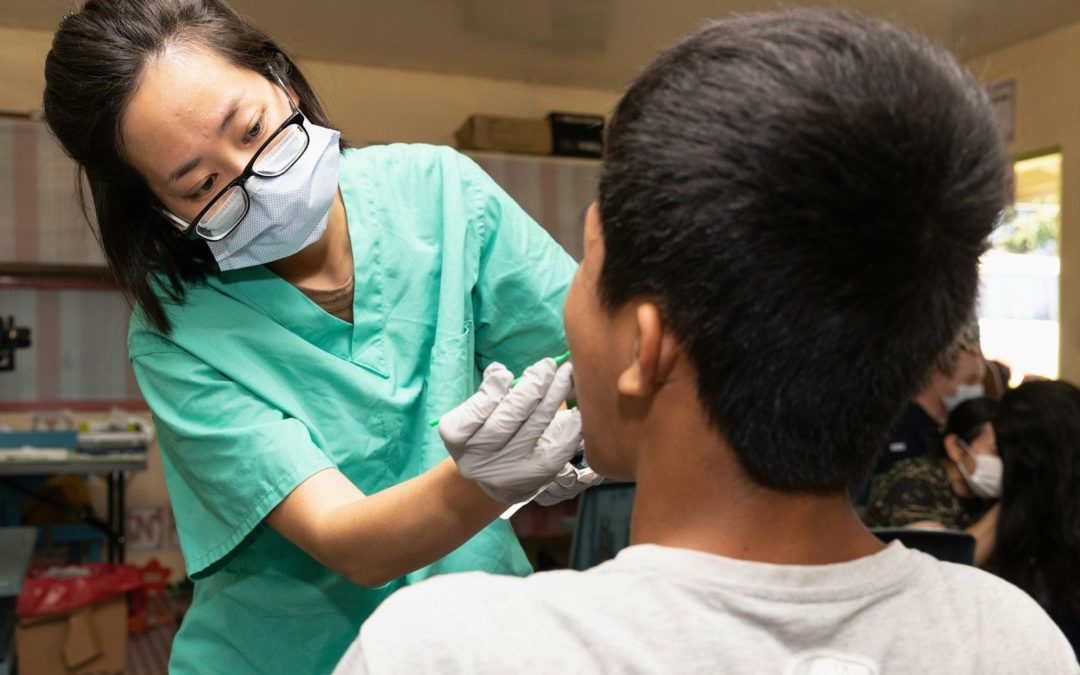
Life expectancy has risen significantly across most countries over the past two decades, according to the World Health Organization Global Health Estimates. At the same time, older adults (particularly in countries such as the United States) are far more likely to retain their natural teeth into later life.

While this reflects progress in preventive dentistry, it also introduces new clinical and public health challenges. Without consistent and effective oral hygiene support, poor oral health can intensify systemic conditions and increase health risks, especially among residents of long-term care facilities.

This makes oral health care for the institutionalized elderly a growing global priority.

When Oral Health Declines, Overall Health Follows

For elderly individuals in residential care, oral health is not a cosmetic issue; it is directly connected to chronic disease management and survival outcomes.

Research has linked inadequate oral hygiene with:

  • Worsening Type 2 diabetes

  • Increased risk and progression of dementia

  • Higher incidence of hospital-acquired and aspiration pneumonia

  • Greater levels of frailty

Residents in care homes are particularly vulnerable. Many depend on carers for daily hygiene routines, and compromised immune systems amplify the consequences of neglected oral care.

Featured Snippet Summary

Why is oral health care important for institutionalized elderly people?
Poor oral hygiene can worsen diabetes, increase dementia risk, raise the likelihood of pneumonia, and contribute to frailty, particularly among elderly residents who rely on caregivers for daily support.

Recognition at Policy Level: Governments Begin to Respond

Several countries have formally acknowledged the gap in oral health provision within aged care systems.

In England, the National Institute for Health and Care Excellence published guidelines addressing oral health for adults in care homes. This was followed by a review by the Care Quality Commission, which found that many care home owners and staff were unaware of how to ensure that residents’ daily oral hygiene met acceptable standards.

Subsequently, NHS England introduced the Framework for Enhanced Health in Care Homes, followed by a government-issued oral health toolkit for adults in care homes.

In the United States, the comprehensive Smiles for Life curriculum, developed by Smiles for Life, includes a geriatric dentistry module designed to strengthen clinical knowledge.

Earlier pilot initiatives had already demonstrated that structured intervention could improve outcomes. However, scaling those efforts remains an ongoing challenge.

Access Barriers: When Residents Need a Dentist

Daily hygiene is only one component. Access to professional dental services remains a persistent obstacle in many care facilities.

Transport limitations, workforce shortages, and medical complexity often delay in-person dental visits. In response, teledentistry has emerged as a promising solution.

Recent implementations in:

  • France

  • Japan

  • Australia

have demonstrated that remote consultations can support preliminary diagnosis and clinical advice. Digital tools reduce unnecessary transfers while improving timely assessment.

Featured Snippet Summary

How can teledentistry support oral health care for older adults in institutional settings?
Teledentistry enables remote consultation, preliminary diagnosis, and professional advice without requiring residents to travel, improving access and reducing delays in care.

Technology as a Force Multiplier

Emerging technologies are further expanding possibilities.

Research on the evaluation of mobile phone images by off-site dental practitioners has demonstrated effectiveness in screening schoolchildren. Similar approaches can be adapted for aged care settings.

Additionally, real-time artificial intelligence tools, such as Smilio.ai, offer innovative, cost-efficient, and person-centred opportunities to screen for oral diseases in institutional settings.

These tools do not replace clinicians. Instead, they enhance early detection, streamline referrals, and make oral health care for institutionalized older adults more scalable.

Workforce Integration: Training Beyond Dentistry

Sustainable improvement depends on empowering those already providing daily care.

In the United Kingdom, Knowledge Oral Healthcare delivers oral health training to nurses, allied health professionals, and carers in the aged and disability sectors. In Australia, Seniors Dental Care Australia provides similar programs.

A notable systems-level intervention occurred within the U.S. Department of Veterans Affairs, where oral health care was integrated into inpatient services via the nursing workforce. Translating research into clinical practice resulted in measurable improvements in oral hygiene and significant reductions in hospital-acquired pneumonia.

This model demonstrates that embedding oral health responsibilities into existing care frameworks can yield substantial public health gains.

Advocacy and Public Accountability

Policy reform is often accelerated through coordinated advocacy.

In Australia, twelve key stakeholder organizations (including the Public Health Association of Australia and the Australian Dental Association) issued a joint media release on World Oral Health Day, prior to the federal election, calling for stronger aged-care oral health strategies.

The Australian Dental Association’s “Stop the Rot” campaign further highlights the need for systemic reform in aged care.

Media engagement has also played a role. The Australian Health Journal released a World Oral Health Day video advocating for the prioritisation of oral health in aged care and disability services.

The Demographic Reality We Cannot Ignore

As life expectancy increases and more older adults retain their natural dentition, oral health demands will intensify rather than decline.

Improving oral health care for the institutionalized elderly requires coordinated effort from:

  • Governments

  • Aged care providers

  • Dental practitioners

  • Nurses and allied health professionals

  • Consumer and advocacy organizations

Innovation in teledentistry, mobile imaging, and artificial intelligence offers meaningful opportunities. However, technology alone cannot resolve systemic gaps. Policy alignment, workforce training, and sustained political commitment remain essential.

Closing Perspective

The evidence is clear: oral health is inseparable from general health. For elderly residents in institutional care, neglecting the mouth risks compromising the whole person.

Ensuring high-quality oral health care for the institutionalized elderly is fundamental to maintaining dignity, preventing disease, and achieving equitable health outcomes in ageing societies.

By Kenneth Eaton & Leonie Short

Mental Health: A Priority

Mental Health: A Priority

Mental Health a Priority for the Global Healthcare Workforce

News

Mar 9, 2022

The COVID-19 pandemic placed extraordinary pressure on health systems worldwide, and nowhere has this strain been more visible than in the mental health and well-being of healthcare workers. As the world confronts the aftermath of COVID-19 and future public health emergencies, making mental health a priority for healthcare professionals is no longer optional. It is essential for patient safety, workforce sustainability, and health system resilience.

This article provides an evidence-based overview of the mental health challenges faced by healthcare workers during crises, with particular attention to COVID-19. It also outlines practical, organizational, and policy-level actions needed to protect and promote mental well-being in emergencies and in routine care.

A Second Pandemic: Mental Health After COVID-19

While infection rates have declined in many regions, the psychological consequences of the pandemic continue to unfold. Communities worldwide are facing increased trauma, grief, substance use, loneliness, and economic insecurity. Within this broader crisis, healthcare workers are among the most affected groups.

Even before COVID-19, healthcare professionals faced high levels of occupational stress. The pandemic intensified existing vulnerabilities through prolonged workloads, repeated exposure to death and suffering, moral dilemmas, and personal risk of infection. As a result, mental health must be treated as a priority not only during crises but throughout recovery and rebuilding phases.

Stress, Burnout, and Psychological Harm in Healthcare Settings

Healthcare workers are routinely exposed to conditions that elevate psychological risk, including:

  • Long working hours and heavy workloads

  • Insufficient staffing and limited resources

  • Moral conflicts and ethical dilemmas

  • Workplace bullying or lack of social support

  • Limited control over work environments

These stressors contribute to burnout, anxiety, depression, sleep disorders, and trauma-related symptoms. Burnout, recognized by the WHO as an occupational phenomenon, is characterized by exhaustion, emotional detachment from work, and reduced professional efficacy.

Importantly, burnout not only harms workers. Research consistently links burnout to lower quality of care, increased medical errors, higher absenteeism, staff turnover, and reduced patient satisfaction. Making mental health a priority is therefore directly tied to patient safety and system performance.

Moral Injury and Vicarious Trauma on the Frontlines

Beyond burnout, healthcare workers frequently experience moral injury, a psychological distress resulting from actions (or inaction) that conflict with deeply held moral values. During crises, clinicians may be forced to make life-and-death decisions under resource scarcity, such as rationing ventilators or oxygen.

Moral injury is not itself a mental illness, but it increases vulnerability to depression, PTSD, suicidal ideation, and intentions to leave the profession. Similarly, vicarious traumatization, secondary trauma from empathic engagement with suffering patients, can lead to fatigue, emotional numbness, sleep disturbances, and despair.

Stigma, Silence, and the Risk of Suicide

Despite high levels of distress, many healthcare professionals suffer in silence. Stigma around mental illness, fear of professional consequences, and concerns about licensing or career advancement discourage help-seeking.

Global evidence shows elevated suicide rates among healthcare workers, particularly among women and certain medical specialties. Mental health struggles, burnout, and compassion fatigue are also leading drivers of workforce attrition worldwide. When healthcare workers leave or are lost to suicide, health systems lose irreplaceable skills, experience, and institutional memory.

Mental Health a Priority During Pandemics and Public Health Emergencies

COVID-19 magnified existing risks. Studies across dozens of countries report high prevalence of depression, anxiety, PTSD, sleep disturbances, and emotional exhaustion among healthcare workers during the pandemic. Women, nurses, frontline staff, younger workers, and those in low-resource settings were disproportionately affected.

Similar patterns have been documented during earlier outbreaks, including SARS, MERS, Ebola, and large-scale disasters. The evidence is clear: public health emergencies consistently produce long-lasting psychological harm among healthcare responders, particularly where protections and support systems are weak.

Why Mental Well-Being Is More Than the Absence of Diagnosis

Mental health is not defined solely by diagnosable disorders. Chronic stress, fear of infecting loved ones, overwork, moral conflict, guilt, and exhaustion can severely impair well-being even when diagnostic thresholds are not met.

Large longitudinal studies now underway will provide deeper insights into long-term impacts. However, existing evidence already justifies early intervention, prevention, and sustained support rather than waiting for clinical illness to emerge.

The Role of Self-Care in Sustaining the Workforce

Healthcare professionals are trained to prioritize patients, often at the expense of their own well-being. Yet research consistently shows that self-care is essential for resilience, compassion, and long-term effectiveness.

Effective self-care includes:

  • Self-awareness and emotional regulation

  • Maintaining sleep, nutrition, and physical activity

  • Mindfulness, relaxation, or spiritual practices

  • Strong social connections

  • Allowing emotional expression rather than suppression

Self-care supports not only individual well-being but also safer, more empathetic, and more sustainable patient care. However, self-care alone is insufficient without organizational and systemic support.

Moving Beyond Symbolic Support to Real Protection

Public displays of gratitude, such as applause or symbolic rewards, offer short-term recognition but do little to address the root causes of distress. Framing healthcare workers as “heroes” may even discourage help-seeking by reinforcing expectations of invulnerability.

What is needed instead are evidence-based prevention and intervention strategies, including:

  • Psychological first aid during crises

  • Accessible mental health services and self-help programs

  • Telemedicine platforms that reduce workload and isolation

  • Mindfulness-based stress reduction and resilience training

  • Peer support, reflective practice groups, and structured debriefing

Interventions such as WHO’s Self-Help Plus (SH+) demonstrate that scalable, non-diagnostic approaches can significantly reduce psychological distress in high-adversity settings.

Leadership, Culture, and Organizational Responsibility

No mental health strategy will succeed without a supportive workplace culture and leadership. Healthcare leaders must actively reduce stigma, normalize mental health discussions, and foster environments of trust, empathy, and inclusion.

Effective organizational measures include:

  • Reasonable limits on shift length and workload

  • Mandatory breaks and protected recovery time

  • Access to confidential mental health services

  • Non-punitive responses to medical errors

  • Trauma-informed leadership and supervision

Leadership that acknowledges moral dilemmas and supports ethical reflection plays a critical role in preventing moral injury.

Towards Systemic Change in Healthcare Systems

The pandemic exposed how fragile mental health systems are at precisely the moment they are needed most. Health systems must be redesigned to balance efficiency with humanity, and productivity with sustainability.

Global guidance emphasizes:

  • Whole-of-society approaches to mental health

  • Investment in long-term mental health infrastructure

  • Integration of healthcare workers’ voices through co-production

  • Addressing stigma as a systemic issue, not an individual failing

Making mental health a priority requires embedding well-being into policy, financing, workforce planning, and professional standards.

Policy Actions to Make Mental Health a Priority

Evidence supports the following actions:

  • Implement long-term, evidence-based mental health programs for healthcare workers

  • Ensure adequate staffing levels and fair compensation

  • Normalize help-seeking and protect confidentiality

  • Actively combat stigma within healthcare institutions

  • Involve frontline workers in policy design and decision-making

  • Invest in digital and innovative mental health solutions

  • Expand research on preparedness and long-term impacts

Conclusion: A Test of Global Commitment

Healthcare workers have carried societies through one of the most disruptive global crises in modern history. Protecting their mental health is not an act of gratitude; it is a responsibility.

Making mental health a priority for healthcare workers strengthens care quality, safeguards patients, and helps health systems withstand future crises. Failure to act carries personal, societal, and economic costs that no system can afford.

End the Genocide of the Yanomami People!

End the Genocide of the Yanomami People!

End the Genocide of the Yanomami People!

News

Dec 14, 2021

The Genocide of the Yanomami People is unfolding in real time. Indigenous communities in the Yanomami Indigenous Territory (TIY), located on the Brazil–Venezuela border, are facing systemic violence driven by illegal mining, environmental destruction, infectious disease, and the deliberate omission of state protection.

The World Federation of Public Health Associations (WFPHA), the Brazilian Association of Collective Health (Abrasco), and the Brazilian Association of Anthropology (ABA) jointly denounce the Brazilian Federal Government’s inaction and collusion in the escalating crisis affecting the Yanomami and Ye’kwana peoples.

What Is Happening in the Yanomami Indigenous Territory?

More than 20,000 illegal gold miners currently occupy and degrade Yanomami territory. Their presence has led to:

  • Destruction of forests, rivers, and food systems

  • Mercury contamination of water and bodies

  • The collapse of community life and traditional livelihoods

  • The spread of malaria, COVID-19, and other infectious diseases

Despite repeated warnings, the federal government failed to prevent mining activities, even during the COVID-19 pandemic, when miners became the primary vectors of disease transmission into isolated communities.

Why This Constitutes the Genocide of the Yanomami People

Genocide is not limited to mass killings. It includes the systematic destruction of the conditions necessary for life.

In the case of the Yanomami people, this destruction is evident through:

  • Forced exposure to lethal diseases

  • Environmental poisoning via mercury contamination

  • Dismantling of primary health care systems

  • Failure to remove known aggressors from Indigenous land

These conditions have been created and sustained through intentional state inaction, despite decades of evidence and legal obligations.

A History of Repeated Violence and Preventable Deaths

Infrastructure Projects and Epidemics (1970s)

During the construction of the Perimetral Norte (BR-210) highway, infectious diseases killed 22% to 50% of the Yanomami population in affected villages. These deaths were a direct consequence of imposed “development” without protection.

Gold Mining Invasions (1987–1990)

The invasion of miners triggered malaria epidemics and other diseases, killing at least 15% of the Yanomami population. The crisis was contained only after international pressure compelled the government to remove miners and implement an emergency health plan.

The Return of Illegal Mining and Policy Rollback

After nearly two decades of relative control, the deactivation of Funai Protection Bases and reduced territorial monitoring in the late 2000s enabled mining to surge again.

Yanomami and Ye’kwana organizations, including the Hutukara Yanomami Association and the Wanasseduume Ye’kwana Association, have repeatedly reported invasions, violence, and environmental degradation.

Mercury Contamination and Long-Term Health Damage

A 2014 study in the Paapiú and Waikás regions revealed high mercury exposure, particularly among:

  • Children

  • Women of reproductive age

At that time, approximately 5,000 miners were present. Today, that number has increased nearly fivefold, dramatically expanding contamination zones and health risks.

COVID-19, Malaria, and the Collapse of Indigenous Health Care

Illegal mining accelerated the spread of COVID-19 in the most environmentally degraded regions, Waikás, Kayanau, and Aracaçá, while malaria cases surged.

Between 2019 and 2021, the dismantling of Indigenous primary health care severely weakened the Yanomami Special Indigenous Health District (DSEI-Y), leaving communities without adequate medical response during overlapping epidemics.

Legal Action and Federal Government Omission

In response to COVID-19’s spread into Indigenous territories, the Articulation of the Indigenous Peoples of Brazil (APIB) filed ADPF No. 709 with the Federal Supreme Court (STF), which condemned the federal government’s omission.

Analyses presented by Abrasco’s Indigenous Health Working Group confirmed a social and health tragedy caused by the state’s failure to prevent and punish illegal mining.

When ordered to report on nutrition, water access, and health services following the deaths of Yanomami children, the Attorney General’s Office issued an evasive response deflecting responsibility away from federal authorities and onto the victims themselves.

Why Immediate Action Is Non-Negotiable

The Genocide of the Yanomami People is not inevitable. It is politically produced.

The primary drivers of this humanitarian catastrophe—illegal miners—remain in place. Without their removal, no health intervention can succeed.

What Must Happen Now

The WFPHA, Abrasco, and ABA call on the global community to support the urgent demands of the Yanomami and Ye’kwana peoples:

Immediate Measures

  • Full removal of illegal miners from Yanomami territory

  • Protection of land and waterways from further degradation

Structural Response

  • Implementation of a comprehensive Emergency Intersectoral Plan for:

    • Health care

    • Territorial control

    • Environmental protection

This plan must include Indigenous organizations, federal, state, and local governments, judicial bodies, and academic institutions.

Ending the Genocide of the Yanomami People Is a Global Responsibility

What is happening in the Yanomami Indigenous Territory is one of the gravest public health and human rights crises in the world today. Silence and delay are forms of complicity.

Protecting Yanomami life means protecting land, health systems, and Indigenous sovereignty—now, not later.

The genocide must end.

1st WHO-recommended Malaria Vaccine: A New Hope

1st WHO-recommended Malaria Vaccine: A New Hope

First WHO-Recommended Malaria Vaccine: A Milestone in Global Public Health

News

Nov 30, 2021

Malaria is a life-threatening disease with a devastating impact on people’s health worldwide. Despite being preventable and treatable, malaria continues to claim more than 400,000 lives every year, underscoring the urgent need for stronger, more equitable prevention tools.

In 2019 alone, nearly 4 billion people, almost half of the world’s population, were at risk of malaria, with an estimated 229 million cases globally. The disease remains one of the world’s most persistent public health challenges.

The Global Burden of Malaria in Africa

The burden of malaria falls disproportionately on the African continent. In 2019, 94% of all malaria cases and deaths occurred in the World Health Organization (WHO) African Region.

Malaria is a leading cause of childhood illness and death in sub-Saharan Africa. Each year, more than 260,000 African children under the age of five die from malaria, making it one of the deadliest threats to child survival in the region.

The WHO’s Vision for a World Free of Malaria

The WHO’s vision is clear: a world free of malaria. To accelerate progress toward this goal, the WHO introduced the Global Technical Strategy for Malaria 2016–2030, built around three core pillars:

  • Ensuring universal access to malaria prevention, diagnosis, and treatment

  • Accelerating efforts toward malaria elimination and attainment of malaria-free status

  • Transforming malaria surveillance into a core public health intervention

These pillars are supported by two essential elements: harnessing innovation through research and strengthening enabling health system environments. The WHO urges countries to adopt and expand the implementation of this strategy to prevent malaria deaths and advance elimination.

A Breakthrough Moment for the Malaria Vaccine

In October 2021, the WHO reached a historic milestone by recommending RTS, S/AS01 (RTS,S) as the first malaria vaccine for widespread use among children.

The malaria vaccine is recommended for children living in areas with moderate to high transmission of Plasmodium falciparum, the deadliest malaria parasite globally and the most prevalent in Africa.

How the RTS,S Malaria Vaccine Works

The RTS,S malaria vaccine:

  • Requires a four-dose regimen

  • Is administered starting from five months of age

  • Has been shown to significantly reduce malaria cases and deadly severe malaria among young children

The WHO reports that even in real-world, high-impact childhood vaccination settings, the malaria vaccine reduces severe malaria by approximately 30%, including in areas where insecticide-treated nets are widely used and access to diagnosis and treatment is strong.

Evidence from the WHO Malaria Vaccine Pilot Program

The WHO recommendation was based on results from an ongoing WHO-coordinated pilot program, led by the Ministries of Health of Ghana, Kenya, and Malawi.

Since 2019, the program has:

  • Vaccinated more than 800,000 children

  • Demonstrated the feasibility, safety, and public health impact of the malaria vaccine when delivered through routine immunization systems

Dr. Tedros Adhanom Ghebreyesus, WHO Director-General, stated:

“Using this vaccine on top of existing tools to prevent malaria could save tens of thousands of young lives each year.”

Regulatory and Scientific Milestones

RTS,S is currently the only malaria vaccine to:

  • Complete a Phase 3 clinical trial

  • Receive a positive scientific opinion from the European Medicines Agency

In October 2021, the WHO shared detailed data from the pilot program and outlined the next steps to integrate the malaria vaccine into broader malaria control strategies worldwide.

The WFPHA Position on the Malaria Vaccine

The World Federation of Public Health Associations (WFPHA), through its International Immunization Policy Taskforce, strongly applauds global efforts to control and eliminate malaria.

The WFPHA Commends:

  • The WHO for its leadership in malaria elimination

  • The Ministries of Health in Ghana, Kenya, and Malawi for their commitment to the malaria vaccine pilot program

  • Gavi, the Vaccine Alliance; the Global Fund to Fight AIDS, Tuberculosis, and Malaria; and Unitaid for financing the pilot initiative

The WFPHA Recommendations for Global Malaria Vaccine Rollout

To ensure the malaria vaccine reaches those who need it most, the WFPHA recommends:

  • Immediate use of the malaria vaccine once fully approved by the WHO scientific bodies

  • Development of targeted campaigns to promote vaccine uptake

  • Sustained financing to ensure equitable access and affordability worldwide

  • Robust AEFI (Adverse Events Following Immunization) surveillance as distribution scales

  • Ongoing funding aligned with Universal Health Coverage principles

  • Continued research and development of more cost-effective and efficacious malaria vaccines, including technologies emerging from the COVID-19 pandemic

  • Prioritization of populations in countries with the least resources

A New Hope in the Fight Against Malaria

The first WHO-recommended malaria vaccine represents a turning point in global public health. When used alongside existing malaria prevention and treatment tools, it offers new hope for saving children’s lives, reducing inequities, and accelerating progress toward malaria elimination.

Malaria remains a preventable tragedy. The malaria vaccine is not a standalone solution, but it is a powerful, evidence-based addition to the global fight against one of humanity’s oldest and deadliest diseases.