Interview with WFPHA Leaders: Shaping the Future of Global Public Health

Interview with WFPHA Leaders: Shaping the Future of Global Public Health

a close up of a bottle of alcohol

Interview with WFPHA Leaders: Shaping the Future of Global Public Health

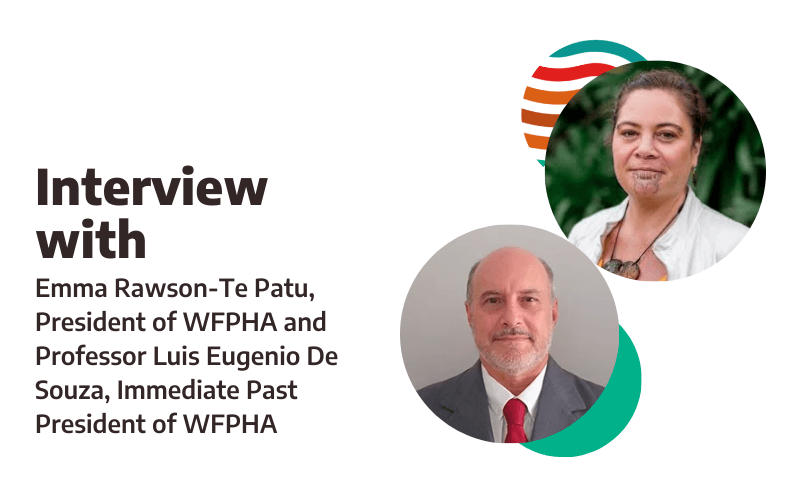
Executive Director of WFPHA, Bettina Borisch, sets the scene in an intimate interview* with Immediate Past President Prof. Luis Eugenio De Souza from Brazil and current President of the World Federation of Public Health Associations (WFPHA) Emma Rawson-Te Patu from New Zealand to discuss how our leaders shape the future of global public health. 

Reflecting on Progress: A Conversation with Luis Eugenio De Souza

Bettina: Luis, you have been president for two years and are now the immediate past president. What has your view been over the last two years?

Luis: The WFPHA has made significant strides over the past fifty years. In the last two years, we have introduced a pivotal change by integrating the promotion of peace and sustainable development into our core mission. This complements our ongoing efforts to promote health, prevent disease, and enhance well-being. We have set seven goals to guide these initiatives, marking a major achievement. I am proud to have coordinated this shift with our Working Chairs, Governing Council, and Advisory Board alongside our global partners.

Looking Forward: Emma Rawson Te-Patu’s Vision for the Future

Bettina: Emma, you inaugurated your presidency with a beautiful ceremony reflecting your heritage. How do you see the next two years? What are your plans for the WFPHA?

Emma: Our inaugural ceremony was indeed special, showcasing the cultural practices of New Zealand. As an Indigenous woman, I bring a unique perspective to this role. My focus will be on improving Indigenous health equity and outcomes. Despite numbering over 400 million, Indigenous people worldwide bear a disproportionate burden of illness and disease. The WFPHA, with its extensive network and influence, including partnerships with organizations like the WHO, is well-positioned to advocate for the health of indigenous communities. Promoting peace as a prerequisite for health and sustainable development remains a priority.

Bridging Local and Global Health: Insights from Luis and Emma

Bettina: Luis, how have you seen your work as president in balancing local and global perspectives over the past two years

Luis: Organizing the World Health Congress 2026 in Cape Town is our biggest challenge, serving as a platform to merge regional, local, and global perspectives. This event will bring together diverse health scenarios from South America, New Zealand, Australia, Asia, Europe, and Africa. Our main goal is to identify common principles that unite health workers globally and find actionable solutions to ensure the highest possible health standards for everyone.

Bettina: Emma, what local insights from New Zealand can be applied to the global stage?

Emma: New Zealand offers a unique context, allowing us to effectively control our public health and environment. This gives us a distinctive voice in the global arena, sharing successful practices while supporting countries with fewer resources. The public health community must remain humble, recognize our strengths, and lead by example. By understanding our place, we can better support others and achieve improved health outcomes worldwide.

A Message of Solidarity and Bravery

Bettina: As we progress through different presidencies, what is your message to our audience?

Luis: The WFPHA represents our community of over five million people, and we can drive significant change if we unite with one voice. Solidarity is key to our success.

Emma: My message centers on bravery. Public health faces many challenges, especially regarding resources. We can maximize our impact by working authentically and collaboratively and supporting each other’s strengths. Bravery means recognizing when to step aside and let others lead, ensuring that our collective efforts yield the best possible outcomes.

Conclusion

This dialogue underscores the shared vision and dedication of the WFPHA leaders. Prof. Luis Eugenio De Souza and Emma Rawson-Te. Patu bring diverse perspectives but are united in their commitment to advancing global public health. Their insights highlight the importance of integrating local experiences with global strategies, promoting equity, and fostering solidarity within the public health community. As we look to the future, their leadership will continue to shape a healthier world for all.

*Please note that this interview has been edited for clarity and brevity.

The Importance of Maternal Oral Health for Mothers and Children

The Importance of Maternal Oral Health for Mothers and Children

A little boy is going through trash at a landfill

The Importance of Maternal Oral Health for Mothers and Children

Maintaining good oral health for mothers is crucial for their own well-being and their children’s health. A mother’s oral health, knowledge, literacy, attitudes, behaviors, and socioeconomic status significantly impact her children’s health and significantly prevent childhood caries. Understanding and addressing these facts can improve health outcomes for both mothers and their children.

The Role of Oral Health During Pregnancy

Pregnancy is a pivotal time for oral health interventions. Ensuring proper oral health during this period is vital, as untreated dental caries in mothers can increase their children’s risk of dental caries. It’s a prime time to encourage expecting mothers to adopt healthier oral hygiene practices. Regular dental visits during pregnancy are essential to prevent future dental issues for both mother and child.

Enhancing Oral Health Literacy

Oral health literacy is a powerful tool in the hands of mothers. It empowers them to make informed decisions about dental care.  Mothers with higher oral health literacy are more likely to maintain good oral hygiene practices and understand the significance of dental health during pregnancy. Healthcare providers should prioritize educational initiatives to boost oral health literacy in expecting mothers.

Addressing Socioeconomic Factors

A mother’s socioeconomic status significantly affects her oral health. Those from lower socioeconomic backgrounds often encounter significant barriers to accessing dental care, including cost, lack of knowledge, and limited availability of dental services. Overcoming these challenges is essential to improving mothers’ and their children’s oral health outcomes.

Pregnancy Dental Care: Overcoming Barriers

Many pregnant women don’t seek or can’t access dental care despite its importance. This issue spans high and low- to middle-income countries. In the U.S., only 40% of mothers receive dental cleanings during pregnancy, with notable racial disparities. Dental professionals must be prepared and confident in providing necessary care to pregnant patients, following up-to-date guidelines and evidence-based practices. 

Promoting Oral Health Equity

To achieve oral health equity, we must create healthcare systems that support mothers and children. This involves integrating oral health into primary and prenatal healthcare systems and ensuring all communities access necessary dental care resources. Encouraging environments that support proactive oral health attitudes can significantly improve children’s overall health and development.

Maternal Oral Health: Key to a Healthy Future for Mothers and Children

Maternal oral health is a foundational element of maternal and child well-being. By focusing on oral health during pregnancy, enhancing oral health literacy, addressing socioeconomic barriers, overcoming challenges in accessing pregnancy dental care, and promoting oral health equity, we can create healthier futures for mothers and their children. Health professionals and policymakers must prioritize integrating oral health care into prenatal health systems to achieve these objectives. 

Understanding and addressing the critical aspects of maternal oral health can ensure better health outcomes for mothers and their children. Let’s work together to create a future where good oral health is a standard for all. 

This is a summary from the original Federation’s Pages, “Oral health is an integral part of maternal and child health,” published on 25 June 2024. Read it in full here.

Original authors

Hyewon Lee, DrPH, DMD, is a director at the Global Maternal and Child Oral Health Center at the Seoul National University Dental Research Institute and School of Dentistry, Seoul, South Korea, and the chair of the Oral Health Workgroup of the World Federation of Public Health Association, Geneva Switzerland.

Khabiso J. Ramphoma, B.Ch.D, M.Ch.D, is a senior lecturer and specialist in Community Dentistry at the University of the Western Cape, Cape Town, South Africa.

Alice M. Horowitz, PhD, MA, RDH, is a research professor at the School of Public Health University of Maryland, Maryland, United States.

Deborah Walker, EdD, is an adjunct professor at Boston University and Tufts University, Boston, USA, and the Women, Children, and Youth Working Group Chair at the World Federation of Public Health Association, Geneva, Switzerland.

Welcoming Emma Rawson Te-Patu: New President of WFPHA

Welcoming Emma Rawson Te-Patu: New President of WFPHA

a close up of a bottle of alcohol

Welcoming Emma Rawson Te-Patu: New President of WFPHA

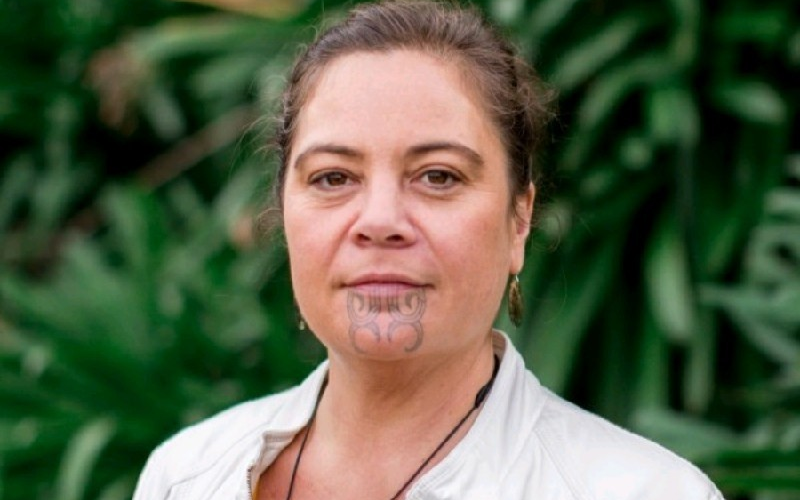
On May 26, 2024, the World Federation of Public Health Associations (WFPHA) proudly welcomes Emma Rawson Te-Patu as its new President. Emma belongs to the Māori tribal groups of Ngāti Ranginui, Ngai te Rangi, Raukawa, and Ngāti Hauā and is the first Indigenous woman to hold this esteemed position.

A Distinguished Leader in Public Health

Emma is the director at ManuKahu Associates Limited, an Indigenous consultancy in Āotearoa New Zealand. She holds a Master’s Degree in Public Health with a focus on Institutional Racism from Auckland University of Technology. Emma is currently working on developing a global framework for transformational public health, grounded in Indigenous knowledge, values, and human rights.

Vision for the Future

As President, Emma will prioritize decolonising public health globally.

Emma’s leadership promises to drive significant advancements in global health, fostering a healthier, more equitable world.

Please join us in welcoming Emma Rawson Te-Patu as the new President of WFPHA. Together, we look forward to her impactful tenure.

Launching the “Sustainable Investment in Immunization” Report

Launching the “Sustainable Investment in Immunization” Report

turned on black and grey laptop computer

Launching the “Sustainable Investment in Immunization” Report

The World Federation of Public Health Associations is delighted to announce the publication of the “Sustainable Investment in Immunization” report. This pivotal document was created by our International Immunization Policy Taskforce, working in collaboration with esteemed experts from both the health and economic sectors. This comprehensive document provides case studies, tools, and strategies designed to assist health professionals globally in promoting sustainable investment in preventive health care, with a special emphasis on immunization programs.

Overview of the Report: Sustainable Health Investments

The report addresses the complex landscape of health investment, including the involvement of various stakeholders and the unique challenges this poses. It highlights the importance of primary health care (PHC) in establishing resilient health systems and points out the significant benefits of immunization programs. These programs are not only cost-effective but also critical for reducing the transmission of infectious diseases and improving overall societal well-being.

Analyzing the Returns on Investment

A prominent aspect of the report is its focus on the economic benefits of investing in immunization. It demonstrates that such investments are cost-effective across different income settings and can substantially alleviate the healthcare burden by reducing the incidence of vaccine-preventable diseases. The analogy with defence spending is used to illustrate the concept of long term investment in preparedness providing a framework for advocating with governements.

Case Studies and Recommendations for Advocacy

The report includes several case studies that exemplify various approaches to long-term health investment. These examples serve as a practical guide for health professionals seeking to advocate for a systematic, long-term approach to investing in public health and PHC.

The recommendations are designed to help health professionals effectively advocate for immunization. They emphasize the importance of framing immunization as a long-term or capital investment on a national scale, contrasting it with short-term expenditures.

Moving Forward with Strategic Health Investments

The report aims not only to advocate for disease prevention and reduced mortality but also to enhance the overall well-being of communities. It suggests that incorporating economic perspectives into governmental discussions can lead to better strategic fund allocation, promoting sustained investment in health.

As we consider the insights from the “Sustainable Investment in Immunization” report, it becomes clear that thoughtful, long-term planning and commitment are essential for advancing public health goals and building stronger health systems. This document, together with two infographics and a ppt with key findings, serves as both a resource and a call to action for health professionals and stakeholders in health to prioritize sustainability in their decision-making processes.

Addressing Alcohol Consumption Through Informed Choices: WFPHA’s Response to Codex’s Call for Comments on Alcoholic Beverage Labeling

Addressing Alcohol Consumption Through Informed Choices: WFPHA’s Response to Codex’s Call for Comments on Alcoholic Beverage Labeling

a close up of a bottle of alcohol

Addressing Alcohol Consumption Through Informed Choices: WFPHA’s Response to Codex’s Call for Comments on Alcoholic Beverage Labeling

The World Federation of Public Health Associations (WFPHA) has recently submitted its comments in response to the Codex Circular Letter CL 2024/13-FL concerning the labeling of alcoholic beverages. As a global network representing around 5 million public health professionals, WFPHA is committed to advocating for public health policies and practices that contribute to a healthier world. Dr. Alexandra Jones represents the WFPHA at this consultation and more broadly within the Codex Alimentarius.

The need for effective labeling on alcoholic beverages is underscored by the significant health burden associated with alcohol consumption. In 2019 alone, alcohol was responsible for 2.6 million deaths and contributed to 4.7% of the global disease burden. The WFPHA supports the World Health Organization’s Global Alcohol Action Plan 2022-2030, which advocates for clear consumer protection measures, including mandatory labels that provide crucial information such as alcohol content, caloric value, and health warnings.

Health Warning Labels: A Crucial Tool for Public Health

Health warning labels on alcoholic beverages are proven to raise awareness about the dangers of alcohol consumption at the point of purchase. These labels, when designed effectively, can slow down drinking rates, reduce the number of drinking occasions, and even deter purchases altogether. Countries like Australia, Canada, and France, among others, have implemented such labels, with recent initiatives such as Australia’s pregnancy warning labels highlighting the shift towards mandatory government-led labeling after years of inadequate voluntary industry-led efforts.

Nutrition and Health Information: Enhancing Consumer Awareness

The WFPHA also supports the implementation of standardized, mandated labels that provide nutritional information. This move aligns with existing Codex labeling standards that require nutrient declarations on food products, which should also apply to alcoholic beverages. The organization suggests a cautious approach to displaying full nutrient declarations to avoid creating a “health halo” effect where alcoholic beverages might appear healthier than they are. The same applies to health claims, acknowledging that alcohol is classified as a Class 1 carcinogen with no recognized safe level of consumption.

No Exemptions from Standard Guidelines

The WFPHA believes that all alcoholic beverages should adhere to the standard guidelines for food labeling, without exceptions, even for small packaging. This consistency ensures that consumers are always informed about the contents and potential health impacts of the alcoholic beverages they choose to consume.

The Role of Digital Tools and Online Sales

While acknowledging the growing trend of online alcohol sales, the WFPHA stresses that digital tools should not replace on-product labels. Essential health information must remain accessible on the product labels to ensure that all consumers, regardless of internet access, are well informed.

Through its submission, the WFPHA is actively participating in shaping a more informed approach to alcohol consumption, reflecting its commitment to safeguarding public health across the globe. The ongoing discussions with Codex will hopefully lead to more robust and effective labeling standards that can contribute significantly to reducing the global health burden of alcohol.

Health: A Political Choice – Amplifying Indigenous Voices in Global Health

Health: A Political Choice – Amplifying Indigenous Voices in Global Health

selective focus photography of people sitting on chairs while writing on notebooks

Health: A Political Choice – Amplifying Indigenous Voices in Global Health

The Global Governance Project, in collaboration with WHO, WFPHA, and the World Health Summit, presents the publication ‘Health: A Political Choice – Advancing Indigenous peoples’ rights and well-being‘.

Co-edited by Co-Council Chair Ilona Kickbusch, this special edition features insights from global health leaders like Tedros Adhanom Ghebreyesus and WFPHA President-Elect Emma Rawson-Te Patu on amplifying Indigenous voices in global health. Download your copy now to delve into this crucial topic. Plus, stay tuned for the print edition launch at the WHS Regional Meeting in Australia from April 22-24, 2024.