
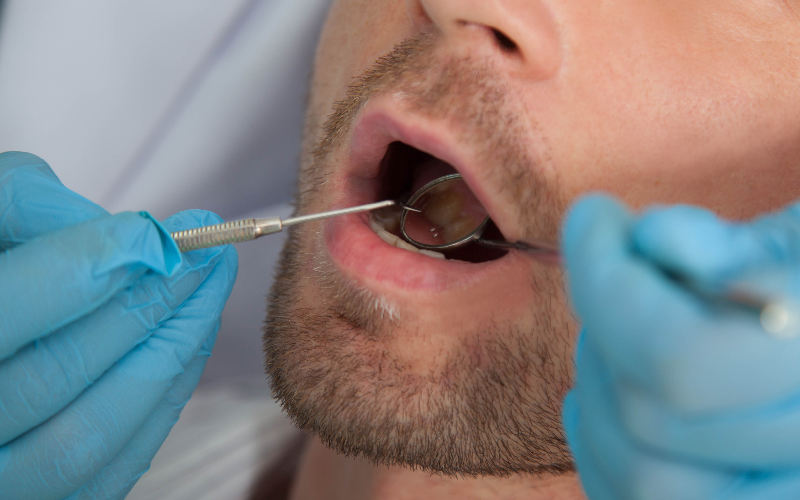
Primary Dental Care During COVID-19 and Future Airborne Pandemics
Primary Dental Care During COVID-19: Global Guidance for Safe Oral Health Services
News
Jul 4, 2022
Oral health is an integral part of primary care. While oral diseases pose a major health and financial burden globally, oral health is widely neglected and considered optional or specialty care. Recognizing the global public health importance of major oral disease, the World Health Organization’s governing body adopted resolution WHA74.5 on Oral Health in 2021, affirming that oral health is an integral part of the health and healthcare system.
The COVID-19 pandemic has infected almost 400 million people worldwide and caused approximately 6 million deaths, fundamentally changing daily life and healthcare delivery. Oral health practitioners are among the professionals most at risk of infection due to exposure to airborne droplets and aerosols generated during dental procedures.
In response to inconsistent dental practice guidelines during the pandemic, the World Federation of Public Health Associations (WFPHA) Oral Health Working Group recognized the need for clear global guidance on the delivery of dental care during pandemics and future airborne disease outbreaks. A group of 24 public health–focused dental professionals from 13 countries collaborated to publish a resolution titled “Urgent, Essential and Primary Dental Care during COVID-19 and Future Airborne Pandemics.”
The resolution outlines core elements for the safe delivery of dental care during pandemics and proposes a working definition of urgent, essential, and primary dental care during COVID-19. It was accepted and approved by the WFPHA General Council in May 2022.
The WFPHA Oral Health Working Group calls for coordinated oral health action during pandemics to protect oral and overall health for all. The following recommendations outline how dental services can be safely maintained.
Strategic Planning and Clear Communication in Dental Care
All oral health programs should establish clear plans and communication strategies to screen for or identify confirmed cases and potential exposures, in line with national and regional public health guidelines.
Oral health professionals should also be recognized as an essential part of the broader public health workforce. This includes supporting public health initiatives and maintaining preparedness during pandemics and other public health emergencies.
PPE and Facility Measures to Reduce Airborne Transmission
Personal protective equipment (PPE) and facility design play a critical role in infection prevention during pandemics.
All healthcare facility personnel should wear well-fitting surgical masks that cover the mouth and nose to reduce the spread of respiratory droplets. Dental practitioners and care staff should use face masks or respirators approved by national guidelines.
These protective measures help reduce transmission risks while maintaining safe dental services.
Urgent Dental Care During COVID-19
Urgent dental care refers to medically necessary treatment that addresses:
- Acute oral infections
- Severe pain that cannot be controlled with analgesia
- Dental or orofacial trauma
Urgent care and associated diagnostic examinations should be provided for all patients.
Aerosol-generating procedures (AGPs) should be avoided or minimized whenever possible. Instead, atraumatic restorative treatments (ART) using hand instruments should be prioritized to reduce aerosol production while ensuring necessary care.
Essential Dental Care and Preventive Treatments
In 2021, the World Health Organization defined essential dental care as the use of:
- Fluoride toothpaste
- Glass ionomer cement
- Silver diamine fluoride
These materials allow preventive and restorative care with minimal or no aerosol generation. Treatments such as ART using glass ionomer cement and the use of silver diamine fluoride are also recognized in basic dental care packages by the FDI World Dental Federation.
Essential dental care, including fluoride application, should be provided for all patients, including those with confirmed infection, if the treatment falls under urgent care.
What Primary Dental Care Includes During a Pandemic
Primary dental care during COVID-19 includes a wide range of routine dental services, such as:
- Routine dental examinations
- Professional cleaning
- Radiographs
- Permanent restorations
- Periodontal treatment
- Endodontic treatment
These services are provided in addition to urgent and essential dental care.
Providing primary dental care with minimal risk during pandemics is recommended. However, for patients with COVID-19 or other highly infectious airborne diseases, only urgent and essential dental care should be delivered on an emergency basis.
When aerosol-generating procedures are necessary for low-risk patients, mitigation strategies should be used, including:
- Four-handed dentistry
- High-volume evacuation suction
- Isolation devices to reduce droplets and aerosols
Providers may also consider oral antiseptic rinses based on scientific evidence.
Protecting Oral Health in Hospitals and Long-Term Care Facilities
Hospitalized patients and individuals living in long-term care facilities are particularly vulnerable to oral health deterioration during pandemics.
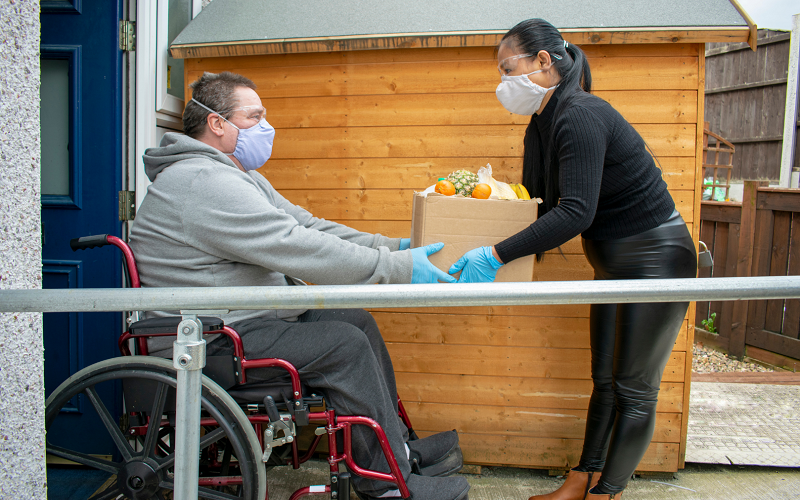
Daily oral hygiene practices should be maintained, with assistance from nurses or caregivers when necessary. Consistent oral care helps reduce infection risks and supports overall health outcomes for these populations.
Oral Health Education for Mothers, Children, and Caregivers
Oral health should be integrated into primary and prenatal care for mothers, children, and individuals with special needs.
Preventive strategies should emphasize:
- Dental caries prevention
- Proper home oral hygiene practices
- Low-cariogenic diets
Education for mothers is particularly important because it helps establish lifelong healthy habits and dietary practices for children.
Oral health education should also be provided to caregivers of people with disabilities to support consistent oral hygiene and preventive care.
Integrating Dental Care into the Broader Health System
Oral health services should continue even during global health crises. Dental care must be recognized as a fundamental component of primary care and integrated into broader health systems, including:
- Primary health care
- Perinatal health care
- Long-term care facilities
- Schools
- Nutrition programs
Ensuring access to oral health services strengthens both individual health outcomes and public health resilience during pandemics.
A Call for Global Collaboration on Oral Health
The WFPHA Oral Health Working Group invites collaboration with dental and non-dental health organizations to advance these goals and improve oral health globally.
For collaboration inquiries, please contact the former Chair of the Oral Health Working Group, Dr. Hyewon Lee, at hyewon@idasociety.org


Recent Comments