Waive Vaccine Intellectual Property Rights Now!

Waive Vaccine Intellectual Property Rights Now!

Waive Vaccine Intellectual Property Rights Now

News

Nov 25, 2021

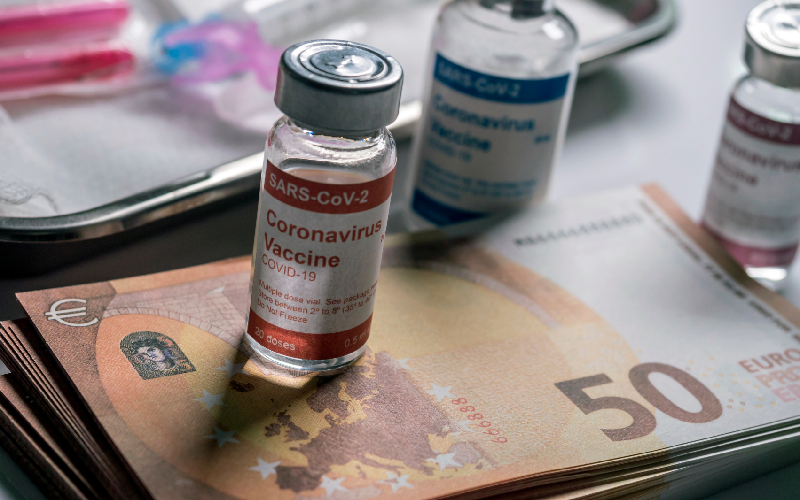
In the current global pandemic, vaccine equity requires more than supply; it requires fair and timely access to vaccination for all countries, regardless of income level, infrastructure, political context, or stage of economic development. Yet people living in low- and middle-income countries remain far less likely to be vaccinated than those in high-income countries, even when they are in the highest clinical-risk groups or frontline health and care workers.

COVID-19 vaccines significantly reduce severe illness, mortality, symptom duration, and the risk of transmission. Vaccination remains the most effective tool for controlling the pandemic. When virus circulation is not adequately controlled, the risk of new vaccine-resistant variants increases, prolonging the pandemic for everyone.

Achieving global vaccine equity, therefore, depends on urgent structural action, including a decision to waive intellectual property protections on vaccines that currently restrict production and access.

Vaccine Inequity Is a Structural Failure, Not a Supply Problem

Current global delivery mechanisms are necessary but insufficient

For low- and middle-income countries, the primary mechanism for COVID-19 vaccine access is the vaccine pillar of the WHO Access to COVID-19 Tools Accelerator (ACT-A), specifically COVAX. COVAX forms a central part of the WHO Preparedness and Response Plan for 2021–22 and aims to deliver two billion doses to 98 self-financing countries and 92 of the lowest-income countries.

We commend COVAX for its vision, expertise, and international collaboration. However, it was never intended to be the sole solution for global COVID-19 vaccine provision. Without complementary measures, particularly those that address production constraints, COVAX alone cannot close the equity gap.

High-income countries must meet their existing commitments

High-income countries have committed to delivering their fair share of vaccines, yet to date, only Norway has fulfilled this obligation. Delays and shortfalls undermine global vaccination efforts and perpetuate inequitable access.

Donation-based models cannot deliver sustainable vaccine equity

Relying on vaccine donations from wealthy countries is neither sustainable nor sufficient to meet global demand. Even if all pledges were honoured on time, this approach leaves most of the world dependent on surplus supply. It also creates a risk of “vaccine pollution,” including waste, expired doses, or the dumping of near-expiry products in low- and middle-income countries and international programs.

Why Waiving Vaccine Intellectual Property Is Essential

Equity of capability, not charity

Low- and middle-income countries have extensive experience delivering mass vaccination programs and conducting vaccination trials in challenging conditions. Assertions that these countries cannot manufacture vaccines to international quality standards are unfounded and reflect neo-colonial and paternalistic assumptions. India, for example, is the world’s largest vaccine producer.

Commercial protectionism by major pharmaceutical companies, supported by some governments, has reinforced a narrative that limits local production capacity. To correct this imbalance, governments must waive intellectual property rights on vaccines that restrict technology transfer and scale-up.

Export restrictions further constrain global access

Several countries, including the United States, China, Japan, and South Korea, currently maintain export restrictions on vaccines and/or essential raw materials. These restrictions disrupt global supply chains and disproportionately affect vaccination programs in low- and middle-income countries.

Public health priorities, not commercial interests, should guide decisions on vaccine retention and export. Removing unwarranted export restrictions is critical to maintaining uninterrupted global vaccine production.

Global production capacity must expand beyond emergency measures

Pandemic vaccination should not rely on ad-hoc donations or temporary coalitions. While there is sufficient global capacity to distribute vaccines immediately, the current system lacks a scalable, geographically distributed supply chain capable of responding to ongoing and future pandemics.

Optimizing alternative approaches (such as donations, improved logistics, voluntary licensing, or regulatory concessions) without addressing intellectual property barriers will not deliver vaccine coverage equivalent to that of high-income countries before at least the end of 2022.

There are enough vaccine doses to fully vaccinate everyone. Supply remains artificially constrained because the Trade-Related Aspects of Intellectual Property Rights (TRIPS) agreement allows a small number of pharmaceutical companies to monopolise production and control global supply chains. This is why the decision to waive intellectual property rights on vaccines is central to achieving timely and equitable access.

The Case for a TRIPS Waiver Now

A TRIPS waiver enables local production and faster access

Implementing a Trade-Related Intellectual Property Rights (TRIPS) waiver is essential to allow more countries to produce vaccines locally and respond effectively to public health needs. The proposal is both achievable and legally grounded in the Doha Declaration of 2001, which affirms the right of World Trade Organization (WTO) members to use TRIPS flexibilities to protect public health and ensure access to medicines for all—including vaccines.

A decision to waive vaccine intellectual property is consistent with international law and existing WTO provisions.

Commercial protectionism has no place in a global health emergency

Public funding has played a substantial role in vaccine research, development, and deployment. In this context, continued commercial protectionism is indefensible. A TRIPS waiver does not eliminate compensation for manufacturers; companies can still receive fair payment for their products and expertise.

Allowing companies to set prices that are unaffordable for many people worldwide fuels public distrust and strengthens vaccine hesitancy narratives. Waiving vaccine intellectual property rights helps governments and manufacturers address these concerns and restore public confidence.

The TRIPS waiver is a step toward stronger multilateral solutions

A TRIPS waiver is not a permanent solution, but it is an essential step toward building more effective and equitable multilateral partnerships. It would expand global manufacturing capacity and strengthen the collective response to the current COVID-19 pandemic.

Longer-term reforms to the intellectual property system must follow.

Reforming the Future Intellectual Property Framework for Vaccines

Structural change is required for all current and future SARS-CoV-2 vaccines. More permanent solutions should be pursued through the proposed Global Treaty for Pandemic Preparedness, to be discussed at the World Health Assembly Special Session in November 2021. Implementation will require coordinated action through the United Nations and relevant international bodies, including the World Health Organization and the World Trade Organization.

Conclusion: Global Coverage Determines Global Safety

Delays in achieving adequate global COVID-19 vaccination coverage will prolong the pandemic for all countries and increase the risk of new, high-consequence variants. The evidence is clear: we will not be free of this virus until we are all free of it.

The decision to waive vaccine intellectual property is not only a legal and economic issue—it is a public health imperative.

About this statement
This text summarizes the main arguments from the full statement on the proposed waiver of the Trade-Related Aspects of Intellectual Property Rights (TRIPS Agreement) and related vaccine equity issues.

Written by Alison McCallum, Abbe Brown, Meri Koivusalo, and John Middleton for the Association of Schools of Public Health in the European Region (ASPHER) COVID-19 Task Force, the Global Network for Academic Public Health, and the World Federation of Public Health Associations.

The Global Network for Academic Public Health and WFPHA have issued a statement in support of waiving intellectual property rights on COVID-19 vaccines to increase global vaccine equity.


Nutrition, Alcohol, and Environmental Impact Labels Should Protect Public Interests

Nutrition, Alcohol, and Environmental Impact Labels Should Protect Public Interests

Nutrition, Alcohol, and Environmental Impact Labels Must Protect Public Interests, Not Market Harmful Foods

News

Nov 16, 2021

Why Nutrition, Alcohol, and Environmental Labels Matter

Since 2016, a United Nations–mandated body responsible for setting international food trade standards has been negotiating global guidelines to help governments better inform consumers and reduce diet-related disease. These discussions focus on front-of-pack nutrition labelling (FOPNL) and increasingly include alcohol warning labels and environmental impact labelling.

International public interest groups urge that these standards prioritize public health, environmental sustainability, and consumer protection, rather than facilitating the marketing of foods and beverages that harm people and the planet.

The Role of the Codex Committee on Food Labelling (CCFL)

The Codex Committee on Food Labelling (CCFL) develops international standards that, while formally voluntary, function in practice as presumptive ceiling standards under global trade rules.

  • Countries that exceed Codex standards may be required to provide additional scientific justification

  • Such justifications can be challenged by trading partners

  • As a result, Codex standards significantly influence national policy space

This makes Codex negotiations critically important for public health, alcohol regulation, and environmental protection.

Global Health and Environmental Impacts of Food and Alcohol Consumption

Diet-Related Disease Burden

According to the Institute for Health Metrics and Evaluation (IHME) Global Burden of Disease study:

  • Diets high in sodium, saturated and trans fats, added sugars, processed and red meat

  • And low in whole grains, fruits, vegetables, nuts, seeds, and polyunsaturated fats

were estimated to cause:

  • 8 million deaths worldwide in 2019

  • 188 million disability-adjusted life years (DALYs)

Alcohol-Related Harm

The World Health Organization (WHO) estimates that:

  • Excess alcohol consumption causes approximately 3 million deaths annually

  • Alcohol is associated with more than 200 diseases and injuries, including cancer, cardiovascular disease, and mental health disorders

Young people are disproportionately affected, with alcohol accounting for:

  • 19% of deaths among ages 15–19

  • 23.3% of deaths among ages 20–24

Food Systems and Climate Change

According to the UN Intergovernmental Panel on Climate Change (IPCC):

  • 21–37% of global greenhouse gas emissions are attributable to food systems

  • Climate change poses severe risks to food security and nutrition

Global Approaches to Front-of-Pack Nutrition Labelling (FOPNL)

Governments worldwide are experimenting with diverse front-of-pack nutrition labelling systems, including:

Warning Label Systems

  • Chile’s black “stop sign” warning labels

    • Adapted by Peru, Uruguay, Israel, and Mexico

  • Designed to alert consumers to high levels of sodium, sugar, and unhealthy fats

Interpretive Rating Systems

  • United Kingdom Traffic Light Labels

  • Australia’s Health Star Rating (½ to 5 stars)

  • France’s Nutri-Score (A to E)

    • Now voluntarily adopted in multiple European countries

Evidence increasingly supports the effectiveness of these systems, though no single model fits all populations or contexts, particularly in low-income settings with undernutrition challenges.

Trade Pressure and Policy Interference

Before Codex negotiations began in 2016:

  • The United States, the European Union, and Canada used diplomatic channels to pressure early adopters of FOPNL

  • Countries targeted included Chile, Peru, Indonesia, and Thailand

Within Europe, even voluntary measures such as the UK’s traffic light system faced legal challenges under trade law.

Alcohol Labelling: A Public Health Imperative

Many countries already:

  • Prohibit alcohol sales entirely, or

  • Require disclosure of alcohol by volume and health risks

Evidence shows that health literacy around alcohol risks remains dangerously low, despite alcohol being a leading contributor to:

  • Cancer (29% of alcohol-attributable deaths in Europe)

  • Liver cirrhosis, cardiovascular disease, injuries, and tuberculosis

There is no known safe level of alcohol consumption during pregnancy, and fetal alcohol spectrum disorders (FASDs) can occur at any stage of gestation.

Public Interest Recommendations to the Codex Committee on Food Labelling

Building on a joint statement made at the 2019 pre-COVID Codex session, public interest groups call for the following reforms:

1. Mandatory Nutrition, Alcohol, and Environmental Labelling

Voluntary labelling has consistently failed due to strong commercial incentives to omit or distort information. Mandatory labelling is essential to ensure accuracy and consumer protection.

2. Strong Conflict-of-Interest Safeguards

Food and alcohol corporations (and the organizations or researchers they fund) should not serve on advisory bodies responsible for developing health or environmental labelling standards.

3. Protect Policy Innovation and Flexibility

Codex guidance must enable, not constrain, national innovation in evidence-based labelling approaches.

4. Prevent the “Halo Effect” on Risky Products

Governments must retain authority to:

  • Prohibit positive endorsements on harmful products

  • Prevent misleading health or sustainability claims on alcohol and breast-milk substitutes

5. Establish Global Guidance for Environmental Impact Labelling

Codex should initiate a process for mandatory eco-labelling, similar to nutrition labelling, to support:

  • Lower greenhouse gas emissions

  • Reduced pesticide and water use

  • Climate-resilient food systems

Clear international guidance would help prevent the misuse of trade rules to block legitimate environmental action.

6. Harmonized Alcohol Health Warning Labels

Standardized alcohol labelling would:

  • Improve health literacy

  • Increase awareness of cancer and pregnancy risks

  • Reduce alcohol-related harm and public health costs

Warnings against alcohol use during pregnancy or while trying to conceive are particularly urgent to prevent FASDs.

Codex Negotiations: Who Participates and Why It Matters

Typically, approximately 250 representatives attend CCFL negotiations, including:

  • Delegates from 60 national governments

  • Dozens of food and alcohol industry associations

  • A small number of officially recognized health and consumer organizations

The Government of Canada, which has hosted and chaired CCFL since the 1960s, hosted the 2021 virtual meeting.

Codex Standards Must Serve People and the Planet

Nutrition, alcohol, and environmental impact labels are not marketing tools; they are public health and environmental safeguards. Codex standards must protect governments’ ability to act in the public interest and ensure that consumers receive clear, accurate, and meaningful information about the products they consume.

Functioning of the International Health Regulations during COVID-19

Functioning of the International Health Regulations during COVID-19

Functioning of the International Health Regulations During the COVID-19 Pandemic

News

Oct 20, 2021

The International Health Regulations (IHR), which entered into force in 2007, were designed to strengthen global capacity to prevent, detect, and respond to public health threats. Framed as a legally binding agreement among the World Health Organization (WHO) Member States, the IHR aims to support national preparedness while enabling coordinated international alert and response to health emergencies.

During the prolonged and unprecedented COVID-19 pandemic, the effectiveness of the IHR has been widely questioned. Critics argued that the Regulations constrained rapid action and failed to keep pace with the scale and speed of the crisis. However, findings from the Review Committee on the Functioning of the IHR (2005) during the COVID-19 Response offer a more nuanced assessment, shifting the focus from regulatory design to implementation failures.

This article reflects on those findings and the implications for strengthening global health governance, drawing on the work of the IHR Review Committee, which brought together 20 experts with diverse public health expertise from around the world.

International Health Regulations and COVID-19: What Went Wrong in Practice

The IHR Review Committee found that the Regulations themselves remain fundamentally sound and appropriate for managing public health emergencies. Rather than structural deficiencies within the IHR, the COVID-19 response revealed persistent shortcomings in how the Regulations were applied by Member States and operationalized by the WHO.

Many countries implemented the IHR only partially, lacked sufficient awareness of their obligations, or chose to disregard specific requirements. At the same time, the WHO did not consistently make full use of the authority granted under the IHR, both in letter and in spirit. These combined gaps significantly weakened the global response during the early and most critical phases of the pandemic.

Within its mandate, explicitly focused on IHR-related aspects of the COVID-19 response, the Review Committee identified a collective failure across three interrelated domains:

Compliance, Accountability, and Empowerment

Inadequate compliance with IHR obligations, particularly those related to preparedness and core public health capacities, contributed to COVID-19 evolving into a protracted global crisis. The Committee underscored that IHR implementation must be elevated to the highest levels of government and embedded within a whole-of-government approach to health security.

Central to this effort is the strengthening of IHR national focal points. These entities must be institutionally positioned, adequately resourced, and granted sufficient authority to engage across sectors during emergencies. Without robust national legal frameworks aligned with the IHR, effective preparedness and response remain out of reach.

To address persistent gaps, the Committee highlighted the need for stronger review and accountability mechanisms. Periodic, obligatory assessments of national IHR capacities, similar in spirit to universal periodic reviews in other international governance frameworks, could play a critical role in improving compliance and transparency.

Early Alert, Notification, and Response

Timely alert and response are essential to triggering meaningful global action. Yet during COVID-19, early warning systems did not function as intended. Initial reporting from several countries was incomplete, and delays in recognizing human-to-human transmission, including asymptomatic and pre-symptomatic spread, undermined early containment efforts.

Despite the WHO issuing risk assessments, technical guidance, and early warnings, including the declaration of a Public Health Emergency of International Concern, many national responses were slow or insufficient. The Review Committee concluded that introducing additional alert levels would not have resolved these challenges. Instead, more consistent adherence to existing IHR obligations could have enabled faster, more decisive action.

The Committee also emphasized that trust, collaboration, and routine engagement between countries and the WHO, outside crisis periods, are essential to improving early alert and response. Strengthening established networks and information-sharing mechanisms remains a priority.

Political Will and Sustainable Financing

Effective implementation of the International Health Regulations depends on sustained political commitment and predictable financing at national and international levels. The Review Committee noted that resources allocated to IHR implementation, including within the WHO itself, remain limited and inconsistent.

As of early 2021, the WHO’s IHR-related functions were supported by approximately 200 full-time staff equivalents, fewer than the staffing levels of some national public health institutes. This imbalance highlights the need for Member States to provide the WHO with a stronger mandate and more stable funding to fulfil its global health protection role.

Strengthening the IHR for Future Health Emergencies

In April 2021, the Review Committee issued 40 recommendations across ten thematic areas to strengthen IHR implementation. These include enhancing legal preparedness, improving data sharing and risk assessment, clarifying responsibilities related to travel measures, advancing digitalization and communication, and reinforcing compliance and accountability frameworks.

The Committee also recognized the potential value of developing a global, legally binding convention on pandemic preparedness and response. Such a framework could complement the IHR by addressing gaps related to equitable access to countermeasures, global supply chains, and the management of zoonotic risks.

Moving from Lessons to Action

The COVID-19 pandemic demonstrated that global health security is only as strong as the collective commitment to uphold shared rules and responsibilities. The functioning of the International Health Regulations during the COVID-19 pandemic shows that the challenge lies not in the absence of guidance but in the failure to fully implement what is already agreed upon.

The evidence is clear, the recommendations are well established, and the path forward is known. What is now required is decisive action by Member States and by the WHO to translate the lessons of COVID-19 into a more resilient, accountable, and effective global health system.

Reducing Maternal Mortality Ratio in low- and Middle Income Countries

Reducing Maternal Mortality Ratio in low- and Middle Income Countries

Reducing Maternal Mortality in Low- and Middle-Income Countries Through Skilled Birth Attendants

News

Oct 14, 2021

Maternal mortality remains one of the most urgent and preventable global health challenges. Despite decades of international commitments, women in low- and middle-income countries (LMICs) continue to face an unacceptably high risk of death during pregnancy and childbirth. Increasing access to skilled birth attendants (SBAs) is one of the most effective and evidence-based strategies to reduce maternal mortality and advance global health equity.

Maternal Mortality as a Global Health Priority

The World Health Organization (WHO) has long identified maternal mortality as a global priority for improving global health outcomes. Maternal mortality is defined as the “death of a woman while pregnant or within 42 days of the end of pregnancy…from any cause related to or aggravated by the pregnancy.”

The United Nations Millennium Development Goal 5 (MDG5), which aimed to reduce the global maternal mortality ratio (MMR) by three-quarters, was not met by its 2015 deadline. As a result, the burden of avoidable maternal deaths persists in many low-resource countries, rural areas, and disadvantaged communities.

Current trends show a global maternal mortality ratio of 211 maternal deaths per 100,000 live births. In low- and middle-income countries, as defined by the World Bank, this ratio exceeds 800 maternal deaths per 100,000 live births. This unacceptable death toll highlights the urgent need for further action in resource-poor countries to address the major causes of maternal death and end avoidable maternal mortality by increasing investment, access, and equity in skilled birth attendants for all.

Background: Causes of Maternal Mortality in LMICs

According to the World Health Organization, the leading global causes of maternal death include hemorrhage, hypertension, and sepsis. A WHO systematic analysis identifies post-partum hemorrhage as the leading cause of maternal death in LMICs and worldwide, accounting for 21.7% of all maternal deaths.

Post-partum hemorrhage is preventable mainly with access to appropriate resources and timely care. However, when it occurs, hemorrhaging can lead to death in less than two hours. This makes it both one of the most preventable and most emergent maternal health complications. Focusing on this specific cause allows policy efforts to narrow their scope and target areas where intervention can have the most significant impact.

Global Commitments and Sustainable Development Goal 3.1

This policy statement is informed by the call to action outlined in Sustainable Development Goal (SDG) 3.1. Developed by the United Nations to extend and deepen the Millennium Development Goals, SDG 3.1 commits member states to reducing global maternal mortality and achieving a more sustainable and healthier future by 2030.

While global improvements have been achieved, maternal mortality declined by 38% over 17 years, with an average annual reduction of 3%. Progress remains uneven. These improvements are likely due to increased awareness, technological advancements, and improved access to healthcare resources in certain regions. However, maternal mortality continues to be a significant cause of death in LMICs, underscoring the continued relevance and urgency of SDG 3.1.

The Role of Primary Prevention and Health Systems Strengthening

Primary interventions addressing family planning, including contraception use, education, and access to legal and safe abortion services, have contributed significantly to reductions in maternal mortality. Research published in the Maternal and Child Health Journal indicates that the indirect effects of contraception use have saved one million lives in high-risk areas.

The Indonesian Family Planning Program demonstrates the impact of primary prevention. If similar programs were implemented in low-income areas, unmet family planning needs could be reduced from 10% to 7%, preventing more than 37,000 maternal deaths.

Despite these gains, achieving SDG 3.1 requires addressing unmet needs within health systems to reduce risks during pregnancy and childbirth. Improvements in skilled delivery and healthcare environments alone could reduce maternal mortality ratios by an additional 19–20%.

Skilled Birth Attendants and Maternal Mortality Reduction

While global progress has been made, LMICs (particularly in Sub-Saharan Africa) continue to experience disproportionately high maternal mortality rates. Sub-Saharan Africa accounts for nearly two-thirds of all maternal deaths worldwide. These regions face persistent challenges related to inadequate, inaccessible, and inequitable healthcare resources.

Skilled delivery is a critical intervention for reducing preventable maternal complications. The World Health Organization defines skilled birth attendants as accredited health professionals, such as midwives, doctors, or nurses, who have been educated and trained to a high level of proficiency. Evidence shows that where 100% of births are attended by skilled health staff, maternal mortality ratios fall to fewer than five deaths per 100,000 live births. This strong correlation underscores the life-saving impact of skilled birth attendance.

Purpose and Scope of the Policy Statement

The purpose of this policy statement is to bridge the gap in maternal mortality outcomes between high-income and low- and middle-income countries, in alignment with Sustainable Development Goal 3.1. The goal aims to reduce the global maternal mortality ratio to fewer than 70 deaths per 100,000 live births by 2030, using indicators such as MMR and the proportion of births attended by skilled health personnel.

Women in high-income countries face a 1 in 5,400 chance of dying from a maternal complication, compared to a 1 in 45 chance in low-income settings. These disparities must be addressed by expanding access to quality care, reducing avoidable maternal deaths, improving MMR outcomes in LMICs, addressing urban-rural inequities, and strengthening future healthcare resources. According to the United Nations, investing in health systems could save up to 5 million mothers’ lives.

Target Areas for Intervention

Low- and middle-income countries account for 94% of all maternal deaths globally. Sub-Saharan Africa contributes two-thirds of these deaths, while South Asia accounts for one-fifth, together representing 86% of global maternal mortality.

High-priority countries include South Sudan, Somalia, the Central African Republic, Yemen, Syria, Sudan, the Democratic Republic of Congo, Chad, Afghanistan, Haiti, Guinea, Nigeria, and Ethiopia. Maternal mortality ratios in these countries range from 31 to 1,150 per 100,000 live births.

Within these regions, rural and Indigenous populations face an 80-percentage-point gap in skilled birth attendance and a 25-percentage-point gap in antenatal care and education. Similar disparities exist in high-income countries, including the United States, where socioeconomic and racial inequities drive higher maternal mortality rates in low-income and Black communities.

Policy Context and Precedents

This policy builds on prior international efforts, including the American Public Health Association’s 2011 Call to Action to Reduce Global Maternal, Neonatal, and Child Morbidity and Mortality. That policy emphasized political commitment, targeted funding, professional competency, and program evaluation to address stalled progress toward MDG5.

It also aligns with the World Federation of Public Health Associations’ policy statement Reducing Maternal Mortality as a Human Right, which calls for stronger government accountability, improved health systems, enhanced policy research, and the promotion of gender equity. This statement advances those recommendations explicitly by focusing on skilled birth attendants, training, and access to essential equipment in low-resource settings.

Recommendations to Reduce Maternal Mortality Through Skilled Birth Attendance

To address the ongoing maternal mortality crisis in low-resource areas and close gaps in achieving the Millennium and Sustainable Development Goals, it is recommended that governments and advocacy organizations:

  • Increase skilled birth attendance to more than 90% in areas where coverage is currently below 50%.
  • Expand healthcare utilization in the poorest LMIC regions with the highest maternal mortality ratios.
  • Improve access to essential supplies, medications, and hygienic clinical practices.
  • Promote and support maternal healthcare training programs in low-resource districts.
  • Strengthen primary prevention contraception programs.
  • Require national antenatal care and skilled birth attendance guidelines, including licensing and regulation.
  • Develop comprehensive strategies for skilled attendant provision, including clinic locations, staffing, monitoring, and training.
  • Enhance capacity building and cultural competency in maternal healthcare settings.
  • Leverage UN agencies, the WHO, the World Bank, and other multilateral organizations to inform stakeholders.
  • Ensure access to life-saving medications such as Misoprostol and simple blood-loss management tools to prevent deaths from post-partum hemorrhage.

Advancing Equity in Maternal Health

Reducing maternal mortality in low- and middle-income countries is both a public health imperative and a matter of human rights. Expanding access to skilled birth attendants, strengthening health systems, and addressing inequities across populations are essential steps toward ending preventable maternal deaths and achieving Sustainable Development Goal 3.1.

Climate Change and Public Health: Why the Climate Emergency Is a Health Emergency

Climate Change and Public Health: Why the Climate Emergency Is a Health Emergency

Climate Change and Public Health: Why the Climate Emergency Is a Health Emergency

News

Oct 14, 2021

Climate change is no longer a distant threat. It is a present and accelerating crisis undermining health, safety, and well-being worldwide. As extreme weather intensifies, global temperatures rise, and environmental systems destabilize, the consequences for human health grow more severe. The World Federation of Public Health Associations (WFPHA) issues this call to action to highlight the urgent need for governments, institutions, and health leaders to confront the accelerating climate emergency with decisive, health-centered policies.

The Climate Crisis: A Global Failure With Human Consequences

Since the adoption of the Sustainable Development Goals (SDGs) in 2015, progress has been significantly hindered by accelerating climate change. Although solutions exist, global action has been too slow, fragmented, and insufficient to safeguard population health. Scientific evidence shows that:

  • Global warming is accelerating, driving extreme heat, catastrophic fires, severe storms, droughts, and flooding.

  • Disruptions across land, water, and ecosystems are worsening faster than anticipated.

  • Opportunities for meaningful intervention are narrowing, as climate extremes become more frequent and intense.

The health risks are profound. Climate change affects food security, water quality, air quality, housing stability, and economic livelihoods, all of which are critical determinants of health.

Children: The Most Vulnerable Victims of Climate Change

UNICEF calls climate change the defining challenge for children’s rights. Nearly 1 billion children live in areas at extremely high risk from climate impacts. Many face overlapping threats such as:

  • Flooding

  • Heatwaves

  • Water scarcity

  • Disease outbreaks

  • Poor air quality

Because children will experience climate impacts for longer and more intensively than adults, climate inaction constitutes severe intergenerational injustice.

Scientific Consensus: Human Influence Is Unmistakable

Despite decades of warnings, global emissions continue to rise. The IPCC confirms:

  • Each of the last four decades has been warmer than the one before.

  • Global temperatures have already increased by about 1.1°C above pre-industrial levels.

  • Warming over land is even higher, posing heightened threats to health and safety.

Recent climate disasters, including heatwaves, fires, and severe storms, would be nearly impossible without human-induced warming.

The Mounting Toll: Water Scarcity, Disasters, and Economic Loss

Freshwater scarcity, already affecting billions, is expected to worsen dramatically. Extreme weather events have increased fivefold in the past 50 years, causing:

  • 2.06 million deaths

  • $3.6 trillion USD in economic losses

  • Disproportionate impacts on developing nations

These inequities represent a profound moral and public health failure.

A Clear Path Forward: Mitigation and Adaptation

Even if emissions stopped today, warming would continue due to high atmospheric CO₂ levels. Therefore, climate resilience requires:

  • Mitigation – drastically reducing greenhouse gas emissions.

  • Adaptation – preparing health systems, communities, and infrastructure for unavoidable impacts.

Renewable energy, sustainable food systems, water preservation, and reduced consumption are essential pathways to a healthier, more resilient world.

The Economic Case for Climate Action

Climate mitigation not only protects lives but also yields immense economic benefits. Research shows that limiting warming to 2°C could prevent trillions in GDP losses annually and save millions of lives through:

  • Cleaner air

  • Healthier diets

  • Increased physical activity

  • Reduced climate-related disasters

The cost of inaction vastly outweighs the cost of solutions already available.

Global Inequity: Those Most Affected Contribute the Least

Low-income and climate-vulnerable countries face the most significant climate risks despite having contributed least to global emissions. Wealthier nations must:

  • Provide financial support

  • Honor climate finance commitments

  • Invest in research and adaptation

  • Address climate-related loss and damage

Mechanisms like the Green Climate Fund were designed for this purpose, yet contributions fall drastically short.

Strengthening the Public Health Response

Evidence gaps persist, especially in mental health, maternal health, child health, and impacts in low-income countries. Increased funding and research are urgently needed to guide effective interventions and support the world’s most vulnerable populations.

Why Immediate Action Is Essential

Climate change is harming health today and threatens to undermine the prosperity, safety, and stability of future generations. Governments, public health leaders, and community organizations must prioritize:

  • Strong emissions reduction targets

  • Rapid decarbonization

  • Climate-resilient health systems

  • Protection for vulnerable populations

  • Public health leadership at every level

The science is unequivocal: human activity is driving climate change, and political inaction threatens catastrophic outcomes.

A Call for Health-Centered Climate Leadership

Health must be at the center of climate policy. Governments hold a responsibility not only to their citizens but to the global community and to future generations. Climate change is a health emergency—and addressing it is both a moral and practical imperative.

The WFPHA reaffirms its commitment to advocate for a healthier future and urges all partners, organizations, and health professionals to join in the effort.

Who Must Act Now

This call to action is directed toward:

  • National and multilateral policymakers

  • Local and regional government officials

  • Public health associations and agencies

  • Health care leaders and emergency planners

  • Community organizations and NGOs

  • Urban planners, infrastructure specialists, and social service providers

  • Educational leaders and private-sector partners

These groups play essential roles in designing and implementing climate-healthy policies, reducing emissions, strengthening resilience, and protecting vulnerable populations.

Key Recommendations for Immediate Progress

  • Set and enforce ambitious emission-reduction targets.

  • Increase commitments to the Green Climate Fund and ensure contributions are fulfilled.

  • Hold governments accountable for policies affecting health.

  • Support decarbonization across energy, transportation, food systems, and investment markets.

  • Advocate for equitable compensation for climate-driven loss and damage.

  • Engage communities in developing localized resilience strategies.

  • Restore ecosystems critical to water, food, and mental well-being.

  • Integrate health considerations into all public policies.

Moving Forward Together

Climate change and public health are inseparable.

Recognizing this connection is essential to protecting lives and shaping a healthier, more equitable future. The WFPHA stands with global partners to demand immediate, effective, and equitable climate action, because the climate emergency is unequivocally a health emergency.