Day 2: GPHW2026

Day 2: GPHW2026

Global Public Health Week 2026

Global Public Health Week Day 2 Events

News

Feb 25, 2026

Global Public Health Week 2025: Day 2 – Protecting Health Systems in Times of Crisis – Tuesday, April 7th

Focus: Resilient systems and the safety of health workers.

Conflict and insecurity destroy health infrastructure and threaten those who deliver care. This day emphasizes preparedness, continuity of essential services, and protection of health professionals as pillars of both peacebuilding and health security.

All events are free and open to global participants. Find the other events here: Day 1, Day 3, Day 4, and Day 5

Tuesday, April 7

Passcode: MJ7nV2WF

Questions: mariaf.rebellon@gmail.com

Questions: khazaie_m@yahoo.com

Passcode: 075577

Day 2: GPHW2026

Day 1: GPHW2026

Global Public Health Week 2026

Global Public Health Week Day 1 Events

News

Feb 25, 2026

Global Public Health Week 2026: Day 1 – Peaceful Societies, Healthy Populations – Monday, April 6th

Focus: Governance, human rights, and social determinants of health.

Public health depends on social cohesion, justice, and equitable institutions. This day highlights how inclusive governance, trust in public institutions, and respect for human rights create the conditions for population health and peace.

All events are free and open to global participants. Find the other events here: Day 2, Day 3, Day 4, and Day 5.

Monday, April 6 (Kick-off)

Questions: ia@fphsa.org.tw

Questions: secretariat@phasa.org.za

Questions: sdevi@tele-therapies.org

Questions: a.adeniyi@fdu.edu


Questions: mariaf.rebellon@gmail.com


Questions: presidencia@saludpublicacolombia.org


Questions: rjllanes@gmail.com


Statement on the Global Public Health Crisis of Military Aggression: In Defense of Health, Peace, and Democracy

Statement on the Global Public Health Crisis of Military Aggression: In Defense of Health, Peace, and Democracy

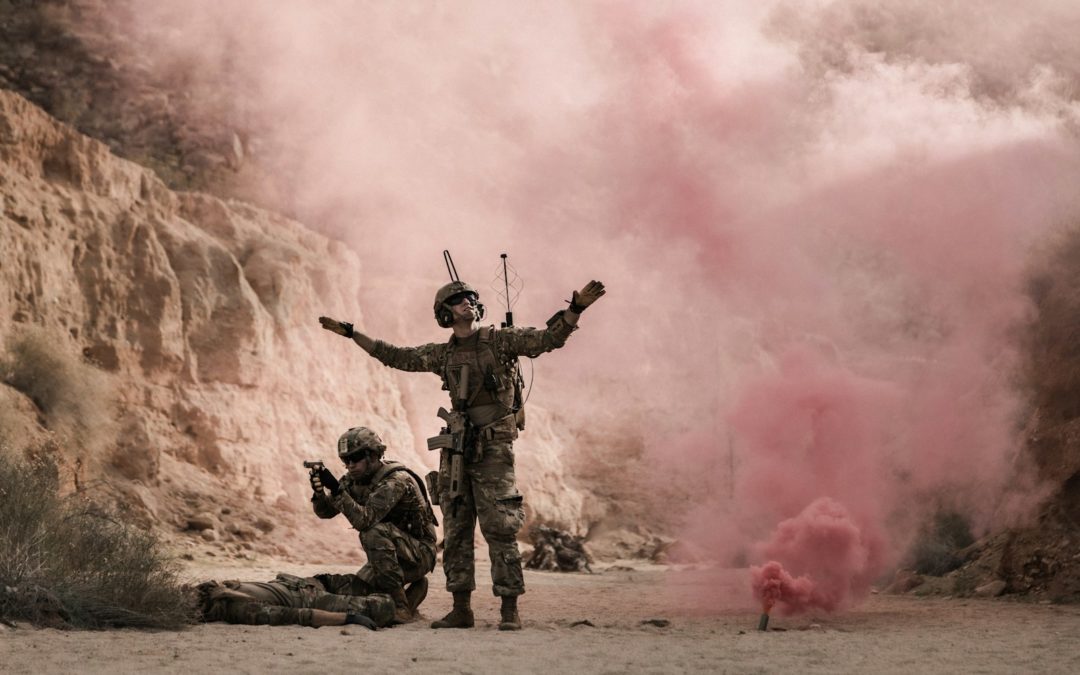
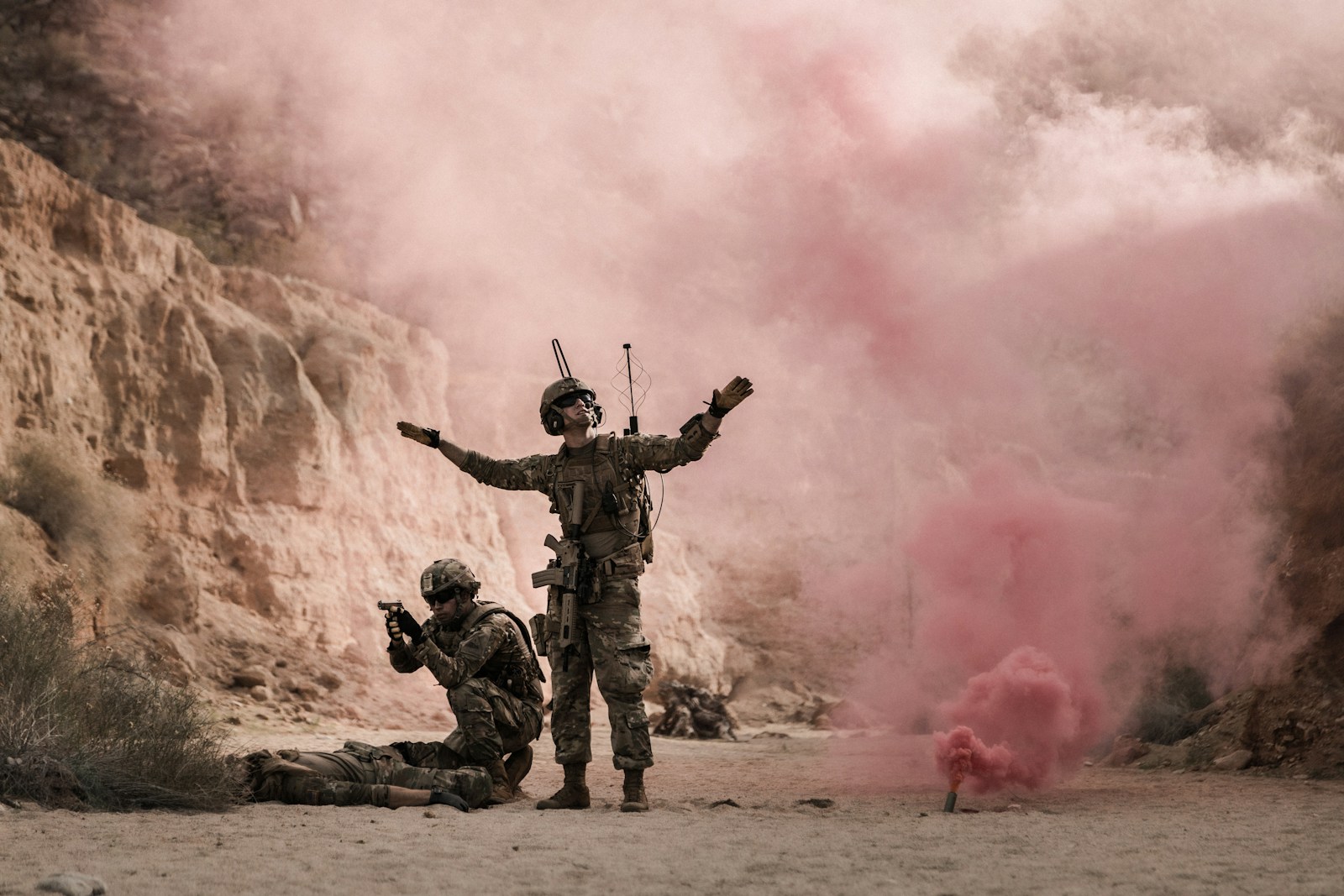
man in black and brown camouflage uniform holding red smoke

Statement on the Global Public Health Crisis of Military Aggression: In Defense of Health, Peace, and Democracy

News

Jan 19, 2026

The World Federation of Public Health Associations (WFPHA) expresses its profound alarm and unequivocal condemnation of the escalating pattern of unilateral military aggressions by the United States government.

These actions, ranging from the recent military operation in Venezuela and airstrikes in Nigeria, to the devastating attacks on critical infrastructure in Yemen and continued strikes in Syria following the fall of the Assad regime, constitute a clear and systematic violation of international law.

Military Escalation and the Threat to Global Sovereignty

The WFPHA is deeply concerned that these interventions serve as a dangerous precursor to further escalations against Iran, which we already saw last year. We denounce the unprecedented threats of annexation and intervention directed toward Cuba, Colombia, Mexico, and Greenland.

Such rhetoric and action under the “Don-roe Doctrine” undermine the foundational principles of sovereignty and the UN Charter.

The Impact of War as a Public Health Catastrophe

Military actions in any form pose severe risks to public health systems, disrupt essential health services, and cause preventable suffering among people in vulnerable situations. These are not merely political acts; they are public health catastrophes that threaten the safety and well-being of global populations.

Our Call to Action: Protecting Health and Human Rights

The WFPHA calls for the following immediate measures:

  • Immediate cessation of hostilities and the pursuit of diplomatic solutions.
  • Protection of sovereignty by respecting the territorial integrity of all nations.
  • Protection of civilian populations and critical health infrastructure.
  • Adherence to international law and human rights.
  • Safe passage for humanitarian assistance and medical supplies to conflict zones.
  • Constructive dialogue among all parties to resolve differences peacefully.

Prioritizing Global Security and Health Equity

We urge the international community and relevant bodies to prioritize diplomatic engagement and peaceful resolution over geopolitical interests.

Public health organizations worldwide stand ready to support efforts that protect health systems. We must not allow the normalization of aggression to dismantle the global security architecture that protects human life. The health and well-being of civilian populations must remain paramount in any resolution to this crisis.


US childhood vaccine schedule overhaul 2026

US childhood vaccine schedule overhaul 2026

sleeping baby

Protecting Our Future: Why the U.S. Childhood Vaccine Schedule Overhaul Risks Global Health

News

Jan 7, 2026

The World Federation of Public Health Associations (WFPHA) has issued a critical statement regarding the announced changes to the United States childhood immunization schedule. Our message is clear: Children’s health is not a policy experiment.

Childhood immunization schedules are among the most rigorously tested and monitored public health interventions in history. Built on decades of scientific evidence and comprehensive safety surveillance, these schedules have saved millions of lives. Altering them without a transparent, evidence-based justification puts child health and public trust at serious risk.

The Hidden Costs of Disrupting Proven Immunization Schedules

Vaccines do more than protect individuals; they safeguard entire communities. Disrupting established schedules can lead to delayed vaccinations, renewed outbreaks of preventable diseases, and avoidable hospitalizations. History shows that even modest declines in coverage can lead to rapid, severe consequences for the global population.

The Looming Equity Crisis

The proposed overhaul will not affect all children equally. Those from low-income families, rural areas, and racial or ethnic minority communities will bear the heaviest burden. In the U.S., vaccination rates already show disparities; for example, data have historically demonstrated that children living below the federal poverty level often have lower vaccination coverage rates for key vaccines than those at or above it.

Professor Raman Bedi, President-elect of the WFPHA and Emeritus Professor at King’s College London, warns:

“I am profoundly concerned that these changes will disproportionately and negatively impact the marginalized and vulnerable. When public health policy wavers, it is always those with the least who suffer the most.”

Global Implications and the Erosion of Trust

U.S. immunization policy exerts a profound influence worldwide. Decisions made domestically shape international debates and impact vaccine confidence far beyond U.S. borders. Misinformation is currently running rampant, and policy changes that appear politicized risk fundamentally undermining confidence in vaccine safety.

As Professor Michael Moore, Chair of the WFPHA International Immunization Policy Taskforce, emphasizes: “Undermining proven vaccine schedules is not innovation—it is gambling with children’s lives.”

A Call to Prioritize Scientific Integrity

The WFPHA urges U.S. decision-makers to keep children’s health and equity at the center of immunization policy.

We can do this with three actions:

  • Uphold Scientific Integrity: Policy must remain grounded in comprehensive safety surveillance.
  • Protect Public Trust: Transparent justification is required for any change to established medical protocols.
  • Focus on Equity: Ensure that policy changes do not widen existing health disparities.

The consequences of failure will be measured in preventable disease and shattered confidence; impacts that will fall most heavily on those already facing the most significant barriers to health. Once trust is weakened, restoration is painfully difficult and its children who pay the price.

Let’s prevent that.


Read the original call to action here.

Advancing Adult HPV Vaccination: From Evidence to Action

Advancing Adult HPV Vaccination: From Evidence to Action

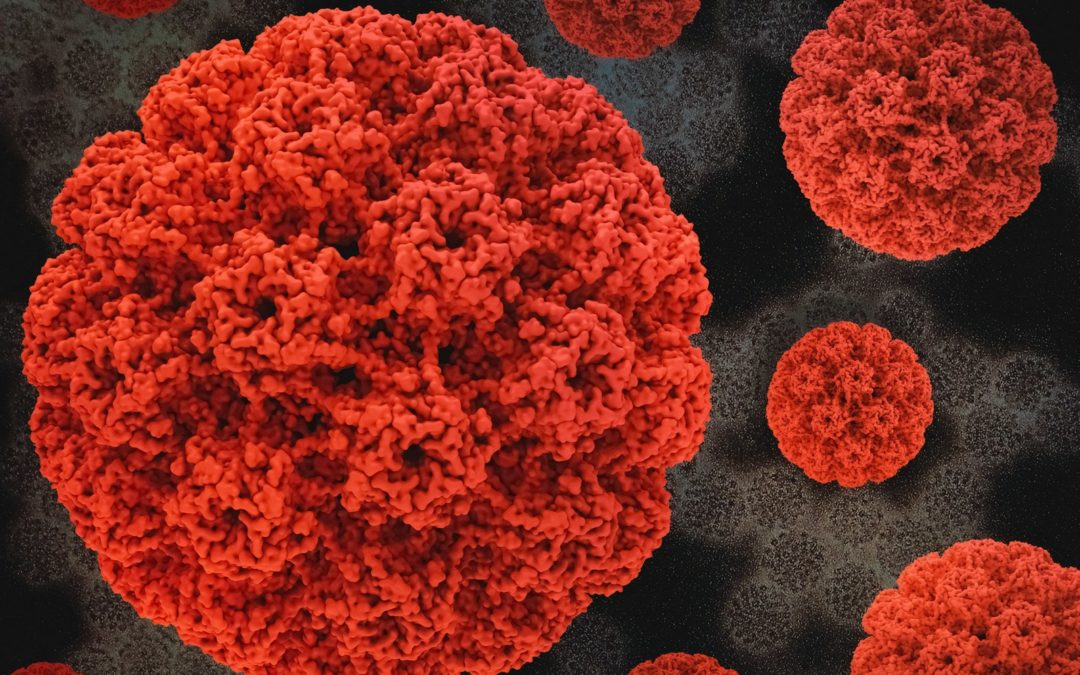
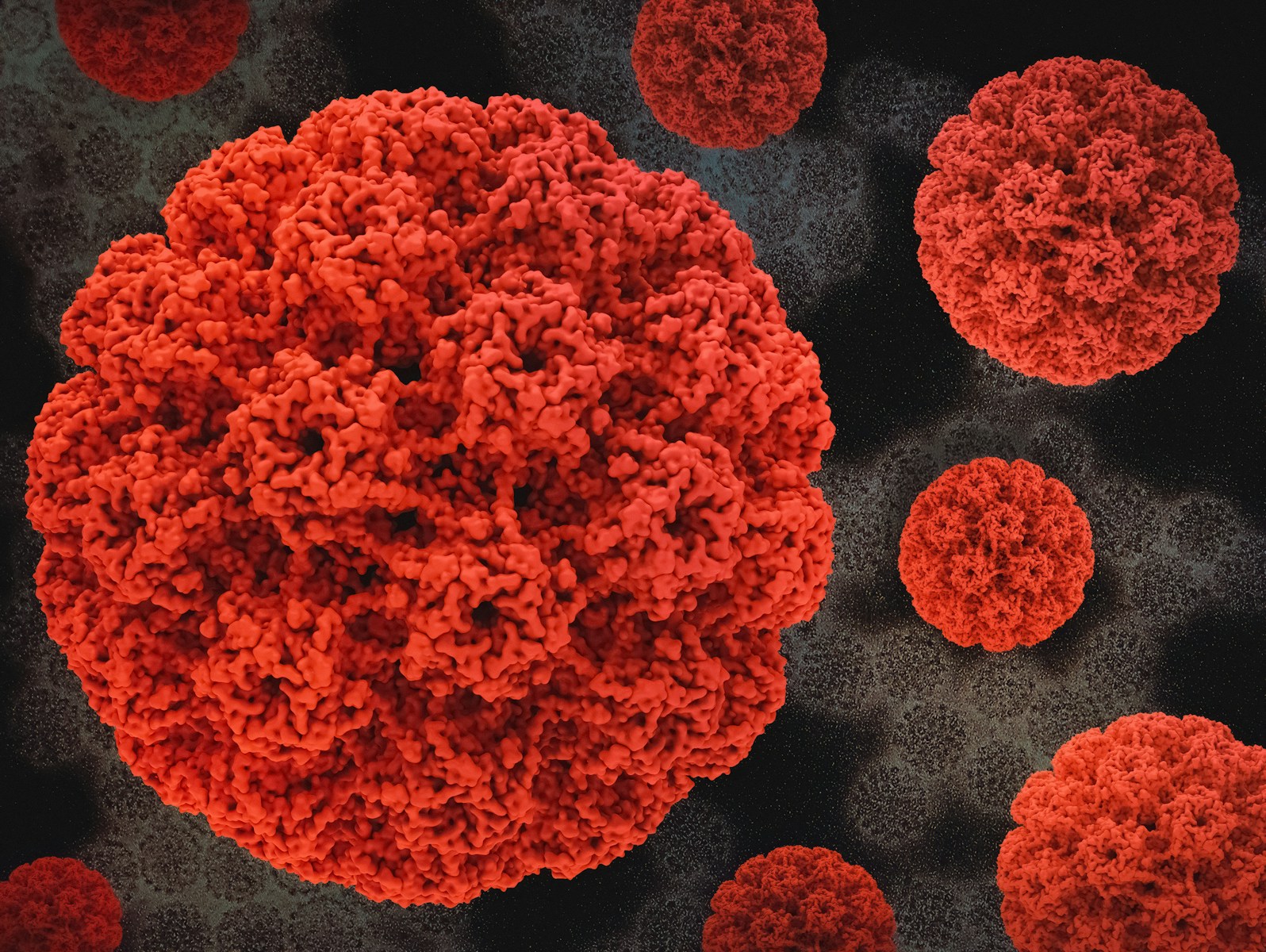
a close up of a red substance on a black background

Advancing Adult HPV Vaccination: From Evidence to Action

News

Dec 10, 2025

Human papillomavirus (HPV) is one of the most prevalent infections in the world, affecting up to 80% of individuals at some point in their lives. While the immune system clears most infections naturally, persistent high-risk HPV oncogenic genotypes can lead to serious health outcomes, including cervical, anal, vaginal, vulvar, penile, and oropharyngeal cancers. 

Even with highly effective vaccines authorized for adults and available in sufficient supply, vaccination rates among adults remain far too low. Expanding adult HPV vaccination offers a vital opportunity to reduce disease burden, strengthen long-term health outcomes, and accelerate progress toward broader cancer prevention goals.

Why Universal Vaccination Matters for Long-Term Cancer Prevention

Although early HPV prevention initiatives largely prioritized younger age groups, there is now broad recognition that universal HPV vaccination across adulthood is a crucial component of comprehensive disease prevention. Adults continue to face new exposure risks throughout their lives, and vaccination can protect them against HPV types they have not yet encountered. 

Importantly, natural immunity from previous infections does not offer complete protection against other high-risk genotypes, meaning adults with prior HPV exposure still gain meaningful benefit from vaccination. Emerging evidence also highlights positive outcomes when vaccination is delivered before or after cervical conization, reinforcing its value across different stages of adult care.

Barriers Limiting Adult Vaccine Uptake and Why They Must Be Overcome

Although clinical and economic advantages are well-established, adult vaccine uptake remains low due to:

  • Lack of awareness and misconceptions about vaccine efficacy
  • Limited access and insufficient provider recommendations
  • Policy and funding gaps within national immunization programs

Many adults were not vaccinated during adolescence due to eligibility criteria, vaccine availability, or limitations in the healthcare system. Expanding eligibility can close this gap. 

Policymakers are key to establishing sustainable vaccination programs by embedding HPV vaccination for medically or socially vulnerable adults into routine healthcare and ensuring adequate funding and equitable access. Adult programs should not compromise coverage in younger populations. Cultural and linguistic sensitivity must also be part of these strategies to support trust and acceptance.

Accelerating Progress Toward WHO Elimination Goals

WHO has set ambitious goals for cervical cancer elimination, prioritizing adolescent girls as the primary target group, but extending vaccination to boys and adults whenever feasible. National programs should move forward using emerging evidence and practical implementation models. 

Strengthened vaccination systems can help reduce HPV-related cancers, improve health equity, and support progress toward global elimination.

Strengthening Policy and Practice for Adult HPV Vaccination

This call to action emphasizes the value of adult HPV vaccination from public health and economic perspectives. It highlights the global burden of HPV-related diseases and successful policy models from multiple countries. 

Key recommendations include integrating adult vaccination into routine care, expanding national immunization guidelines, strengthening awareness efforts, and adopting universal and inclusive approaches that span ages, genders, and geographies.

Risk Stratification Isn’t Enough, Adults Still Need Protection

Risk-based approaches are limited due to the widespread nature of HPV and varied exposure patterns. Several key considerations support universal adult vaccination:

Adults Remain at Ongoing Risk

Individuals continue to face new exposure risk throughout adulthood.

Men Are Disproportionately Underserved

Without access to established screening programs and often acquiring infections later, adult males represent a highly vulnerable group.

Ending Transmission Requires Addressing the Viral Reservoir

To eliminate HPV-related cancers, transmission must be stopped at its source, requiring immunization of both women and men.

Vaccination Works Even After Exposure

Adults previously exposed to certain HPV types still benefit from protection against other genotypes.

Public Health Outcomes Are Significant

Adult vaccination provides direct protection while reducing transmission and decreasing overall disease burden.

Current Age-Restricted Funding Leaves People Behind

Many national funding systems exclude adults who are still at risk.

Vaccination Must Be Easy to Access

Success depends on convenience, such as pharmacies, workplaces, and community hubs serving as vaccination sites.

A Consensus on Adult Vaccination Is Needed

Clear and unified policy guidance is essential to strengthen recommendations and drive adoption.

Low- and Middle-Income Countries Must Help Shape Global Policy

These regions carry the highest disease burden and must be active contributors to ensure global equity.

Faster Elimination Is Achievable

Countries like Sweden demonstrate that vaccinating adults can accelerate the elimination of HPV-related cancers.

Clear, Inclusive Communication Matters

Language such as “universal vaccination” promotes gender equity and reduces stigma.

A Global Call to Action for Policymakers and Health Leaders

Governments, global health organizations, and national public health associations are urged to expand HPV vaccination programs, particularly for adults and males, mobilize resources, and embed evidence-based strategies into national immunization plans. 

By committing to these priorities today, countries can accelerate cancer prevention and move closer to eliminating HPV-related disease.

Moving Forward Toward Global Health Equity

Expanding HPV vaccination to adults is a critical, evidence-based strategy to reduce HPV-related disease and advance global cancer prevention. Universal adult vaccination delivers individual and population-level benefits, especially in regions with limited access to screening and care. Progress requires collaboration among policymakers and health leaders to address gaps in access, awareness, and coverage. 

Integration into routine healthcare, stigma-free and inclusive communication, and a focus on vulnerable populations, such as individuals living with conditions like HIV, are essential. Taking timely action will drive progress toward eliminating HPV-related cancers and building a more equitable global health future.

Read our original call to action here.

Watch our video on this HPV call to action here.

Leer la llamada en español.