
Oral Health in Humanitarian Crises: A Missing Link in Refugee Health and Peacebuilding
News
Mar 11, 2026
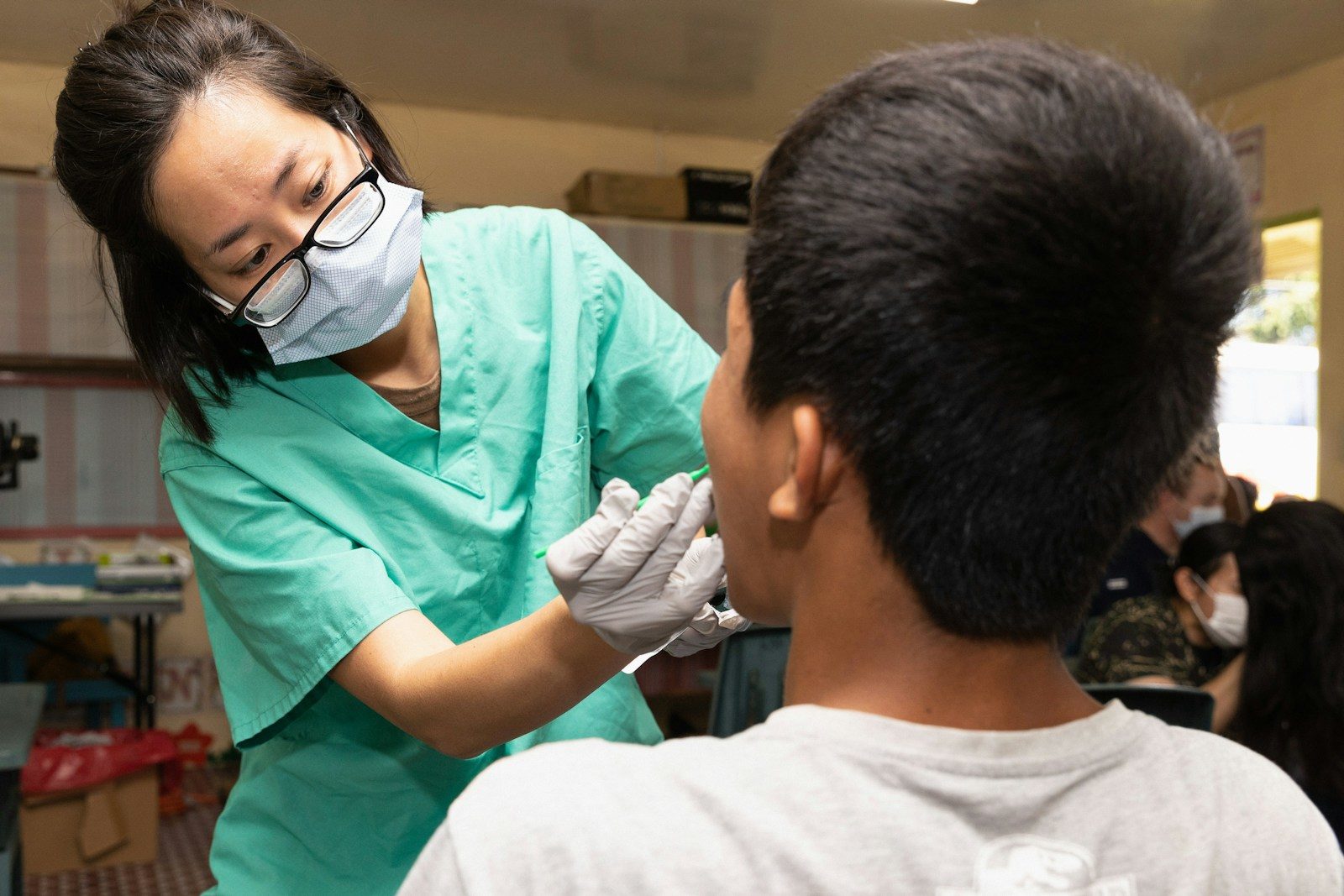
Oral health is a recognized component of overall health. Yet in humanitarian crises, it remains largely absent from emergency response frameworks. In contexts of conflict and forced displacement, oral healthcare infrastructure is often damaged, disrupted, or inaccessible.
Untreated oral disease is associated with cardiovascular conditions, diabetes complications, and adverse pregnancy outcomes, conditions already more prevalent in crisis-affected populations. Despite this, refugee dental care rarely appears in Emergency Health Minimum Service Packages.
As of 2024, more than 122 million people worldwide were forcibly displaced, including 43.7 million refugees. The burden of untreated oral disease among these populations is substantial and largely unaddressed.
The Global Burden of Oral Disease Among Refugees
Displaced populations are concentrated in:
- Africa: Sudan, South Sudan, Democratic Republic of the Congo, Somalia, Ethiopia, Nigeria
- Middle East: Syria, Yemen, Iraq, Palestine
- Europe: Ukraine
- Latin America: Venezuela, Colombia
- Asia: Afghanistan, Myanmar, Cambodia
Evidence shows consistently high levels of unmet oral health needs:
- In Canada, 85% of adult refugees have untreated dental decay, compared with 20% in the general population.
- In Massachusetts, refugee children have twice the rate of untreated dental caries as the national average.
- A global scoping review reported caries prevalence among refugees ranging from 5% to 99%, and gingivitis from 6% to 100%, reflecting wide but consistently high unmet need.
These figures reveal a persistent gap in humanitarian healthcare planning: oral health is treated as optional rather than essential.
Why Oral Health Is Excluded From Humanitarian Health Packages
Even in stable health systems, oral health is often separated from general healthcare. In crisis settings, where resources are stretched, and life-threatening conditions take precedence, this marginalization deepens.
Humanitarian responses prioritize:
- Food
- Shelter
- Water and sanitation
- Essential medical care
Oral health rarely features in Emergency Health Minimum Service Packages. A recent content analysis found little to no integration of oral health within refugee health policy frameworks.
Three factors contribute to this exclusion:
1. The “Non-Life-Saving” Misconception
Oral health is frequently categorized as non-essential. Yet severe dental infections can progress to sepsis, and unmanaged pain disrupts eating, sleeping, and daily functioning.
2. The Infrastructure Myth
Dental care is perceived as requiring specialist equipment and facilities. In reality, many urgent needs, including pain management, infection control, and simple extractions, can be addressed with basic equipment and trained health workers.
3. The Data Gap
Oral health indicators are rarely included in rapid health assessments. Without data on pain prevalence, untreated infection, or functional impairment, the burden remains invisible in planning and resource allocation.
The exclusion reflects how humanitarian systems define and prioritize health interventions, not the absence of need.
Health System Consequences in Conflict Settings
The omission of oral health has measurable consequences and aligns directly with the Global Public Health Week 2026 theme: “Peace for Health, Health for Peace.”
Emergency departments frequently see patients presenting with oral pain but lack the capacity to provide definitive treatment.
In Gaza by mid-2024, only 60 of approximately 1,500 licensed dentists were able to provide care, illustrating the collapse of oral health service capacity during the prolonged conflict.
Untreated oral disease restricts:
- Food intake
- Communication
- Social participation
In conflict-affected settings, social determinants such as housing, food security, and sanitation already heighten health risks. When treatable conditions remain unaddressed, trust in health systems declines.
Oral health influences nutrition, psychological well-being, and economic participation. Functional impairment caused by oral disease can slow community recovery and undermine longer-term peacebuilding efforts.
Oral health, dignity, and peace are interconnected.
Evidence That Integration Is Feasible
Multiple programs demonstrate that integrating oral health into humanitarian responses is feasible and effective.
The Refugee Crisis Foundation (RCF) operates in Cox’s Bazar, Bangladesh, home to nearly one million Rohingya refugees. RCF provides:
- Fixed and mobile dental services
- School-based prevention programmes
- Training for local health workers to manage oral emergencies
RCF also supports initiatives in Gaza and on the Greek island of Lesbos.
Comparable models exist elsewhere:
- In Brazil, NGO-public health partnerships provide fluoride varnish and sealants to Venezuelan and Haitian refugees.
- In Bangladesh, culturally adapted oral health education programs have improved hygiene practices among Rohingya communities.
- In Ukraine and New Zealand, oral health has been incorporated into emergency response and resettlement frameworks.
These examples demonstrate that success depends less on specialist infrastructure and more on integration with primary care, education, and community health platforms.
Practical Actions to Integrate Oral Health Into Humanitarian Response
To ensure refugee dental care is treated as essential healthcare, several actions are needed:
1. Include Oral Health in Emergency Health Minimum Service Packages
Baseline services should include:
- Pain relief
- Infection control
- Referral pathways
- Distribution of oral hygiene supplies
Standard-setting bodies such as the Sphere Association and UNHCR should incorporate this into their policy guidance.
2. Expand the Role of Community Health Workers
Task-sharing can extend access where dentists are unavailable. Training should include recognizing oral emergencies, performing basic interventions, and outlining referral pathways.
3. Collect Oral Health Data in Rapid Assessments
Indicators related to pain prevalence, untreated infection, and functional impairment should inform planning and funding decisions.
4. Integrate With Existing Health Platforms
Oral health can be embedded within:
- Maternal and child health services
- Non-communicable disease programs
- Primary healthcare systems
5. Reframe the Narrative
Urgent oral conditions must be recognised as essential medical needs rather than elective services.
Conclusion: Oral Health Is Essential in Humanitarian Crises
Oral health remains underrepresented in humanitarian policy and practice. Yet evidence shows that low-cost interventions, including daily oral hygiene support, access to fluoride, and emergency pain management, are feasible and effective.
Integrating oral health into humanitarian health frameworks aligns with commitments to:
- Equity
- Universal health coverage
- Health system resilience
- Peacebuilding
Oral health should be a standard component of humanitarian health responses, not an afterthought.
Written by the Chair of the WFPHA Oral Health Working Group, Abiola Adeniyi, and Working Group member Aya El Tahir