
Advancing Adult HPV Vaccination: From Evidence to Action
News
Dec 10, 2025
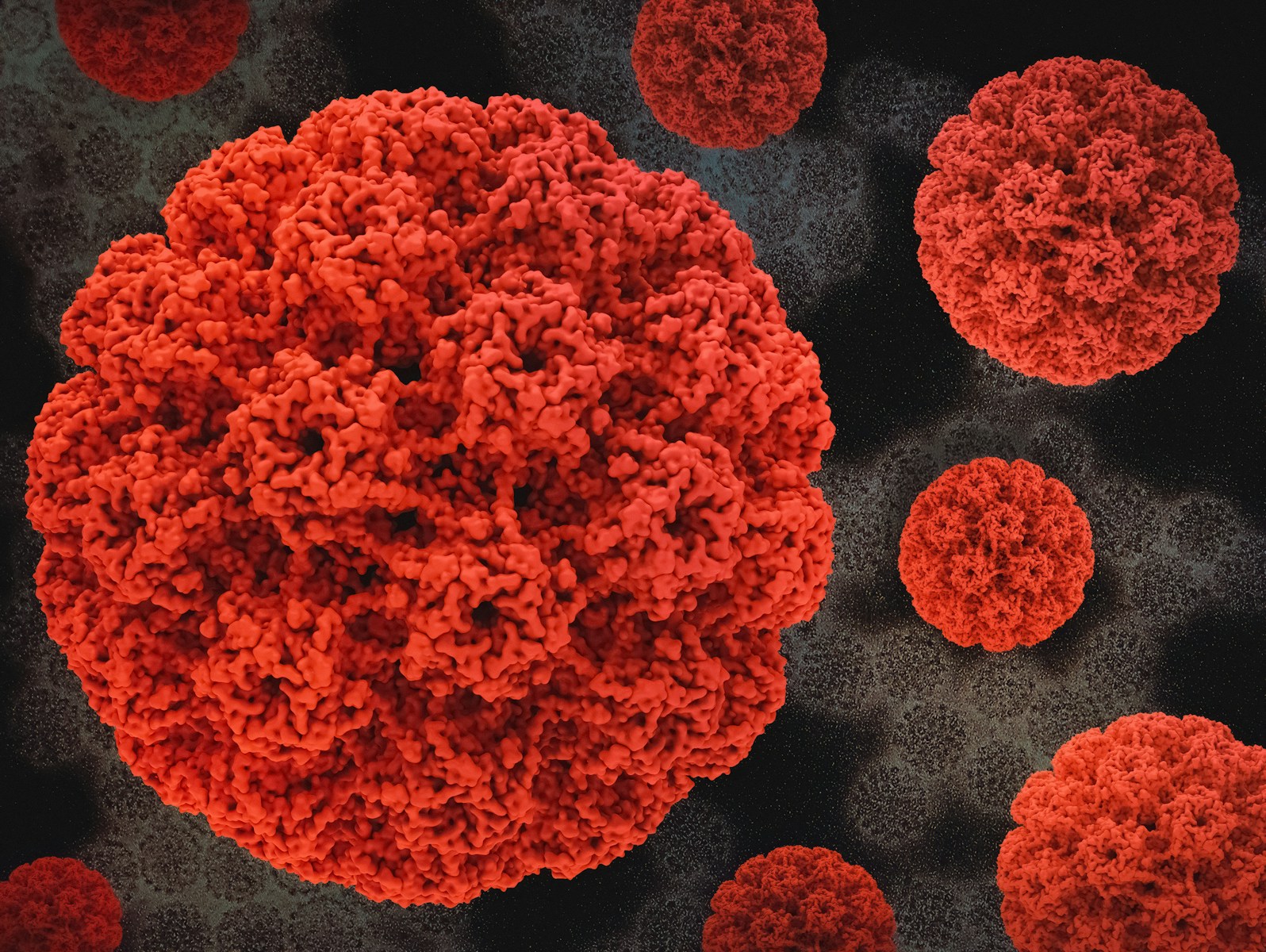
Human papillomavirus (HPV) is one of the most prevalent infections in the world, affecting up to 80% of individuals at some point in their lives. While the immune system clears most infections naturally, persistent high-risk HPV oncogenic genotypes can lead to serious health outcomes, including cervical, anal, vaginal, vulvar, penile, and oropharyngeal cancers.
Even with highly effective vaccines authorized for adults and available in sufficient supply, vaccination rates among adults remain far too low. Expanding adult HPV vaccination offers a vital opportunity to reduce disease burden, strengthen long-term health outcomes, and accelerate progress toward broader cancer prevention goals.
Why Universal Vaccination Matters for Long-Term Cancer Prevention
Although early HPV prevention initiatives largely prioritized younger age groups, there is now broad recognition that universal HPV vaccination across adulthood is a crucial component of comprehensive disease prevention. Adults continue to face new exposure risks throughout their lives, and vaccination can protect them against HPV types they have not yet encountered.
Importantly, natural immunity from previous infections does not offer complete protection against other high-risk genotypes, meaning adults with prior HPV exposure still gain meaningful benefit from vaccination. Emerging evidence also highlights positive outcomes when vaccination is delivered before or after cervical conization, reinforcing its value across different stages of adult care.
Barriers Limiting Adult Vaccine Uptake and Why They Must Be Overcome
Although clinical and economic advantages are well-established, adult vaccine uptake remains low due to:
- Lack of awareness and misconceptions about vaccine efficacy
- Limited access and insufficient provider recommendations
- Policy and funding gaps within national immunization programs
Many adults were not vaccinated during adolescence due to eligibility criteria, vaccine availability, or limitations in the healthcare system. Expanding eligibility can close this gap.
Policymakers are key to establishing sustainable vaccination programs by embedding HPV vaccination for medically or socially vulnerable adults into routine healthcare and ensuring adequate funding and equitable access. Adult programs should not compromise coverage in younger populations. Cultural and linguistic sensitivity must also be part of these strategies to support trust and acceptance.
Accelerating Progress Toward WHO Elimination Goals
WHO has set ambitious goals for cervical cancer elimination, prioritizing adolescent girls as the primary target group, but extending vaccination to boys and adults whenever feasible. National programs should move forward using emerging evidence and practical implementation models.
Strengthened vaccination systems can help reduce HPV-related cancers, improve health equity, and support progress toward global elimination.
Strengthening Policy and Practice for Adult HPV Vaccination
This call to action emphasizes the value of adult HPV vaccination from public health and economic perspectives. It highlights the global burden of HPV-related diseases and successful policy models from multiple countries.
Key recommendations include integrating adult vaccination into routine care, expanding national immunization guidelines, strengthening awareness efforts, and adopting universal and inclusive approaches that span ages, genders, and geographies.
Risk Stratification Isn’t Enough, Adults Still Need Protection
Risk-based approaches are limited due to the widespread nature of HPV and varied exposure patterns. Several key considerations support universal adult vaccination:
Adults Remain at Ongoing Risk
Individuals continue to face new exposure risk throughout adulthood.
Men Are Disproportionately Underserved
Without access to established screening programs and often acquiring infections later, adult males represent a highly vulnerable group.
Ending Transmission Requires Addressing the Viral Reservoir
To eliminate HPV-related cancers, transmission must be stopped at its source, requiring immunization of both women and men.
Vaccination Works Even After Exposure
Adults previously exposed to certain HPV types still benefit from protection against other genotypes.
Public Health Outcomes Are Significant
Adult vaccination provides direct protection while reducing transmission and decreasing overall disease burden.
Current Age-Restricted Funding Leaves People Behind
Many national funding systems exclude adults who are still at risk.
Vaccination Must Be Easy to Access
Success depends on convenience, such as pharmacies, workplaces, and community hubs serving as vaccination sites.
A Consensus on Adult Vaccination Is Needed
Clear and unified policy guidance is essential to strengthen recommendations and drive adoption.
Low- and Middle-Income Countries Must Help Shape Global Policy
These regions carry the highest disease burden and must be active contributors to ensure global equity.
Faster Elimination Is Achievable
Countries like Sweden demonstrate that vaccinating adults can accelerate the elimination of HPV-related cancers.
Clear, Inclusive Communication Matters
Language such as “universal vaccination” promotes gender equity and reduces stigma.
A Global Call to Action for Policymakers and Health Leaders
Governments, global health organizations, and national public health associations are urged to expand HPV vaccination programs, particularly for adults and males, mobilize resources, and embed evidence-based strategies into national immunization plans.
By committing to these priorities today, countries can accelerate cancer prevention and move closer to eliminating HPV-related disease.
Moving Forward Toward Global Health Equity
Expanding HPV vaccination to adults is a critical, evidence-based strategy to reduce HPV-related disease and advance global cancer prevention. Universal adult vaccination delivers individual and population-level benefits, especially in regions with limited access to screening and care. Progress requires collaboration among policymakers and health leaders to address gaps in access, awareness, and coverage.
Integration into routine healthcare, stigma-free and inclusive communication, and a focus on vulnerable populations, such as individuals living with conditions like HIV, are essential. Taking timely action will drive progress toward eliminating HPV-related cancers and building a more equitable global health future.