
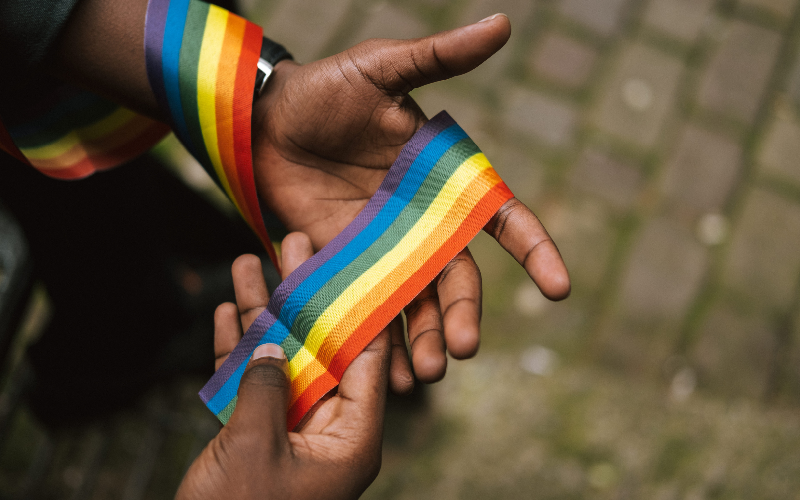
Public Health Impact of Uganda’s Anti-Homosexuality Act: WFPHA Stands with the Ugandan LGBT Community
News
Apr 25, 2023
The World Federation of Public Health Associations (WFPHA) stands in solidarity with the Ugandan LGBT community and denounces Uganda’s Anti-Homosexuality Act (2023). The legislation raises serious concerns for public health, human rights, and access to healthcare, while threatening decades of progress in HIV prevention and control.
The health of populations depends on inclusive societies, equitable access to services, and the protection of human rights. Laws that increase stigma, discrimination, and barriers to healthcare can have consequences that extend far beyond the individuals directly affected.
Uganda’s Anti-Homosexuality Act (2023)
On 21 March 2023, the Ugandan Parliament passed the Anti-Homosexuality Act (2023). By criminalizing same-sex conduct, the Act criminalizes lesbian, gay, bisexual, and transgender (LGBT) Ugandans, the provision of services to LGBT Ugandans, and the dissemination of information about LGBT communities.
The Act also requires Ugandans to report individuals suspected of being LGBT and prohibits the sheltering of LGBT persons. It further provides for the death penalty in cases defined as “aggravated homosexuality.”
At the time of the original WFPHA statement, President Yoweri Museveni indicated that he would assent to the Act following amendments related to what was described as “rehabilitation.”
Why the Act Is a Public Health Concern
Beyond its legal implications, the Act has significant consequences for public health.
By undermining access to healthcare services among already vulnerable populations, the legislation threatens Uganda’s longstanding achievements in HIV prevention and control. Public health evidence consistently demonstrates that stigma, discrimination, and criminalization create barriers to healthcare access, testing, treatment, prevention services, and health-seeking behavior.
The World Health Organization and other international health bodies have long recognized that discrimination can negatively affect population health outcomes and contribute to widening health inequities.
Evidence on the Health Effects of Anti-LGBT Legal Environments
LGBT persons have existed throughout human history and across cultures. Natural variations in sexual orientation and gender identity exist regardless of enacted laws and policies.
Research cited in the original statement demonstrates that structural anti-LGBT legal environments are associated with:
Increased Hostility and Violence
Studies have shown that anti-LGBT legal climates can contribute to increased hostility, harassment, and violence directed toward LGBT individuals.
Poorer Mental Health Outcomes
Research has linked discriminatory legal environments to:
- Higher levels of psychological distress
- Reduced life satisfaction and well-being
- Increased risk of psychiatric disorders
- Greater risk of suicidal ideation
These impacts are not limited to those directly targeted by legislation. Family members, friends, and broader communities can also experience psychological harm resulting from hostile public discourse and discrimination.
Human Rights Obligations and International Law
In 1995, Uganda acceded to the United Nations International Covenant on Civil and Political Rights (ICCPR).
For decades, international human rights mechanisms have interpreted the Covenant as providing protections against discrimination based on sexual orientation, gender identity or expression, and sex characteristics.
The original WFPHA statement noted that United Nations legal experts stated that imposing the death penalty under the Act would constitute an arbitrary deprivation of life and would be incompatible with Article 6 of the ICCPR.
The statement further emphasized that obligations under international law are not superseded by domestic legislation or constitutional interpretations.
Developments Since the Original 2023 Statement
Since the publication of the WFPHA statement, Uganda’s Anti-Homosexuality Act has remained the subject of legal and international scrutiny.
In April 2024, Uganda’s Constitutional Court upheld most provisions of the Anti-Homosexuality Act while striking down several sections, including provisions related to mandatory reporting and certain restrictions that were found to conflict with constitutional protections. However, the Court left the core provisions of the legislation in place, including criminal penalties for same-sex conduct.
Human rights organizations and public health advocates have continued to express concern that the law contributes to discrimination, barriers to healthcare access, and increased vulnerability among LGBT individuals. Reports published since the law came into force have documented ongoing concerns regarding harassment, evictions, loss of employment, denial of healthcare, and other forms of discrimination.
As of 2026, the Act remains in force and continues to generate concern among international public health and human rights organizations. Recent reports indicate that arrests and legal actions under the legislation continue to raise concerns about the health, safety, and well-being of LGBT individuals in Uganda.
The WFPHA’s Call for an Inclusive and Healthy Society
The WFPHA calls on the Ugandan President, Parliament, and Government to foster an inclusive and safe environment for all citizens while safeguarding the human rights of every individual, irrespective of sexual orientation or gender identity.
Protecting public health requires protecting human dignity. Policies that promote inclusion, reduce stigma, and ensure equitable access to healthcare are fundamental to improving population health and advancing health equity.
Co-Signer
The World Federation of Public Health Associations gratefully acknowledges the support of:
- European Public Health Association