
End the Genocide of the Yanomami People!
News
Dec 14, 2021
The Genocide of the Yanomami People is unfolding in real time. Indigenous communities in the Yanomami Indigenous Territory (TIY), located on the Brazil–Venezuela border, are facing systemic violence driven by illegal mining, environmental destruction, infectious disease, and the deliberate omission of state protection.
The World Federation of Public Health Associations (WFPHA), the Brazilian Association of Collective Health (Abrasco), and the Brazilian Association of Anthropology (ABA) jointly denounce the Brazilian Federal Government’s inaction and collusion in the escalating crisis affecting the Yanomami and Ye’kwana peoples.
What Is Happening in the Yanomami Indigenous Territory?
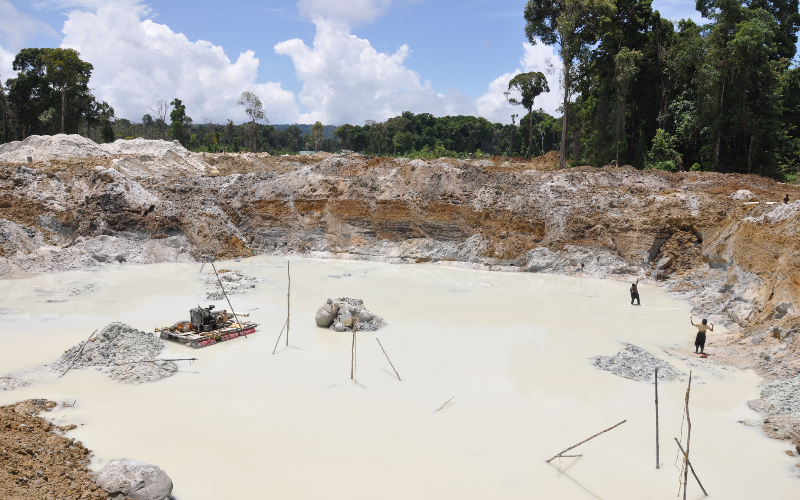
More than 20,000 illegal gold miners currently occupy and degrade Yanomami territory. Their presence has led to:
-
Destruction of forests, rivers, and food systems
-
Mercury contamination of water and bodies
-
The collapse of community life and traditional livelihoods
-
The spread of malaria, COVID-19, and other infectious diseases
Despite repeated warnings, the federal government failed to prevent mining activities, even during the COVID-19 pandemic, when miners became the primary vectors of disease transmission into isolated communities.
Why This Constitutes the Genocide of the Yanomami People
Genocide is not limited to mass killings. It includes the systematic destruction of the conditions necessary for life.
In the case of the Yanomami people, this destruction is evident through:
-
Forced exposure to lethal diseases
-
Environmental poisoning via mercury contamination
-
Dismantling of primary health care systems
-
Failure to remove known aggressors from Indigenous land
These conditions have been created and sustained through intentional state inaction, despite decades of evidence and legal obligations.
A History of Repeated Violence and Preventable Deaths
Infrastructure Projects and Epidemics (1970s)
During the construction of the Perimetral Norte (BR-210) highway, infectious diseases killed 22% to 50% of the Yanomami population in affected villages. These deaths were a direct consequence of imposed “development” without protection.
Gold Mining Invasions (1987–1990)
The invasion of miners triggered malaria epidemics and other diseases, killing at least 15% of the Yanomami population. The crisis was contained only after international pressure compelled the government to remove miners and implement an emergency health plan.
The Return of Illegal Mining and Policy Rollback
After nearly two decades of relative control, the deactivation of Funai Protection Bases and reduced territorial monitoring in the late 2000s enabled mining to surge again.
Yanomami and Ye’kwana organizations, including the Hutukara Yanomami Association and the Wanasseduume Ye’kwana Association, have repeatedly reported invasions, violence, and environmental degradation.
Mercury Contamination and Long-Term Health Damage
A 2014 study in the Paapiú and Waikás regions revealed high mercury exposure, particularly among:
-
Children
-
Women of reproductive age
At that time, approximately 5,000 miners were present. Today, that number has increased nearly fivefold, dramatically expanding contamination zones and health risks.
COVID-19, Malaria, and the Collapse of Indigenous Health Care
Illegal mining accelerated the spread of COVID-19 in the most environmentally degraded regions, Waikás, Kayanau, and Aracaçá, while malaria cases surged.
Between 2019 and 2021, the dismantling of Indigenous primary health care severely weakened the Yanomami Special Indigenous Health District (DSEI-Y), leaving communities without adequate medical response during overlapping epidemics.
Legal Action and Federal Government Omission
In response to COVID-19’s spread into Indigenous territories, the Articulation of the Indigenous Peoples of Brazil (APIB) filed ADPF No. 709 with the Federal Supreme Court (STF), which condemned the federal government’s omission.
Analyses presented by Abrasco’s Indigenous Health Working Group confirmed a social and health tragedy caused by the state’s failure to prevent and punish illegal mining.
When ordered to report on nutrition, water access, and health services following the deaths of Yanomami children, the Attorney General’s Office issued an evasive response deflecting responsibility away from federal authorities and onto the victims themselves.
Why Immediate Action Is Non-Negotiable
The Genocide of the Yanomami People is not inevitable. It is politically produced.
The primary drivers of this humanitarian catastrophe—illegal miners—remain in place. Without their removal, no health intervention can succeed.
What Must Happen Now
The WFPHA, Abrasco, and ABA call on the global community to support the urgent demands of the Yanomami and Ye’kwana peoples:
Immediate Measures
-
Full removal of illegal miners from Yanomami territory
-
Protection of land and waterways from further degradation
Structural Response
-
Implementation of a comprehensive Emergency Intersectoral Plan for:
-
Health care
-
Territorial control
-
Environmental protection
-
This plan must include Indigenous organizations, federal, state, and local governments, judicial bodies, and academic institutions.
Ending the Genocide of the Yanomami People Is a Global Responsibility
What is happening in the Yanomami Indigenous Territory is one of the gravest public health and human rights crises in the world today. Silence and delay are forms of complicity.
Protecting Yanomami life means protecting land, health systems, and Indigenous sovereignty—now, not later.
The genocide must end.